Bali Villa Specialists Arovabuild Complete Guide to Interior Design Solutions – arovabuild
Bali Villa Specialists – Designing a villa in Bali requires thoughtful planning and contextual understanding. Moreover, each design decision must respond to climate, culture, and user needs. Therefore, a professional approach ensures both aesthetics and long-term functionality.
Arovabuild positions itself as a Bali villa specialist with a focus on practical design solutions. In addition, the team prioritizes usability, durability, and spatial harmony. As a result, villa interiors can support both private living and rental investment goals.
Meanwhile, jslbuild operates from Surabaya, East Java, and contributes as a professional solution provider. Furthermore, their involvement focuses on technical coordination and implementation support. Consequently, projects benefit from structured workflows and measurable outcomes.
Chat WhatsApp 1
Chat WhatsApp 2
Understanding Interior Design for Bali Villas
Bali Villa Specialists – Interior design for Bali villas requires more than visual appeal. Instead, it demands alignment with tropical conditions and lifestyle patterns. Therefore, designers must balance openness, comfort, and material performance.
Additionally, villas often serve dual purposes as residences and rental properties. Because of this, flexibility becomes a key design factor. As a result, interiors must adapt to different user expectations.
Climate Responsive Interior Planning
Bali’s tropical climate directly influences interior decisions. Therefore, designers must consider humidity, airflow, and sunlight exposure. Moreover, improper planning can lead to discomfort and maintenance issues.
Natural ventilation plays a central role in design strategy. Consequently, cross ventilation improves air quality and reduces heat buildup. In addition, large openings allow consistent airflow throughout the space.
Material selection also responds to climate conditions. For example, moisture resistant finishes extend durability. Thus, interiors remain functional over time.
Cultural Context in Villa Interiors
Bali Villa Specialists – Bali offers a strong cultural identity that influences design direction. Therefore, interior concepts often integrate local elements. However, designers must apply these elements carefully.
Instead of copying traditional styles, professionals reinterpret them. As a result, interiors feel authentic without becoming excessive. Furthermore, balanced integration maintains modern usability.
READ ALSO : http://arovabuild
Interior Design Process by Bali Villa Specialists
A structured process ensures consistent project outcomes. Therefore, villa specialists follow clear stages from concept to execution. Moreover, each phase contributes to overall project success.
Arovabuild applies a systematic workflow to manage design complexity. Meanwhile, jslbuild supports implementation through technical coordination. Consequently, projects progress with better control and clarity.
Initial Consultation and Needs Analysis
The process begins with understanding client requirements. Therefore, designers gather information about lifestyle, preferences, and goals. Additionally, site conditions are evaluated early.
This phase defines the project direction. As a result, all stakeholders share a common understanding. Furthermore, clear communication prevents misalignment later.
Concept Development and Space Planning
Bali Villa Specialists – Designers translate ideas into spatial concepts. Therefore, zoning and layout planning become key priorities. Moreover, circulation paths must remain efficient.
Each space receives a defined function. Consequently, usability improves across the villa. In addition, flexible layouts allow future adjustments.
Material and Finishing Selection
Material selection influences durability and aesthetics. Therefore, designers evaluate performance and maintenance requirements. Additionally, visual consistency must be maintained.
Natural materials often dominate villa interiors. However, designers combine them with modern finishes. As a result, interiors achieve balance between tradition and contemporary design.
Implementation and Project Coordination
Bali Villa Specialists – Execution requires strong coordination among all parties. Therefore, designers collaborate with contractors and craftsmen. Moreover, timelines must be monitored closely.
Jslbuild contributes to implementation from a technical perspective. Consequently, construction aligns with design intent. In addition, quality control ensures accurate results.
Space Planning Strategies for Bali Villas
Effective space planning improves comfort and functionality. Therefore, designers must consider both layout and user behavior. Moreover, spatial efficiency enhances overall experience.
Zoning Public and Private Areas
Zoning separates different functions within the villa. Therefore, public spaces remain accessible and open. Meanwhile, private areas provide privacy and comfort.
This separation improves user experience. As a result, occupants feel more organized within the space. Furthermore, zoning supports rental usability.
Indoor Outdoor Integration
Bali Villa Specialists – Bali villas often feature strong indoor outdoor connections. Therefore, designers create seamless transitions between spaces. Moreover, this approach enhances natural interaction.
Sliding doors and open layouts support this concept. Consequently, spaces feel larger and more connected. In addition, outdoor areas become functional extensions.
Lighting Design for Villa Interiors
Lighting shapes mood and usability within a space. Therefore, designers combine natural and artificial lighting. Moreover, proper lighting enhances spatial perception.
Natural Lighting Optimization
Bali Villa Specialists – Natural light improves energy efficiency and comfort. Therefore, designers maximize daylight access. Additionally, orientation influences light quality.
Large openings allow consistent illumination. As a result, spaces feel brighter and more inviting. Furthermore, reduced artificial lighting lowers energy consumption.
Artificial Lighting Layers
Artificial lighting complements natural sources. Therefore, designers use layered lighting strategies. Moreover, each layer serves a specific function.
Ambient lighting provides general illumination. Meanwhile, task lighting supports specific activities. Additionally, accent lighting highlights design features.
Material Selection for Tropical Durability
Material choice determines long-term performance. Therefore, designers prioritize durability and resistance. Moreover, tropical environments require careful selection.
Moisture Resistant Materials
Humidity affects many interior materials. Therefore, moisture resistant options reduce damage risks. Additionally, proper finishes extend lifespan.
Wood treatments improve resistance to moisture. As a result, furniture maintains structural integrity. Furthermore, surfaces remain visually appealing.
Sustainable and Local Materials
Bali Villa Specialists – Sustainability plays an increasing role in design. Therefore, designers consider locally sourced materials. Moreover, this approach supports environmental balance.
Local materials reduce transportation impact. Consequently, projects become more efficient. In addition, authenticity improves overall design value.
Furniture Selection and Ergonomics
Furniture supports both comfort and functionality. Therefore, designers must consider size, form, and usability. Moreover, ergonomic design enhances user experience.
Functional and Flexible Furniture
Furniture must adapt to various needs. Therefore, flexible designs improve usability. Additionally, modular elements support changing layouts.
This approach benefits rental properties. As a result, spaces accommodate different users. Furthermore, efficiency increases without sacrificing comfort.
Comfort and Proportion
Proper proportions ensure visual balance. Therefore, furniture must fit the scale of the room. Moreover, comfort remains a priority.
Ergonomic seating improves daily use. Consequently, occupants feel more relaxed. In addition, well sized furniture enhances spatial harmony.
Budget Planning for Interior Projects
Budget planning ensures project feasibility. Therefore, cost estimation must occur early. Moreover, transparency prevents unexpected issues.
Cost Allocation Strategy
Not all elements require equal investment. Therefore, designers prioritize essential components. Additionally, high impact areas receive more focus.
This strategy improves efficiency. As a result, budgets remain controlled. Furthermore, quality remains consistent.
Cost Control During Execution
Monitoring expenses prevents overspending. Therefore, regular tracking becomes necessary. Moreover, design changes must be evaluated carefully.
Clear communication supports cost control. Consequently, decisions remain informed. In addition, project timelines stay on track.
Collaboration Between Design and Build Teams
Collaboration ensures smooth project execution. Therefore, all parties must coordinate effectively. Moreover, teamwork reduces errors and delays.
Arovabuild leads design direction and concept development. Meanwhile, jslbuild supports technical execution from Surabaya. As a result, projects benefit from combined expertise.

Role of Interior Designers
Designers guide the overall vision. Therefore, they ensure consistency across all elements. Additionally, they monitor implementation quality.
Their role connects concept and reality. Consequently, design intent remains intact. Furthermore, client expectations are fulfilled.
Role of Technical Teams
Technical teams handle construction and installation. Therefore, they ensure feasibility and precision. Moreover, their work translates design into reality.
Coordination between teams remains essential. As a result, projects run efficiently. In addition, quality standards are maintained.
Maintenance and Long Term Value
Maintenance protects interior investment. Therefore, regular care ensures durability. Moreover, proper upkeep maintains visual quality.
Routine Maintenance Practices
Cleaning and inspection must occur regularly. Therefore, small issues can be addressed early. Additionally, preventive care reduces long term costs.
Material specific maintenance improves lifespan. As a result, interiors remain functional. Furthermore, property value stays high.
Future Adaptation and Flexibility
Design should allow future changes. Therefore, flexible layouts support adaptation. Moreover, evolving needs can be accommodated.
This approach benefits long term ownership. Consequently, villas remain relevant over time. In addition, renovation costs decrease.
Technical Considerations in Bali Villa Interior Projects
Technical planning plays a crucial role in interior success. Therefore, designers must align aesthetics with engineering requirements. Moreover, early coordination reduces construction risks.
Arovabuild approaches technical design with careful evaluation. Meanwhile, jslbuild provides structured support from Surabaya. As a result, implementation becomes more efficient and controlled.
Electrical and Lighting System Planning
Electrical systems must support daily functionality. Therefore, designers plan outlet positions and lighting circuits early. Additionally, load calculations ensure system stability.
Lighting layouts require detailed coordination. Consequently, fixture placement aligns with ceiling design. Moreover, proper planning avoids rework during construction.
Backup power solutions often become necessary. As a result, villas maintain functionality during outages. Furthermore, system integration improves user convenience.
Plumbing and Water Management
Water systems require precise planning. Therefore, designers coordinate plumbing routes with spatial layouts. Additionally, access points must remain reachable for maintenance.
Bathrooms demand special attention. Consequently, drainage slopes must function properly. Moreover, waterproofing protects structural integrity.
Outdoor water features also influence design. As a result, coordination between interior and landscape becomes essential. Furthermore, proper filtration ensures long term usability.
Custom Interior Solutions for Different Villa Types
Each villa type presents unique challenges. Therefore, interior solutions must adapt accordingly. Moreover, user goals influence design direction.
Arovabuild develops tailored concepts for each project. Meanwhile, jslbuild supports execution through technical alignment. As a result, design intent translates effectively into reality.
Private Residential Villas
Private villas prioritize comfort and personalization. Therefore, layouts reflect individual lifestyles. Additionally, material selection aligns with long term use.
Designers often include dedicated relaxation areas. Consequently, occupants enjoy higher comfort levels. Moreover, privacy remains a key factor.
Storage solutions also require attention. As a result, clutter remains controlled. Furthermore, daily living becomes more efficient.
Rental and Investment Villas
Rental villas focus on guest experience and durability. Therefore, interiors must appeal to a broader audience. Additionally, maintenance efficiency becomes critical.
Neutral design themes often work best. Consequently, guests feel comfortable regardless of background. Moreover, furniture must withstand frequent use.
Operational efficiency also matters. As a result, layouts support easy cleaning and management. Furthermore, long term costs remain manageable.
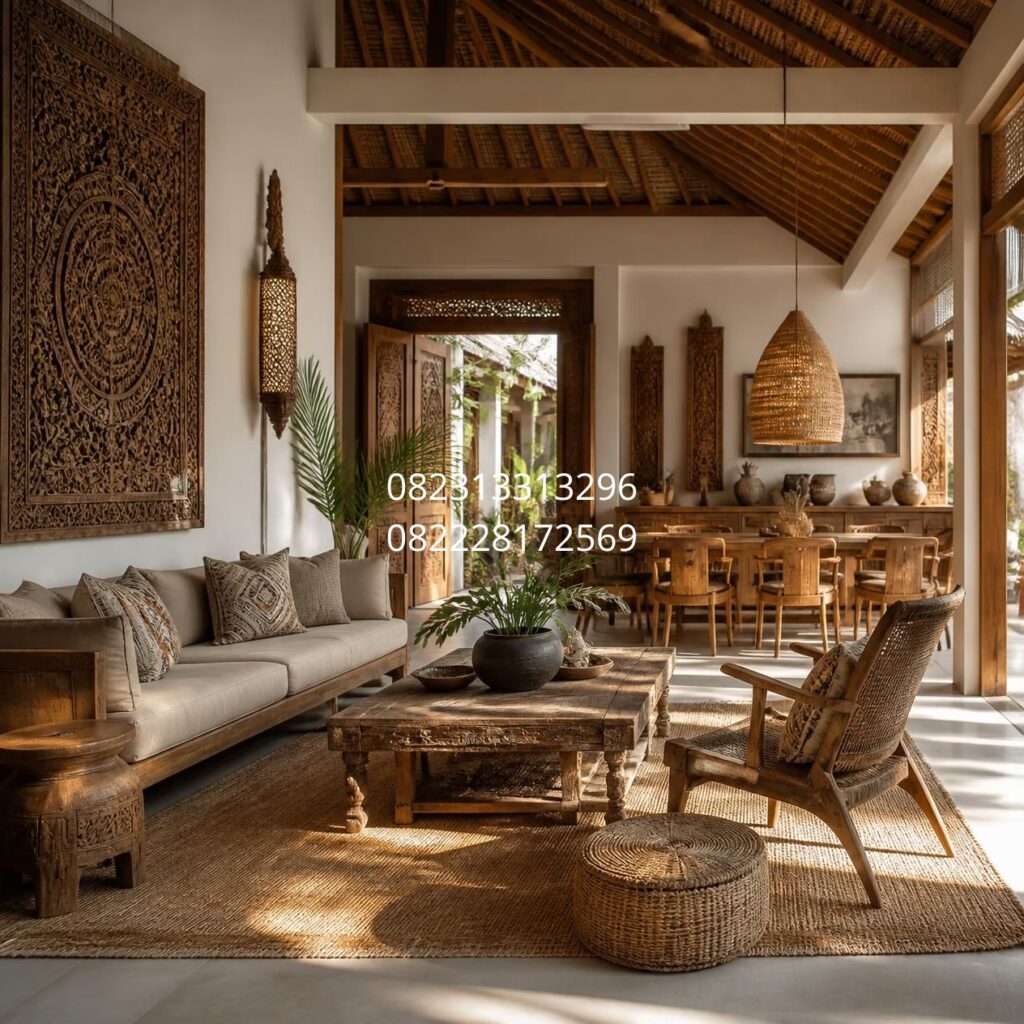
Interior Styling and Visual Identity
Visual identity shapes the overall impression of a villa. Therefore, styling must align with the design concept. Moreover, consistency enhances aesthetic value.
Color Palette and Material Harmony
Color selection influences mood and perception. Therefore, designers choose palettes carefully. Additionally, colors must complement natural surroundings.
Neutral tones often dominate villa interiors. Consequently, spaces feel calm and inviting. Moreover, accent elements add subtle contrast.
Material combinations require balance. As a result, textures create visual interest. Furthermore, harmony improves overall cohesion.
Decorative Elements and Artwork
Decorative elements complete the interior design. Therefore, designers select items that support the concept. Additionally, placement must remain intentional.
Artwork can enhance character. Consequently, spaces feel more personalized. Moreover, local influences can appear in subtle ways.
Over decoration should be avoided. As a result, interiors remain clean and functional. Furthermore, simplicity supports long term appeal.
Project Timeline and Workflow Management
Time management determines project success. Therefore, clear scheduling becomes essential. Moreover, delays can affect overall costs.
Arovabuild establishes structured timelines for each phase. Meanwhile, jslbuild ensures execution follows schedule. As a result, workflow remains consistent.
Design Phase Timeline
The design phase requires careful planning. Therefore, concept development must stay on track. Additionally, revisions should be controlled.
Client feedback influences progress. Consequently, communication must remain active. Moreover, approvals should be documented clearly.
Timely decisions support efficiency. As a result, the project moves forward smoothly. Furthermore, unnecessary delays can be avoided.
Construction and Installation Timeline
Construction requires coordination across multiple teams. Therefore, scheduling must align with material availability. Additionally, site conditions influence progress.
Installation phases must follow sequence. Consequently, each step supports the next. Moreover, quality checks ensure proper execution.
Unexpected issues may arise. As a result, contingency planning becomes important. Furthermore, flexibility helps maintain timelines.
Risk Management in Interior Projects
Every project carries potential risks. Therefore, proactive planning reduces negative impacts. Moreover, risk awareness improves decision making.
Identifying Potential Risks
Design complexity can introduce challenges. Therefore, early assessment becomes necessary. Additionally, site conditions must be evaluated carefully.
Material delays may affect timelines. Consequently, alternative options should be prepared. Moreover, supplier coordination becomes critical.
Budget overruns also pose risks. As a result, monitoring systems must be implemented. Furthermore, transparency supports better control.
Mitigation Strategies
Clear documentation reduces misunderstandings. Therefore, all decisions should be recorded. Additionally, communication must remain consistent.
Regular site inspections improve oversight. Consequently, issues can be addressed quickly. Moreover, collaboration strengthens problem solving.
Flexible planning allows adjustments. As a result, projects remain adaptable. Furthermore, overall outcomes improve.
Sustainability in Villa Interior Design
Sustainability becomes increasingly important in modern design. Therefore, interior planning should consider environmental impact. Moreover, efficient solutions benefit long term use.
Energy Efficient Design
Energy efficiency reduces operational costs. Therefore, designers optimize natural lighting and ventilation. Additionally, efficient systems lower energy consumption.
Appliance selection also matters. Consequently, energy saving equipment supports sustainability. Moreover, proper insulation improves performance.
Renewable energy integration may be considered. As a result, villas become more self sufficient. Furthermore, environmental impact decreases.
Responsible Material Usage
Material sourcing influences sustainability. Therefore, local materials often become preferred choices. Additionally, responsible production methods matter.
Durable materials reduce replacement frequency. Consequently, waste generation decreases. Moreover, long term value increases.
Recycling and reuse can be integrated. As a result, projects become more environmentally conscious. Furthermore, design aligns with global standards.
Conclusion
Bali villa interior design requires a balanced and structured approach. Therefore, every decision must consider climate, function, and user experience. Moreover, professional guidance ensures better outcomes.
Arovabuild delivers a comprehensive design process tailored for villa projects. Meanwhile, jslbuild supports technical execution from Surabaya with a professional approach. As a result, projects gain both creative and practical strength.
If you plan to develop or improve a villa interior in Bali, you can start with a detailed consultation. This step helps clarify needs, define priorities, and explore realistic solutions.