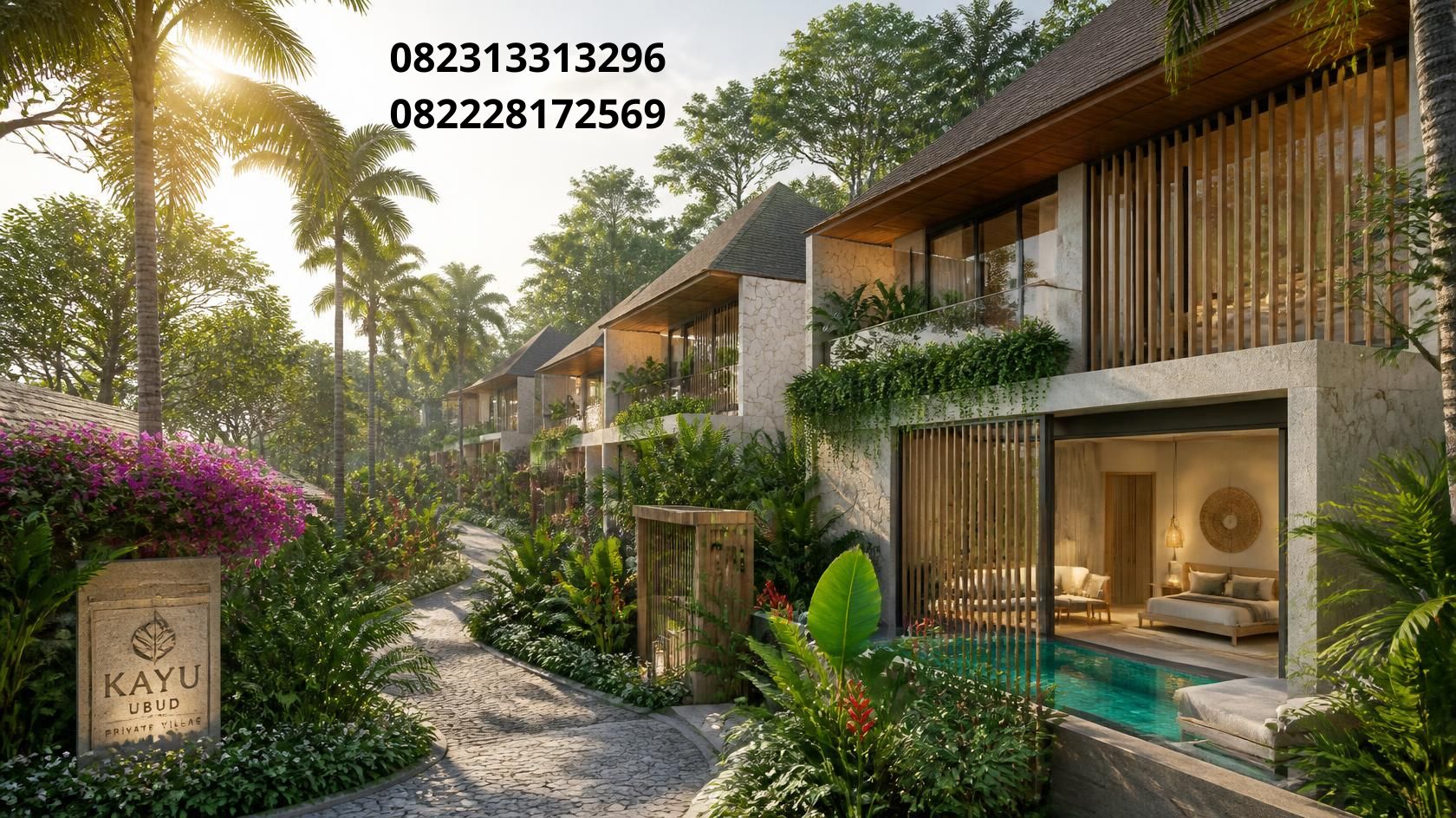
Residential Development Bali: A Practical Guide to Creating Sustainable and High-Quality Living Communities – arovabuild
Residential Development Bali – Residential development continues to shape Bali’s growing property landscape. New housing projects support local communities, accommodate new residents, and attract long-term investors. Therefore, every development requires careful planning from the beginning.
Modern residential projects involve much more than constructing buildings. Developers also need to consider infrastructure, environmental conditions, regulations, and future community needs. As a result, successful projects rely on strategic planning instead of quick decisions.
Moreover, Bali presents unique opportunities for residential development. The island combines natural beauty, expanding infrastructure, and strong property demand. Consequently, developers must balance architectural quality with environmental responsibility.
Every residential project also requires collaboration between multiple disciplines. Architects, engineers, contractors, consultants, and project managers contribute different expertise throughout each development phase. Together, they help create functional, efficient, and attractive residential environments.
This guide explains the essential aspects of residential development in Bali. Additionally, it explores planning strategies, construction processes, technical considerations, and practical recommendations that support successful residential projects.

Chat on WhatsApp
Chat on WhatsApp
Understanding Residential Development in Bali
Residential development refers to the planning, design, and construction of housing communities. These projects may include individual homes, villas, townhouses, apartment complexes, or integrated residential neighborhoods.
Unlike simple building construction, residential development focuses on creating complete living environments. Therefore, developers must evaluate transportation access, utilities, drainage systems, public spaces, and community facilities.
Furthermore, Bali’s diverse geography creates different planning challenges across each region. Coastal areas, hillside locations, and urban districts require different engineering approaches. Consequently, every site demands detailed evaluation before construction begins.
Successful residential development also supports long-term sustainability. Developers should prioritize efficient infrastructure, durable materials, and environmentally responsible planning throughout the project lifecycle.
Why Residential Development Continues to Grow in Bali
Bali attracts both domestic and international property buyers. Consequently, residential demand continues to increase across multiple regions.
Population growth also contributes to housing needs. Therefore, developers continue exploring opportunities for new residential communities.
In addition, infrastructure improvements strengthen many developing areas. Better roads and public facilities increase accessibility while supporting future residential expansion.
The tourism industry also influences long-term housing demand. Many professionals choose Bali as their permanent residence, creating additional opportunities for residential projects.
Residential Projects Require Long-Term Planning
Every successful project begins with comprehensive planning. Developers should evaluate technical requirements before construction starts.
First, land conditions require detailed assessment. Soil quality directly affects foundation design and structural stability.
Next, utility planning supports future residents. Water supply, electricity, telecommunications, and drainage systems require careful coordination.
Finally, project scheduling helps maintain construction efficiency. Organized planning reduces unnecessary delays while supporting consistent progress.
Key Factors That Influence Residential Development Success
Every residential project depends on multiple technical and strategic factors. Therefore, developers should evaluate every aspect before making major decisions.
Location remains one of the most important considerations. However, successful development also depends on accessibility, infrastructure, environmental conditions, and future growth potential.
In addition, developers should understand the surrounding community. Local conditions often influence project design, construction methods, and long-term property value.
Careful planning also reduces unexpected challenges during construction. Consequently, project teams can maintain better schedules and cost control.
Site Selection and Land Evaluation
Land selection affects every stage of development. Therefore, developers should begin with detailed site investigations.
Topography influences foundation requirements and drainage planning. Flat land often simplifies construction, while sloping terrain requires additional engineering solutions.
Soil characteristics also deserve careful attention. Strong soil supports structural stability and reduces future maintenance concerns.
Furthermore, environmental assessments help identify potential risks before construction begins. Early evaluation allows project teams to develop practical mitigation strategies.
baca juga : https://arovabuild
Infrastructure Availability
Infrastructure supports every residential community. Therefore, developers should review existing public facilities before finalizing project plans.
Reliable road access improves transportation efficiency for future residents. Likewise, utility connections simplify construction and long-term operations.
Water management systems also require careful planning. Proper drainage helps reduce flooding risks during heavy rainfall.
In addition, electrical infrastructure should support future residential demand. Stable utility services improve comfort and increase property value.
Planning Residential Communities for Long-Term Value
Modern residential development focuses on long-term functionality instead of short-term construction goals. Consequently, developers should prioritize sustainable planning throughout every project phase.
Well-designed neighborhoods encourage comfortable daily living. At the same time, efficient layouts improve accessibility and community interaction.
Developers should also allocate sufficient space for green areas. Trees, parks, and open spaces improve environmental quality while creating healthier neighborhoods.
Additionally, pedestrian-friendly designs support safer community movement. Organized circulation also reduces unnecessary traffic congestion.
Creating Functional Neighborhood Layouts
Every residential layout should balance aesthetics with practicality. Therefore, planners should organize roads, buildings, and public spaces carefully.
Wide internal roads improve accessibility for residents and emergency services. Likewise, organized parking areas reduce daily congestion.
Public spaces encourage community interaction. Parks, playgrounds, and recreational facilities strengthen neighborhood connections.
Moreover, proper zoning separates residential areas from supporting facilities. This approach improves privacy while maintaining convenience.
Sustainable Community Design
Sustainability continues influencing modern residential development. Therefore, developers increasingly integrate environmentally responsible solutions.
Energy-efficient building orientation reduces excessive heat exposure. Consequently, homes require less cooling throughout the year.
Natural ventilation also improves indoor comfort. Cross ventilation supports healthier living environments while lowering energy consumption.
Furthermore, rainwater management systems improve environmental performance. Responsible water planning also protects surrounding ecosystems.
Construction Management in Residential Development Bali
Construction management coordinates every project activity from preparation to completion. Therefore, organized management directly supports project success.
Project managers oversee scheduling, budgeting, quality control, and communication. Their coordination keeps construction activities aligned with project objectives.
Additionally, regular site inspections maintain construction quality. Early identification of issues prevents larger problems later.
Consistent documentation also improves transparency throughout the project lifecycle. Accurate records support efficient decision-making during construction.
Quality Control Throughout Construction
Quality should remain a priority from the first construction stage. Therefore, project teams should establish clear inspection procedures.
Material inspections verify compliance with project specifications. High-quality materials contribute to stronger and longer-lasting buildings.
Construction supervisors also monitor workmanship daily. Consistent supervision helps maintain structural integrity and finishing quality.
Moreover, testing procedures confirm system performance before project completion. Early verification reduces future operational issues.
Managing Construction Risks
Every construction project involves potential risks. However, proactive planning minimizes their impact.
Weather conditions sometimes influence project schedules. Therefore, flexible planning improves construction continuity.
Supply chain coordination also deserves careful attention. Timely material delivery supports uninterrupted construction activities.
Safety management remains equally important. Well-organized safety procedures protect workers while improving overall productivity.
Architectural Design for Residential Development
Architecture shapes both functionality and visual identity. Therefore, design decisions influence long-term project value.
Residential architecture should reflect user needs instead of temporary trends. Practical layouts often provide greater long-term satisfaction.
Designers should also maximize natural lighting. Bright interiors improve comfort while reducing daytime energy use.
Furthermore, efficient space planning increases usable living areas without unnecessary complexity.
Balancing Modern Design with Local Context
Bali offers a unique architectural environment. Therefore, residential projects should respect local character while embracing modern functionality.
Natural materials often complement surrounding landscapes. Stone, wood, and textured finishes create warm visual experiences.
Large openings also improve airflow. Consequently, indoor spaces remain comfortable throughout changing weather conditions.
Landscape design further strengthens residential environments. Trees and gardens create pleasant outdoor living spaces while enhancing environmental quality.
Flexible Home Design
Family needs often change over time. Therefore, flexible layouts provide long-term practical benefits.
Multi-purpose rooms allow homeowners to adapt spaces for different activities.
Expandable layouts also support future renovations without major structural modifications.
Moreover, efficient storage solutions improve organization while maximizing available space.
Budget Planning for Residential Development Projects
Financial planning plays an important role in every residential development project. Therefore, developers should establish realistic budgets before construction begins.
A comprehensive budget covers construction costs, professional services, infrastructure, permits, and contingency funds. This approach helps maintain financial stability throughout the project.
In addition, cost planning should reflect project complexity. Larger developments often require additional coordination, specialized equipment, and longer construction schedules.
Regular financial reviews also improve project control. Consequently, developers can identify cost variations before they affect the overall budget.
Estimating Construction Costs Accurately
Accurate cost estimation supports better decision-making. Therefore, project teams should evaluate every construction component carefully.
Material selection influences both quality and overall investment. Durable materials often provide better long-term value despite higher initial costs.
Labor planning also deserves careful attention. Skilled professionals improve construction quality while supporting efficient project execution.
Equipment requirements further contribute to total project expenses. Organized scheduling helps maximize equipment utilization throughout construction.
Managing Project Resources Efficiently
Resource management improves productivity during every construction phase. Therefore, developers should coordinate materials, labor, and equipment systematically.
Timely procurement reduces unnecessary delays. Likewise, organized logistics help maintain consistent construction progress.
Project managers should also monitor resource utilization regularly. Continuous evaluation supports better operational efficiency while reducing waste.
Furthermore, clear communication strengthens collaboration among every project stakeholder.

Regulatory Considerations for Residential Development in Bali
Every residential project should comply with applicable regulations. Therefore, developers should understand local planning requirements before starting construction.
Regulatory compliance supports smoother project implementation. Additionally, proper preparation helps reduce administrative delays during project execution.
Developers should also coordinate with qualified professionals throughout the planning process. Expert guidance improves documentation while supporting regulatory compliance.
Early preparation creates greater certainty during project development. Consequently, project schedules become easier to manage.
Land Use Planning
Land use planning determines how property can support residential development. Therefore, developers should review planning regulations before preparing project designs.
Understanding development guidelines also helps optimize land utilization. Proper planning supports functional neighborhoods while respecting surrounding environments.
Moreover, coordinated planning encourages balanced community growth across different regions.
Environmental Responsibility
Environmental considerations continue shaping modern residential development. Therefore, developers should integrate sustainable practices into project planning.
Responsible land management protects natural resources while supporting long-term environmental quality.
Developers should also evaluate water management, vegetation preservation, and surface drainage. These measures improve project resilience under changing environmental conditions.
Furthermore, environmentally responsible planning often increases long-term community value.
Technology Supports Modern Residential Development
Technology continues transforming construction and project management. Therefore, many developers integrate digital solutions throughout the development process.
Digital planning tools improve design accuracy before construction begins. Consequently, project teams identify potential challenges much earlier.
Modern project management software also improves communication among stakeholders. Better coordination reduces misunderstandings while supporting faster decision-making.
Technology further strengthens quality control through accurate documentation and progress tracking.
Digital Design Improves Project Accuracy
Three-dimensional modeling allows designers to visualize residential projects before construction starts.
This approach improves collaboration between architects, engineers, and project managers.
Design revisions also become more efficient because project teams identify conflicts earlier.
Consequently, construction activities proceed with greater confidence and fewer unexpected adjustments.
Better Communication Creates Better Results
Successful residential development depends on strong communication. Therefore, project teams should maintain regular coordination throughout construction.
Frequent meetings improve alignment between design objectives and construction activities.
Project documentation also supports transparency for every stakeholder.
Moreover, clear communication accelerates problem-solving whenever unexpected situations arise.

Choosing the Right Residential Development Partner
Selecting the right development partner requires careful evaluation. Therefore, property owners should consider experience, technical capability, and communication quality before making decisions.
A professional team understands both construction requirements and long-term project objectives.
Additionally, collaborative planning creates practical solutions that reflect each project’s unique conditions.
Open communication also strengthens trust throughout every project phase.
Experience Supports Better Decision-Making
Experienced professionals evaluate project challenges more effectively.
They understand construction sequencing, site coordination, and technical planning from practical experience.
Furthermore, experienced teams anticipate potential issues before they become significant problems.
This proactive approach supports smoother construction while improving project efficiency.
Professional Collaboration Creates Long-Term Value
Residential development involves architects, engineers, consultants, contractors, and property owners.
Strong collaboration allows every specialist to contribute valuable expertise.
As a result, project decisions become more balanced and technically appropriate.
Continuous coordination also improves construction quality from beginning to completion.
Arovabuild as a Professional Residential Development Solution Provider
Every residential development project benefits from experienced technical guidance. Therefore, choosing a knowledgeable solution provider supports better planning and smoother project execution.
In this context, Arovabuild serves as a professional solution provider for residential development projects. Although the company operates from Surabaya, East Java, it supports clients according to their project requirements and development objectives.
Rather than offering standardized recommendations, Arovabuild emphasizes consultation, technical evaluation, and practical planning. As a result, clients gain a clearer understanding of construction considerations before making important decisions.
Additionally, the team encourages open communication throughout every project discussion. Consequently, clients receive relevant insights regarding design strategies, construction planning, material selection, and implementation methods.
Residential development in Bali requires thoughtful planning, technical expertise, and a long-term vision. Therefore, every successful project should balance design quality, construction efficiency, environmental responsibility, and community value.
Moreover, careful site evaluation, organized project management, sustainable planning, and effective collaboration contribute to stronger residential developments. As a result, these elements improve project performance while supporting long-term property value.
In addition, developers who prioritize strategic planning often achieve smoother project execution and more efficient resource management. Consequently, they create residential communities that remain functional, attractive, and adaptable for many years.
Finally, if you plan to develop a residential project in Bali, discussing your ideas with experienced professionals can provide valuable technical insight. In this regard, Arovabuild, based in Surabaya, East Java, offers professional consultation and practical development solutions tailored to each project’s unique requirements. Through informative discussions and collaborative planning, clients can explore suitable development approaches, evaluate technical considerations, and make well-informed decisions without unnecessary complexity or pressure.
