Outdoor Renovation Bali: Process, Design Ideas, Materials, and Practical Considerations – arovabuild
Outdoor Renovation Bali – Outdoor spaces play an important role in Bali properties.
Therefore, a well-planned outdoor renovation can improve comfort, function, and visual appeal.
Many Bali properties feature gardens, terraces, patios, pools, pergolas, and outdoor living areas.
However, each property requires a different renovation approach.
The local climate also creates specific considerations for outdoor construction.
Therefore, owners should consider sunlight, rainfall, humidity, drainage, and material durability.
A successful renovation starts with a clear understanding of the existing outdoor space.
Next, the renovation team can develop practical solutions around the owner’s requirements.
The process should balance aesthetics, functionality, construction requirements, and long-term maintenance.
Therefore, owners should evaluate every design decision beyond its visual appearance.
Arovabuild provides professional solutions for outdoor renovation and construction requirements.
The business operates from Surabaya, East Java, while supporting project requirements based on project scope.
Chat on WhatsApp
Chat on WhatsApp
What Is Outdoor Renovation in Bali?
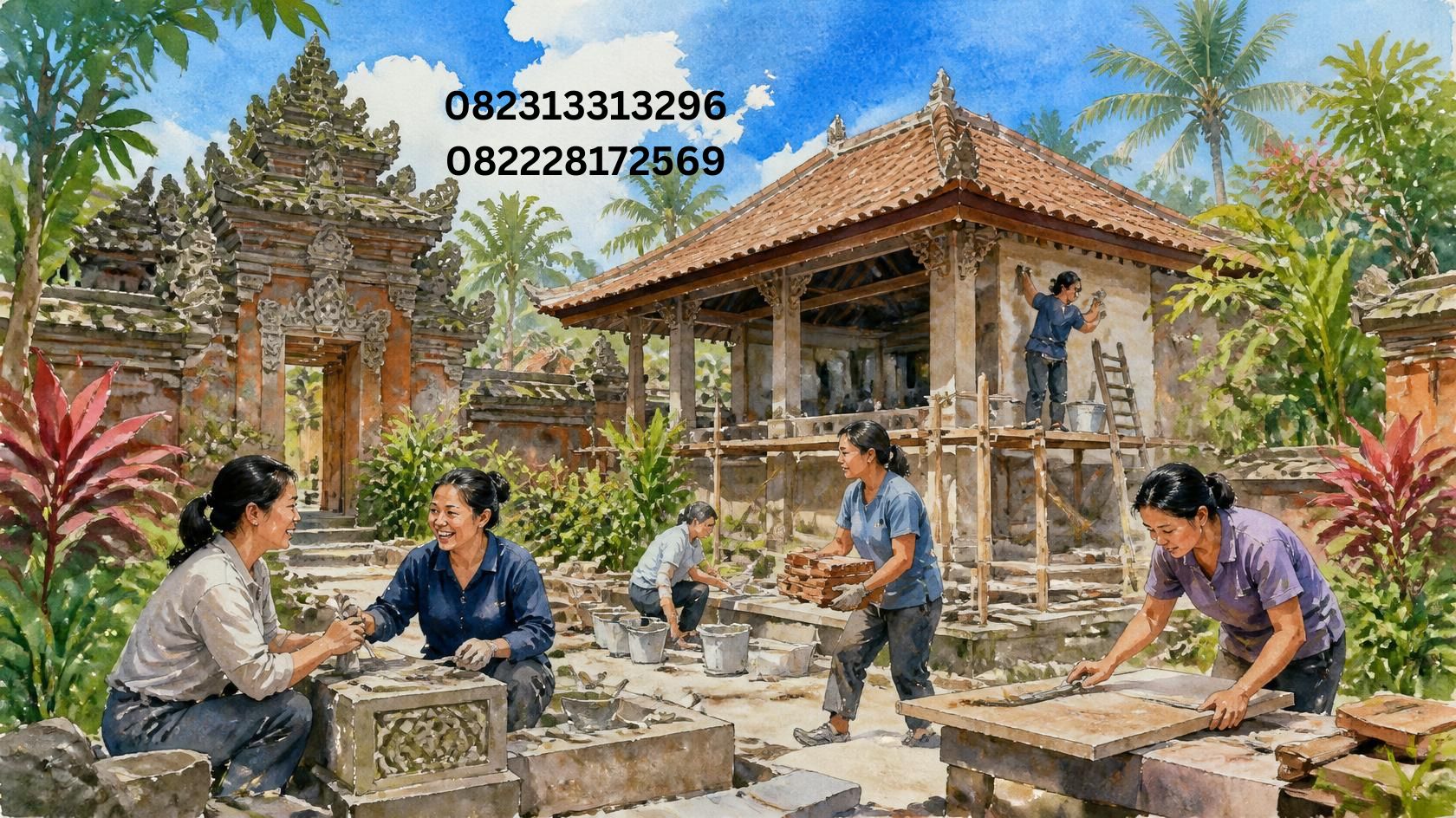
Outdoor renovation involves improving existing exterior areas around a property.
Therefore, the work can include gardens, terraces, patios, pathways, pools, and outdoor structures.
Renovation may focus on appearance, functionality, structural improvements, or several objectives together.
However, the project should begin with clearly defined priorities.
Some owners want better outdoor circulation and seating areas.
Meanwhile, others want stronger landscaping, improved drainage, or additional entertainment spaces.
Therefore, the renovation scope should reflect the property’s actual needs.
This approach helps control unnecessary changes during construction.
Outdoor Renovation for Villas
Villa renovation often focuses on outdoor experiences and guest comfort.
Therefore, designers may connect bedrooms, living spaces, gardens, and pools.
Open-air lounges can create additional areas for relaxation.
Meanwhile, shaded terraces can provide more comfortable spaces during hot periods.
The design should also support practical villa operations.
Therefore, maintenance access and service areas require careful planning.
Outdoor Renovation for Residential Properties
Residential outdoor renovation focuses on everyday activities and family requirements.
Therefore, the design should support relaxation, dining, circulation, and gardening.
Families may need flexible spaces for children, guests, or outdoor gatherings.
Meanwhile, compact properties may require multifunctional outdoor areas.
The renovation should therefore maximize usable space without creating unnecessary complexity.
Outdoor Renovation Bali Process
A structured renovation process helps control design and construction decisions.
Therefore, the project should follow several logical stages.
The process usually begins with consultation and site assessment.
Next, the team develops design concepts and technical solutions.
After that, the project moves toward budgeting and material selection.
Finally, construction teams execute the approved renovation plan.
Each stage influences the following stage.
Therefore, owners should avoid making major decisions without reviewing earlier information.
Initial Consultation
The consultation provides the foundation for the renovation project.
Therefore, owners should explain their goals, preferences, and practical concerns.
The discussion can cover the existing layout and desired improvements.
It can also cover budget expectations and preferred project timing.
Next, the renovation team can identify potential technical considerations.
This step helps create a more realistic project direction.
Site Assessment
Site assessment allows the team to understand existing conditions.
Therefore, the team should inspect the outdoor area before designing changes.
The inspection can cover ground levels, drainage, existing structures, vegetation, and access.
Meanwhile, the team can review sunlight and surrounding conditions.
These observations can influence the final outdoor renovation strategy.
Concept Development
The design team can develop concepts after gathering site information.
Therefore, the concept should respond to both aesthetics and site conditions.
The design may introduce new seating, landscaping, pathways, or outdoor structures.
Meanwhile, the team can preserve useful existing elements.
This approach can reduce unnecessary construction and material usage.
Outdoor Space Planning in Bali
Outdoor planning determines how people use exterior areas.
Therefore, the design should organize different activities within the available space.
A property may require separate areas for relaxation, dining, circulation, and service activities.
However, these zones can still maintain visual connections.
Good planning creates clear movement between indoor and outdoor areas.
Therefore, designers should consider entrances, pathways, stairs, and transitions.
Outdoor Living Area
Outdoor living areas can extend the usable space of a property.
Therefore, designers often connect them with indoor living rooms.
A covered terrace can support seating and dining activities.
Meanwhile, open areas can provide additional flexibility.
The layout should also consider furniture placement and circulation space.
Therefore, the design should maintain comfortable movement around each zone.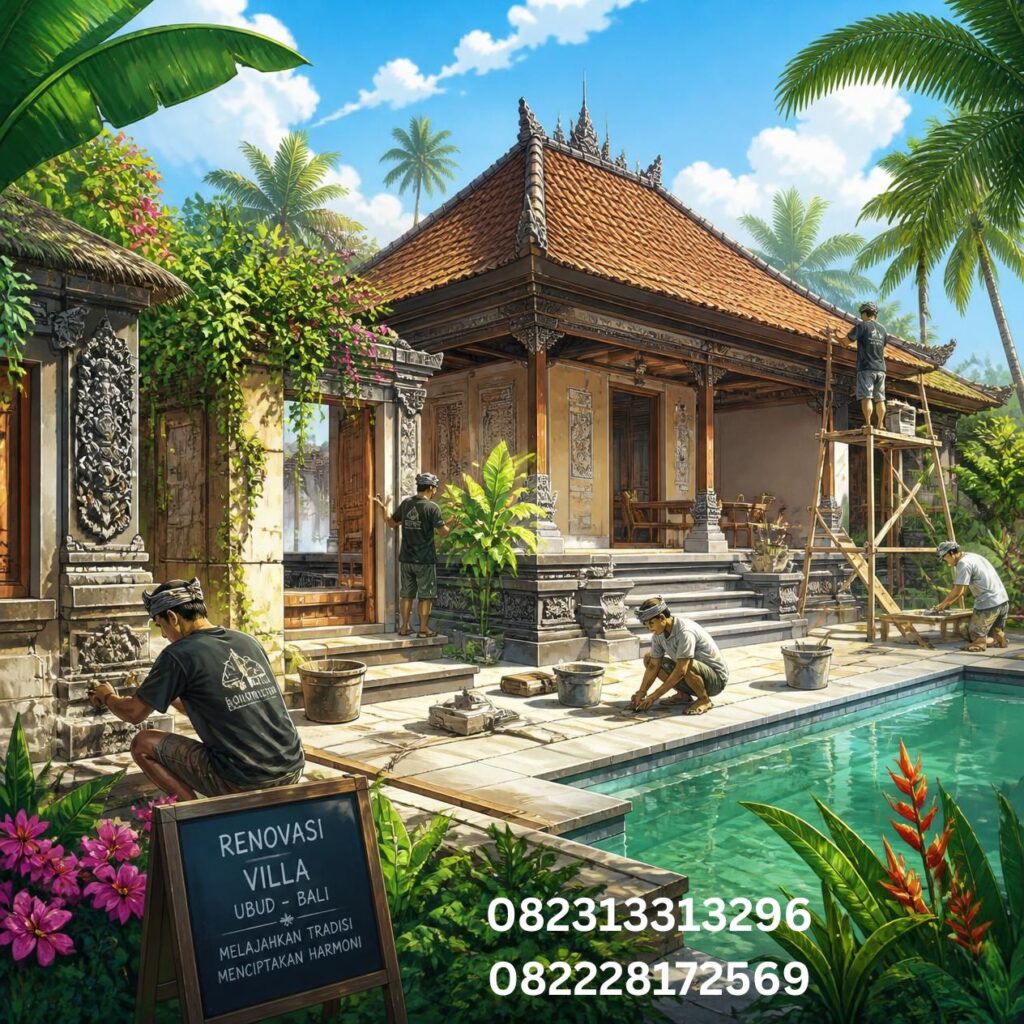
Outdoor Dining Area
Outdoor dining areas require careful consideration of shade and access.
Therefore, the location should provide convenient connections to kitchen areas.
The design can include tables, seating, lighting, and protective structures.
Meanwhile, durable surfaces can simplify regular cleaning.
The final arrangement should support both everyday meals and occasional gatherings.
Garden and Landscape Areas
Landscape areas can improve the atmosphere around a property.
Therefore, planting choices should consider the local climate and maintenance requirements.
Native or climate-suitable plants can support more practical landscape management.
Meanwhile, trees can provide shade when designers position them correctly.
The landscape should also maintain clear access to building systems.
Outdoor Renovation Design Ideas
Outdoor renovation can introduce many design possibilities.
Therefore, owners should select ideas according to property size and lifestyle.
Modern, tropical, minimalist, and natural concepts can create different experiences.
However, the design should still respond to Bali’s outdoor environment.
Material selection also influences the character of the finished space.
Therefore, designers should coordinate surfaces, structures, furniture, and landscaping.
baca juga : https://arovabuild
Tropical Outdoor Design
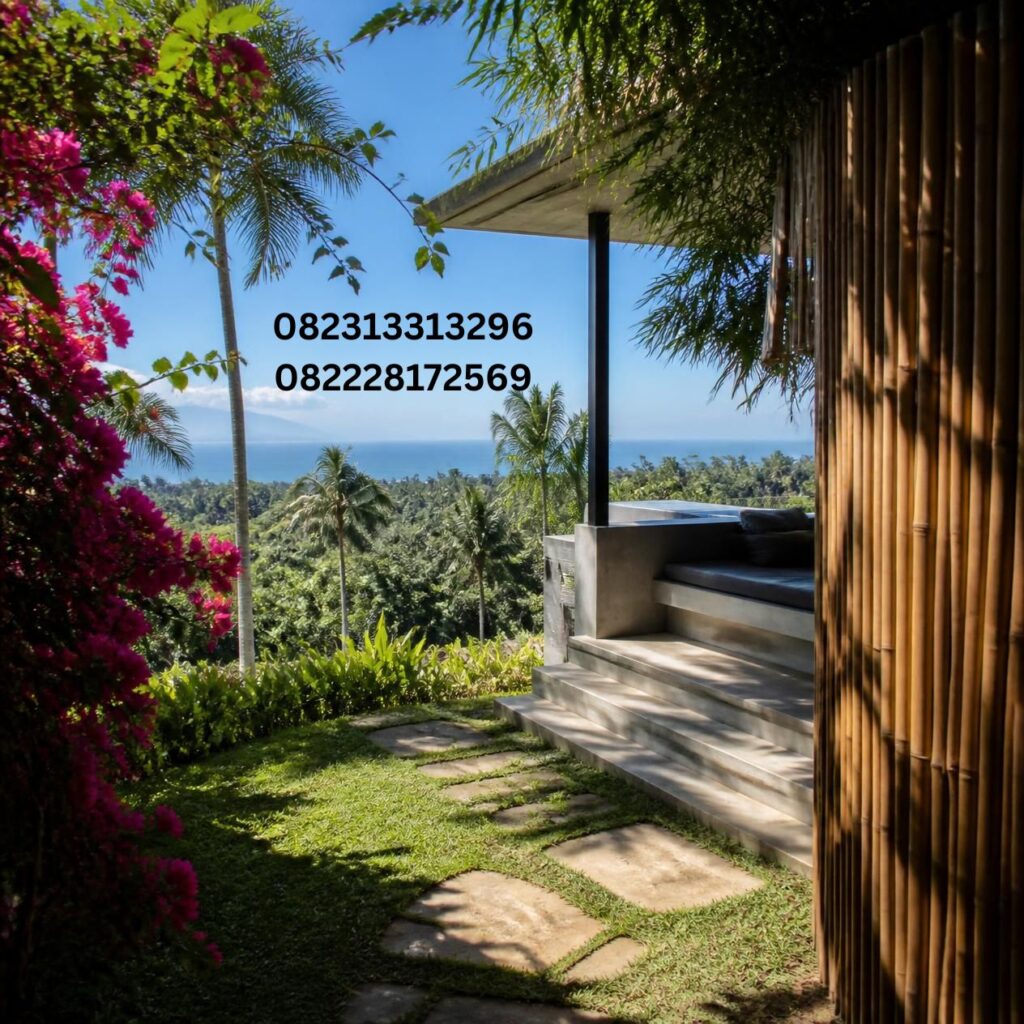
Tropical outdoor design can emphasize natural airflow and shaded spaces.
Therefore, designers often combine greenery with open structures.
Pergolas, terraces, timber elements, and natural stone can support the concept.
Meanwhile, planting can soften hard architectural surfaces.
The design should balance openness with protection from weather conditions.
Modern Outdoor Design
Modern outdoor spaces usually emphasize clean lines and simple compositions.
Therefore, designers can combine geometric layouts with restrained materials.
Concrete, stone, timber, glass, and metal can create contemporary combinations.
However, each material should suit outdoor exposure.
Lighting can also emphasize architectural forms during evening use.
Balinese-Inspired Outdoor Design
Balinese-inspired spaces can incorporate local materials and natural elements.
Therefore, stone, timber, water, and greenery can create a cohesive atmosphere.
The design can also introduce sheltered seating and garden pathways.
Meanwhile, decorative elements can strengthen the local character.
However, designers should avoid adding decorative elements without functional value.
Outdoor Renovation Materials
Material selection affects durability, maintenance, appearance, and construction cost.
Therefore, owners should evaluate materials according to outdoor conditions.
Bali’s humidity and rainfall can affect exterior materials over time.
Meanwhile, direct sunlight can influence surface appearance and thermal comfort.
Therefore, each material requires an appropriate application.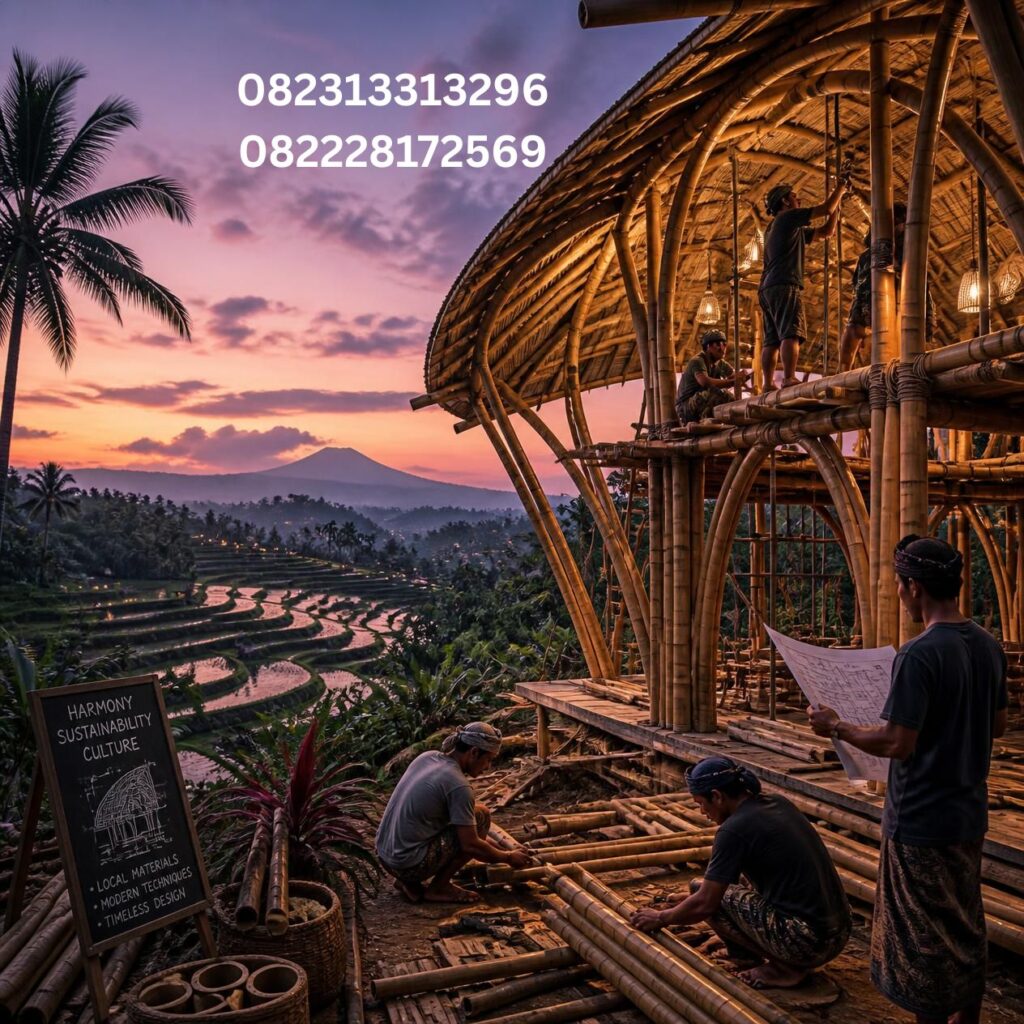
Outdoor Flooring Materials
Outdoor flooring needs good durability and slip resistance.
Therefore, designers should consider texture, drainage, and exposure.
Natural stone can create a strong connection with landscape areas.
Meanwhile, outdoor tiles can provide easier cleaning and consistent patterns.
The selected surface should also support proper water movement.
Natural Stone
Natural stone can add texture and visual depth to outdoor areas.
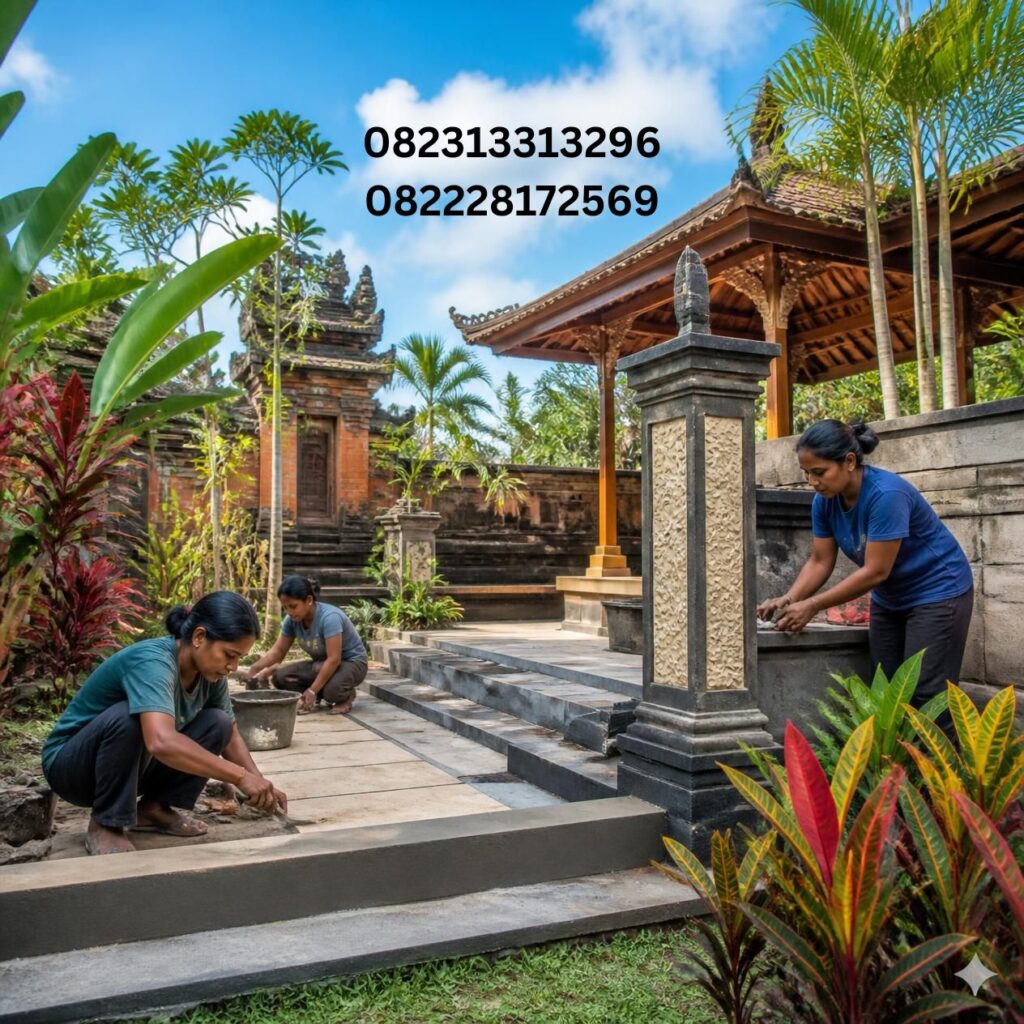
Therefore, designers often use stone around gardens, pathways, and terraces.
However, different stones have different absorption and maintenance characteristics.
Therefore, users should evaluate the material before installation.
Proper surface preparation can also improve long-term performance.
Timber for Outdoor Structures
Timber can create warmth within outdoor spaces.
Therefore, builders often use timber for pergolas, decks, and decorative structures.
However, outdoor timber requires suitable protection and maintenance.
Meanwhile, design details should prevent unnecessary water accumulation.
The construction team should choose timber according to exposure and application.
Outdoor Concrete
Concrete offers flexibility for patios, pathways, steps, and structural elements.
Therefore, designers can use concrete in various outdoor applications.
The surface can receive different finishes depending on the design concept.
However, drainage and expansion considerations remain important.
Proper detailing can help reduce common outdoor surface problems.
Outdoor Drainage Renovation
Drainage plays a major role in Bali outdoor renovation.
Therefore, renovation planning should address water movement from the beginning.
Heavy rainfall can quickly expose weaknesses in outdoor drainage systems.
Meanwhile, poor ground levels can create standing water.
Therefore, the renovation team should evaluate existing drainage before changing surfaces.
Site Grading
Site grading controls how water moves across outdoor areas.
Therefore, designers should establish suitable slopes around patios and pathways.
The grading should direct water toward appropriate drainage points.
Meanwhile, the design should prevent water from flowing toward buildings.
Proper grading can support better outdoor usability during rainy conditions.
Surface Drainage
Surface drains can collect water from paved outdoor areas.
Therefore, designers should position drains according to natural water movement.
Drain covers should also support pedestrian safety.
Meanwhile, maintenance access should remain convenient.
This approach can reduce standing water around outdoor living areas.
Garden Drainage
Garden areas may require different drainage strategies than paved surfaces.
Therefore, landscape designers should consider soil conditions and planting requirements.
Permeable areas can help manage some surface water naturally.
Meanwhile, drainage channels can support areas with heavier runoff.
The final system should match the site’s existing water movement.
Outdoor Pergola Renovation in Bali
Pergolas can expand outdoor living opportunities.
Therefore, they often become useful additions during exterior renovation projects.
A pergola can create shade above seating or dining areas.
Meanwhile, climbing plants can add natural screening.
The structure should balance appearance, strength, drainage, and maintenance.
Pergola Design
Pergola design should consider orientation and sunlight exposure.
Therefore, designers should position the structure according to the property’s surroundings.
The roof arrangement can influence shade throughout different times of day.
Meanwhile, structural spacing can affect ventilation and visual openness.
The design should also leave enough room for furniture and circulation.
Pergola Materials
Timber, metal, and combination structures can support different design concepts.
Therefore, material selection should consider exposure and maintenance requirements.
Timber creates a natural appearance with warm visual characteristics.
Meanwhile, metal can provide a more contemporary structural expression.
The selected material should match the property’s architecture.
Outdoor Pool Renovation
Pool areas often become major focal points within Bali properties.
Therefore, renovation should consider both aesthetics and technical functionality.
The project may involve pool finishes, surrounding decks, drainage, lighting, or seating areas.
Meanwhile, circulation around the pool requires careful planning.
Pool Surround Renovation
The pool surround should provide comfortable and practical circulation.
Therefore, the surface should offer suitable traction for wet conditions.
Designers can combine stone, tile, concrete, or other outdoor surfaces.
Meanwhile, surrounding furniture should maintain clear walking paths.
The design should also connect the pool with nearby outdoor spaces.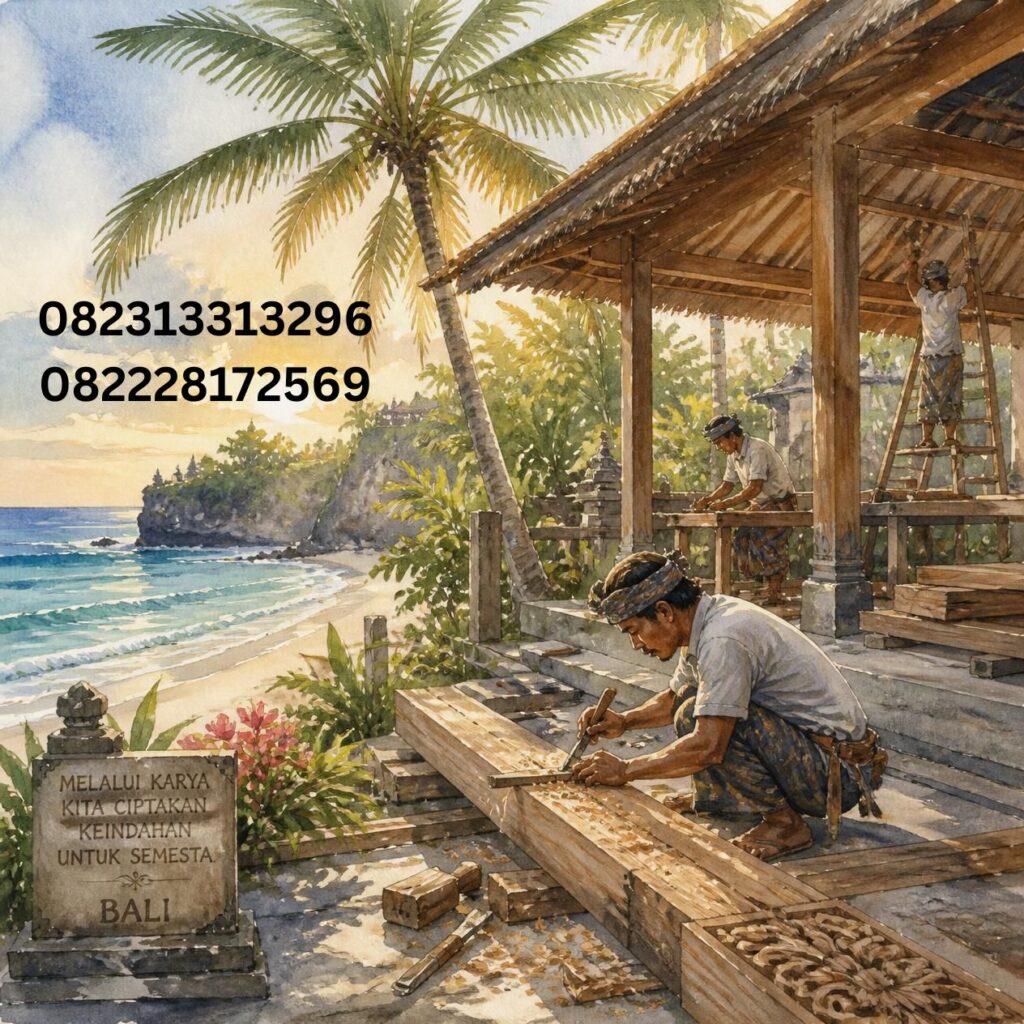
Poolside Landscaping
Landscape elements can create a softer transition around swimming pools.
Therefore, planting can frame the pool without blocking necessary access.
Designers should consider root growth and maintenance requirements.
Meanwhile, plants should not create excessive debris around the pool.
A balanced landscape can improve both appearance and usability.
Outdoor Lighting Renovation
Outdoor lighting supports safety, comfort, and evening atmosphere.
Therefore, lighting should form part of the renovation plan.
Different areas require different lighting approaches.
For example, pathways need functional illumination, while gardens can use accent lighting.
Pathway Lighting
Pathway lighting helps people navigate outdoor areas after dark.
Therefore, designers should position fixtures along important circulation routes.
The lighting should provide adequate visibility without creating excessive glare.
Meanwhile, fixture placement should complement the landscape design.
Garden Lighting
Garden lighting can highlight trees, plants, walls, and landscape features.
Therefore, designers can use accent fixtures to create visual depth.
However, excessive lighting can reduce the natural atmosphere.
Therefore, the design should use controlled illumination.
Outdoor Architectural Lighting
Architectural lighting can emphasize pergolas, walls, columns, and structural details.
Therefore, lighting can strengthen the visual character of renovated spaces.
The system should also consider outdoor electrical protection.
Meanwhile, maintenance access should remain practical.
Outdoor Furniture and Functional Planning
Furniture influences how people use renovated outdoor spaces.
Therefore, designers should consider furniture during layout development.
Large furniture can reduce circulation within compact areas.
Meanwhile, lightweight pieces can provide greater flexibility.
Materials should also match outdoor exposure and maintenance expectations.
Compact Outdoor Furniture
Compact furniture works well in smaller terraces and patios.
Therefore, owners can maximize usable space without overcrowding the area.
Foldable or multifunctional pieces can provide additional flexibility.
Meanwhile, built-in seating can utilize difficult corners effectively.
Outdoor Furniture Arrangement
Furniture placement should create clear movement between activity zones.
Therefore, designers should maintain comfortable circulation around tables and seating.
The arrangement should also consider views and access points.
Meanwhile, shade structures can improve comfort around seating areas.
Outdoor Renovation Cost Considerations
Renovation costs depend on design, materials, site conditions, and project scope.
Therefore, owners should evaluate costs through detailed project requirements.
A simple landscape improvement requires different resources than a complete exterior renovation.
Meanwhile, structural additions can increase construction complexity.
Therefore, early scope definition can improve budget planning.
Material Cost
Material selection directly influences project expenditure.
Therefore, owners should compare materials according to performance and application.
Premium materials may provide specific benefits but can increase initial costs.
Meanwhile, practical alternatives can achieve similar functions in suitable applications.
The best choice should balance performance, appearance, and budget.
Labor and Construction Cost
Construction complexity influences labor requirements.
Therefore, projects with structural changes may require more specialized work.
Site access can also influence logistics and working methods.
Meanwhile, remote or restricted locations can require additional planning.
A detailed scope helps contractors calculate labor requirements more accurately.
Choosing an Outdoor Renovation Contractor in Bali
Choosing the right contractor requires more than comparing project prices.
Therefore, owners should evaluate experience, communication, technical understanding, and project approach.
A contractor should understand the relationship between design and construction.
Meanwhile, the team should communicate project limitations clearly.
Review Previous Projects
Previous projects can demonstrate a contractor’s practical experience.
Therefore, owners should review projects with similar characteristics.
The review can include outdoor structures, landscaping, pools, or villa renovations.
Meanwhile, owners can examine construction details and overall design consistency.
Evaluate Project Communication
Clear communication helps reduce misunderstandings during renovation.
Therefore, owners should establish communication procedures before construction starts.
The team should document major decisions and design changes.
Meanwhile, progress discussions can help maintain alignment throughout construction.
Check Technical Approach
Technical understanding affects the long-term performance of outdoor renovation work.
Therefore, owners should discuss drainage, materials, structure, lighting, and maintenance.
A practical contractor should explain technical decisions in understandable terms.
This approach helps owners make informed project decisions.
Outdoor Renovation Maintenance
Maintenance should influence renovation decisions from the beginning.
Therefore, owners should consider future cleaning, repairs, and material care.
Low-maintenance materials can reduce routine work in certain applications.
Meanwhile, some natural materials require periodic treatment.
The renovation design should also provide convenient access for maintenance.
Landscape Maintenance
Plants require regular watering, trimming, and health monitoring.
Therefore, landscape selection should match the owner’s maintenance capacity.
Low-maintenance planting can simplify long-term care.
Meanwhile, irrigation systems can support larger landscape areas.
Outdoor Surface Maintenance
Outdoor surfaces collect dust, leaves, and moisture over time.
Therefore, owners should choose finishes that support practical cleaning.
Drainage also influences surface maintenance.
Good water management can reduce persistent moisture around exterior areas.
Arovabuild for Outdoor Renovation Solutions
Arovabuild provides professional solutions for outdoor renovation and construction projects.
The business operates from Surabaya, East Java, while supporting project requirements according to scope.
For Bali projects, location assessment remains important before construction decisions.
Therefore, the team should understand the site’s physical and technical conditions first.
Arovabuild can approach outdoor projects through planning, design coordination, material considerations, and construction requirements.
However, each project still needs an individual assessment.
This approach helps align the renovation concept with actual site conditions.
It also helps owners understand the practical implications of different design choices.
Conclusion
Outdoor renovation in Bali requires more than improving the visual appearance of exterior spaces.
Therefore, successful projects should combine design, functionality, technical planning, and maintenance considerations.
The process begins with consultation and site assessment.
Next, the team develops concepts based on the property’s needs.
Afterward, material selection and technical planning guide the construction stage.
Meanwhile, drainage, lighting, landscaping, and outdoor structures require detailed coordination.
Bali’s climate also requires careful consideration of exterior materials and water management.
Therefore, owners should evaluate durability alongside aesthetics.
Arovabuild offers professional solutions for outdoor renovation and construction requirements.
The business operates from Surabaya, East Java, and approaches each project according to its specific scope.
If you plan to improve an outdoor area in Bali, an initial consultation can clarify your options.
You can discuss the existing condition, design goals, materials, budget, and construction requirements.
Therefore, you can develop a more practical renovation direction before making major project decisions.