Pool Contractor Bali: A Practical Guide to Planning and Building a Swimming Pool – arovabuild
Pool Contractor Bali – Building a swimming pool in Bali requires more than selecting an attractive pool shape. Therefore, every project needs careful planning from concept development through final installation.
A pool must support comfort, safety, maintenance, drainage, and the surrounding architectural concept. Moreover, Bali properties often combine indoor and outdoor spaces within one experience.
Consequently, owners should understand the construction process before selecting materials or discussing the project budget. This approach helps create clearer expectations throughout the development.
A professional pool contractor in Bali can coordinate design, structural work, plumbing, filtration, finishing, and outdoor integration. However, each property still requires a different technical approach.
Therefore, this article explains the swimming pool construction process according to practical working stages. The discussion covers planning, design, construction, equipment, materials, maintenance, and project coordination.
Chat on WhatsApp
Chat on WhatsApp
Understanding Pool Construction in Bali
A swimming pool forms an important part of many hospitality and residential properties. Therefore, designers need to connect the pool with the property’s overall function.
A private villa may require a compact pool with strong privacy. Meanwhile, a resort may need larger circulation areas and multiple recreational features.
Furthermore, the surrounding landscape influences the pool’s appearance and usability. Proper planning can create stronger connections between water, architecture, and outdoor areas.
Defining the Pool’s Main Function
First, owners should determine how people will use the pool. A family pool requires different dimensions from a commercial hospitality facility.
For example, a villa may prioritize relaxation and visual appeal. Meanwhile, a rental property may need durable finishes and straightforward maintenance.
Therefore, the intended function should guide the initial design. This decision also influences depth, circulation, equipment, and surrounding facilities.
Considering Property Character
Each Bali property has its own architectural identity. Consequently, the swimming pool should complement that identity instead of competing with it.
A modern villa may use clean geometric forms and restrained materials. Conversely, a tropical property may emphasize natural stone and planted surroundings.
Therefore, designers should consider the building’s proportions, materials, colors, and landscape. This coordination creates a more unified outdoor environment.
Pool Contractor Bali and Initial Project Planning
Effective construction begins with clear project information. Therefore, owners should prepare basic data before discussing technical solutions.
Important information includes land dimensions, property location, building concept, intended pool size, and available budget. Additionally, owners should explain their expected usage.
A contractor can then evaluate these factors and develop an appropriate construction strategy. Consequently, the early planning stage becomes more productive.
Site Survey and Location Analysis
First, the project team needs to understand the physical site. The survey can examine access, ground conditions, elevation, drainage, and surrounding structures.
Furthermore, the team should identify existing utility routes. This step helps prevent conflicts between pool construction and other property systems.
The surrounding environment also matters. Therefore, the team should examine sunlight, wind direction, vegetation, views, and neighboring properties.
Measuring Available Space
Pool dimensions should follow the available site rather than arbitrary preferences. Therefore, designers need to study the relationship between the pool and surrounding areas.
The plan should include circulation space, deck areas, equipment zones, and maintenance access. Additionally, landscaping needs sufficient space around the structure.
Consequently, accurate measurements help create a balanced layout. They also reduce unnecessary revisions during detailed design.
Developing a Swimming Pool Design
After the survey, the design team can develop the pool concept. This stage transforms functional requirements into a practical spatial arrangement.
First, the team determines the pool shape and dimensions. Next, designers coordinate the pool with architecture and landscape.
Furthermore, the design should consider maintenance from the beginning. A visually attractive pool still needs accessible equipment and practical cleaning routes.
Choosing Pool Shape
Rectangular pools provide a straightforward layout and efficient swimming space. Meanwhile, organic shapes can create a softer landscape appearance.
However, the chosen shape should match the property’s available area. Therefore, designers should avoid complicated forms without a clear functional purpose.
A simple shape can also simplify construction and maintenance. Consequently, owners can balance visual character with practical requirements.
Determining Pool Dimensions
Pool length and width depend on the intended activity. A relaxation pool may require different dimensions from a swimming-focused facility.
Additionally, available land influences the overall proportions. Therefore, designers should maintain sufficient space around the pool.
Pool depth also requires careful consideration. Different areas may support different activities, depending on safety requirements and user profiles.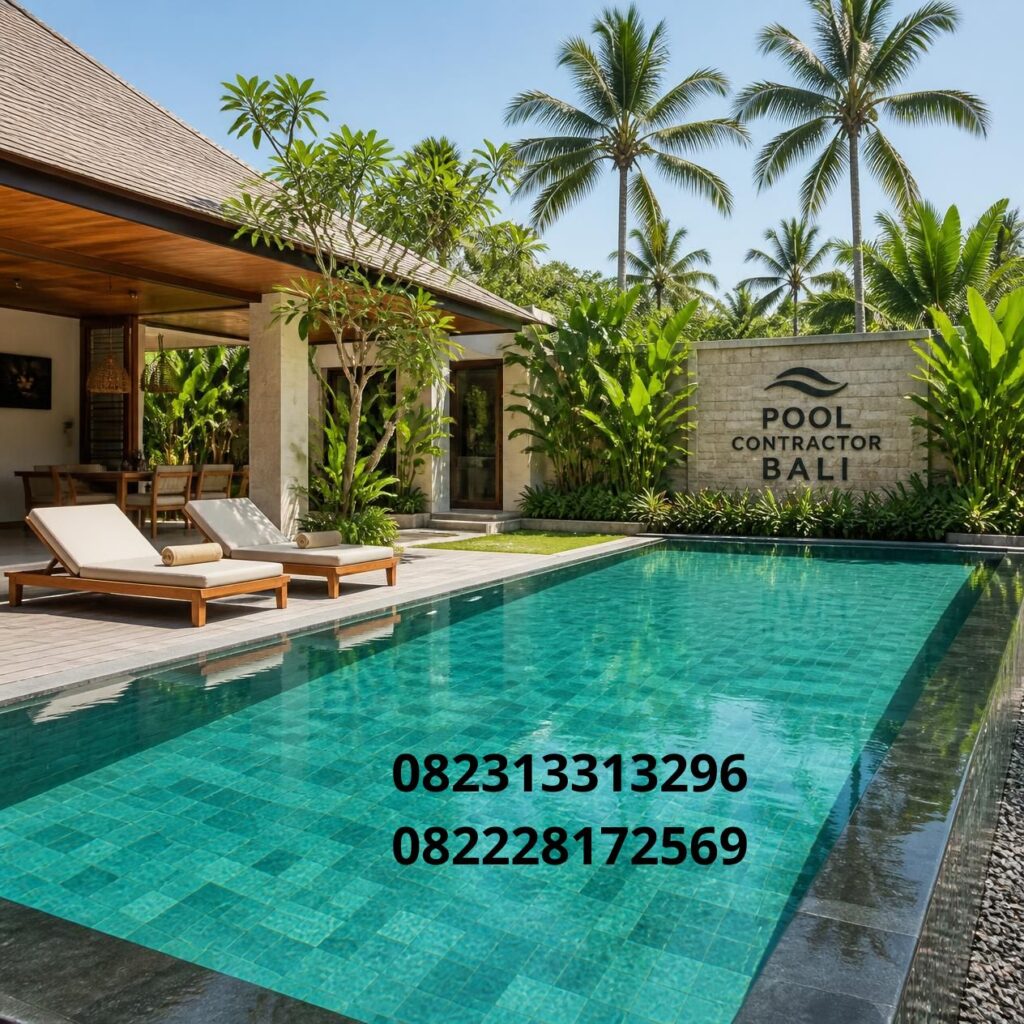
baca juga : https://arovabuild
Planning Pool Circulation
People need comfortable routes between buildings, decks, gardens, and pool areas. Therefore, circulation should become part of the design discussion.
A good layout can separate wet zones from interior spaces. Furthermore, it can create clearer routes for maintenance personnel.
Consequently, circulation planning improves both guest experience and operational efficiency.
Structural Planning for Pool Construction
Pool construction requires structural planning because water creates substantial loads. Therefore, the construction team must consider soil conditions and structural requirements.
The pool shell needs sufficient strength for its environment. Additionally, surrounding structures can influence the construction approach.
Understanding Ground Conditions
Ground conditions affect excavation and structural decisions. Therefore, the project team should assess the site before finalizing construction details.
Certain sites may present challenging soil or elevation conditions. Consequently, the structural strategy should follow actual site information.
A proper assessment can also support better drainage planning. This approach reduces technical uncertainty during construction.
Designing the Pool Shell
The pool shell forms the main structural body of the swimming pool. Therefore, the construction team needs accurate dimensions and reinforcement planning.
Furthermore, penetrations for drains and plumbing require coordination before concrete work. Early coordination helps prevent unnecessary structural modifications.
Consequently, structural planning should connect directly with plumbing and equipment requirements.
Waterproofing for Swimming Pools
Waterproofing plays an important role in pool construction. Therefore, the construction team needs to treat waterproofing as a dedicated technical stage.
The waterproofing system should follow the pool structure and selected finishing materials. Additionally, application requires proper surface preparation.
Preparing Pool Surfaces
First, workers need to prepare the pool surface according to the waterproofing system. The surface should support consistent application.
Furthermore, corners and penetrations require careful detailing. These areas often require additional attention during waterproofing work.
Therefore, the construction sequence should allow sufficient inspection before finishing. This process helps identify potential issues early.
Testing Waterproofing
After waterproofing work, the team can conduct appropriate testing. This step provides an opportunity to inspect the system before final finishes.
Consequently, testing should happen before tile or other decorative materials cover the surface. Early inspection simplifies corrective work.
Pool Plumbing and Water Circulation
Water circulation determines how the pool maintains cleanliness and water quality. Therefore, plumbing requires detailed planning during the design stage.
The system normally connects the pool, drains, pumps, filters, and return lines. Additionally, the design needs suitable access for maintenance.
Planning Drainage Points
Drain placement influences water circulation and cleaning. Therefore, designers need to determine drain positions according to pool dimensions.
Furthermore, drainage systems should support practical maintenance. Proper positioning can make routine cleaning more efficient.
Designing Return Lines
Return lines distribute treated water back into the pool. Therefore, their arrangement should support balanced circulation.
The design should consider pool shape and water movement. Consequently, return points can help reduce stagnant areas.
Coordinating Equipment Connections
Pool equipment requires clear plumbing connections. Therefore, the equipment room should have sufficient space for installation and maintenance.
Additionally, pipes should follow an organized route. This approach makes future inspection easier and reduces unnecessary complications.
Pool Filtration and Equipment
A swimming pool needs equipment that supports water circulation and treatment. Therefore, the equipment selection should match pool volume and usage patterns.
First, calculate the approximate water volume. Next, determine suitable pump and filtration capacity.
Furthermore, commercial properties may require different equipment strategies from private villas. Usage frequency can significantly influence equipment requirements.
Selecting Pool Pumps
The pump moves water through the circulation system. Therefore, its capacity should correspond with pool volume and system resistance.
An oversized pump may increase energy consumption. Conversely, insufficient capacity can affect circulation performance.
Consequently, proper calculation helps create a more balanced system.
Choosing Filtration Systems
Pool Contractor Bali – Filtration removes particles from circulating pool water. Therefore, the filter size should follow pool volume and expected usage.
Different systems provide different maintenance requirements. Consequently, owners should consider both initial installation and long-term maintenance.
Planning the Equipment Room
Pool Contractor Bali – The equipment room needs sufficient ventilation and maintenance access. Therefore, designers should avoid placing equipment in inaccessible locations.
Furthermore, the room should organize pumps, filters, valves, and control systems logically. This arrangement helps technicians perform inspections efficiently.
Choosing Pool Finishing Materials
Finishing materials determine the pool’s visual character. However, owners should also evaluate durability, cleaning requirements, and compatibility with the water environment.
First, consider the intended appearance. Next, evaluate technical characteristics and maintenance needs.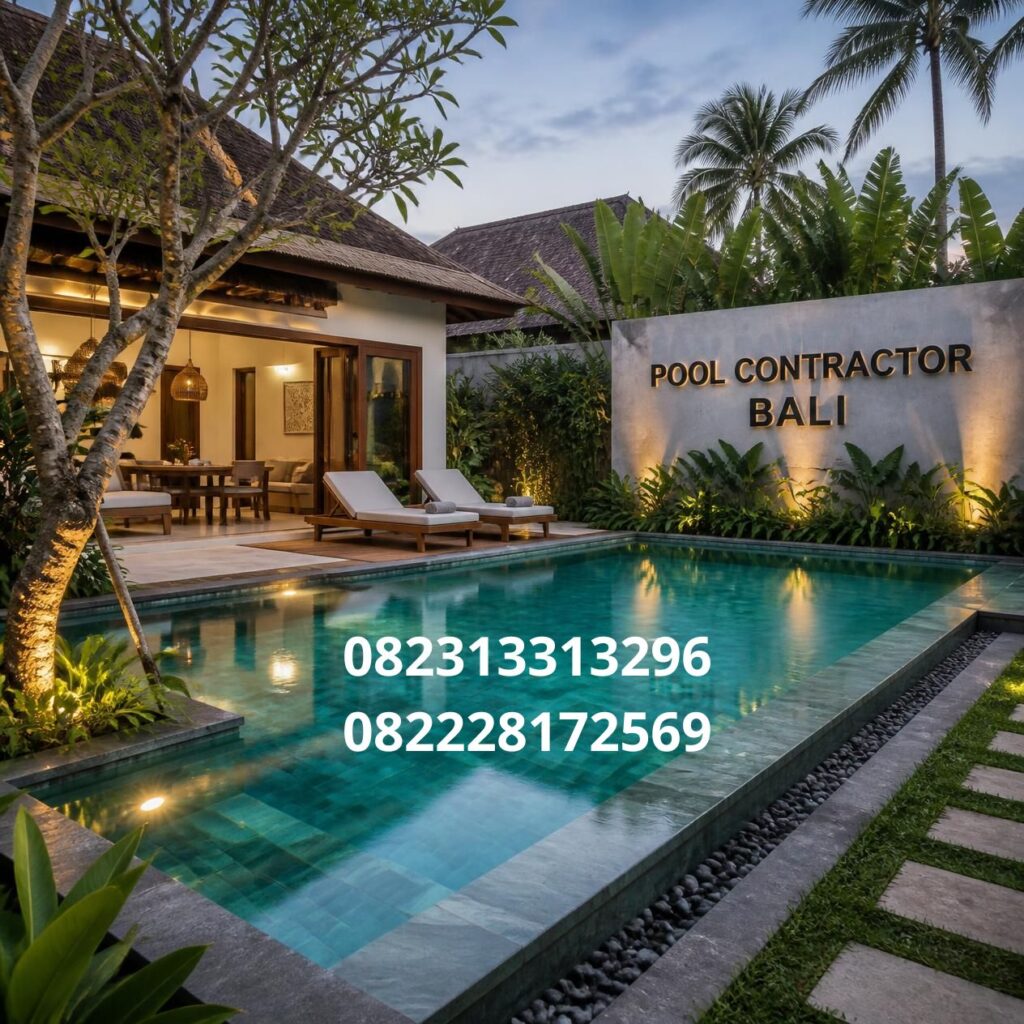
Pool Tiles
Pool tiles offer many colors, patterns, and surface options. Therefore, owners can select finishes that support the architectural concept.
However, the design should also consider grout maintenance. Smaller tile patterns may require more joints and cleaning attention.
Consequently, material selection should balance visual preferences with operational practicality.
Natural Stone
Pool Contractor Bali – Natural stone can create a strong tropical atmosphere. Therefore, it often works well with landscape-oriented Bali properties.
However, stone characteristics vary considerably. Some materials require additional maintenance or specific treatment.
Consequently, owners should discuss material suitability before final selection.
Pool Coping
Pool coping forms the transition between the pool and surrounding deck. Therefore, its design affects both appearance and usability.
The coping should create a comfortable edge around the pool. Additionally, designers should consider drainage and surface transitions.
Pool Deck and Outdoor Areas
The pool deck supports circulation and recreational activities. Therefore, its material needs suitable traction and weather resistance.
Furthermore, the deck should connect naturally with gardens and buildings. This connection creates a more coherent outdoor environment.
Selecting Deck Materials
Outdoor tiles, natural stone, concrete, and composite materials can provide different visual results. Therefore, selection should follow the project’s architectural concept.
However, surface texture also matters. A visually attractive material still needs appropriate outdoor performance.
Consequently, owners should consider safety, maintenance, appearance, and cost together.
Integrating Landscape Design
Landscape elements can soften the transition between pool and building. Therefore, plants, pathways, and seating areas should form part of the overall plan.
Tropical vegetation can strengthen the Bali atmosphere. However, plant selection should consider root behavior and maintenance requirements.
Furthermore, landscape planning should preserve access to technical equipment. This consideration prevents plants from blocking maintenance routes.
Pool Lighting Design in Bali
Lighting changes the pool’s appearance after sunset. Therefore, designers should plan lighting during the early design stage.
First, determine functional lighting requirements. Next, add decorative lighting where appropriate.
Underwater Lighting
Underwater lighting can create visual depth and improve nighttime visibility. Therefore, designers should position fixtures according to pool geometry.
Additionally, the electrical system needs suitable protection for wet environments. Technical coordination remains important throughout installation.
Landscape Lighting
Landscape lighting can highlight trees, pathways, walls, and architectural elements. Consequently, it can strengthen the property’s nighttime atmosphere.
However, excessive lighting can create glare. Therefore, the design should balance brightness with comfort.
Safety Considerations for Pool Construction
Safety should influence pool design from the beginning. Therefore, owners should consider access, depth changes, surfaces, lighting, and circulation.
Children may use family pools frequently. Consequently, designers should consider user profiles during planning.
Pool Entry Design
Steps or other entry solutions can provide controlled access. Therefore, the entry area should match the intended users.
Additionally, designers should make entry points easy to identify. Clear visibility can improve general pool awareness.
Surface Selection
Wet surfaces can become slippery. Therefore, designers should select appropriate materials for pool edges and surrounding decks.
Furthermore, surface transitions should avoid unnecessary level changes. This approach can support safer movement around the pool.
Building a Pool for Villa Rental Properties
Rental villas require different considerations from private residences. Therefore, owners should emphasize durability and operational simplicity.
Guests may use the pool more frequently. Consequently, materials and equipment need to handle repeated usage.
Designing for Frequent Use
Pool circulation and filtration need appropriate capacity. Additionally, surrounding surfaces should support frequent cleaning.
Furniture near the pool also requires durable materials. Therefore, owners should evaluate outdoor furniture based on expected usage.
Simplifying Maintenance
A rental pool needs straightforward maintenance procedures. Therefore, equipment should remain accessible to cleaning and maintenance personnel.
Furthermore, pool finishes should support routine cleaning. This approach can reduce unnecessary operational complexity.
Arovabuild as a Professional Solution Provider
Arovabuild works as a professional solution provider for construction and property development needs. Therefore, its approach can support projects that require coordinated planning.
Arovabuild operates from Surabaya, East Java. However, project requirements can vary according to location, property type, and construction scope.
For Bali projects, the team can discuss the site’s specific requirements before developing a suitable approach. This process helps align design, construction, and technical considerations.
Furthermore, owners can share property details before determining the next project stage. Information about location, pool dimensions, architectural style, and facilities can support initial discussions.
Practical Checklist Before Building a Swimming Pool
Before construction begins, owners should prepare several important items. Therefore, a checklist can help organize the initial discussion.
First, determine the pool’s intended function. Next, measure the available land and identify surrounding structures.
Furthermore, prepare architectural references and preferred material examples. Then, establish a preliminary budget range.
Owners should also consider equipment access and maintenance routes. Additionally, drainage and utility connections require early attention.
Finally, discuss the expected construction workflow with the contractor. This conversation can clarify project stages and technical responsibilities.
A swimming pool can become an important part of a Bali property. However, successful construction requires more than attractive visual design.
First, owners need to understand the site’s characteristics and intended pool function. Next, they should coordinate design, structure, plumbing, waterproofing, equipment, and finishing.
Furthermore, material selection should consider durability and maintenance. Pool decks, landscaping, lighting, and safety features also require early planning.
A professional Pool Contractor Bali can help coordinate these different requirements through a structured construction process. Nevertheless, every property needs an approach that matches its actual conditions.
Arovabuild provides professional construction solutions from Surabaya, East Java. The team can discuss project requirements based on location, concept, scope, and technical needs.
If you plan to build or renovate a swimming pool in Bali, you can start with an informative consultation. Share your property location, pool concept, approximate dimensions, and preferred facilities.
From there, the project team can help discuss suitable design directions and construction considerations. This early discussion can help you prepare the project with clearer technical information and realistic priorities.