Professional Builders Bali: Comprehensive Guide to Construction Services and Best Practices – arovabuild
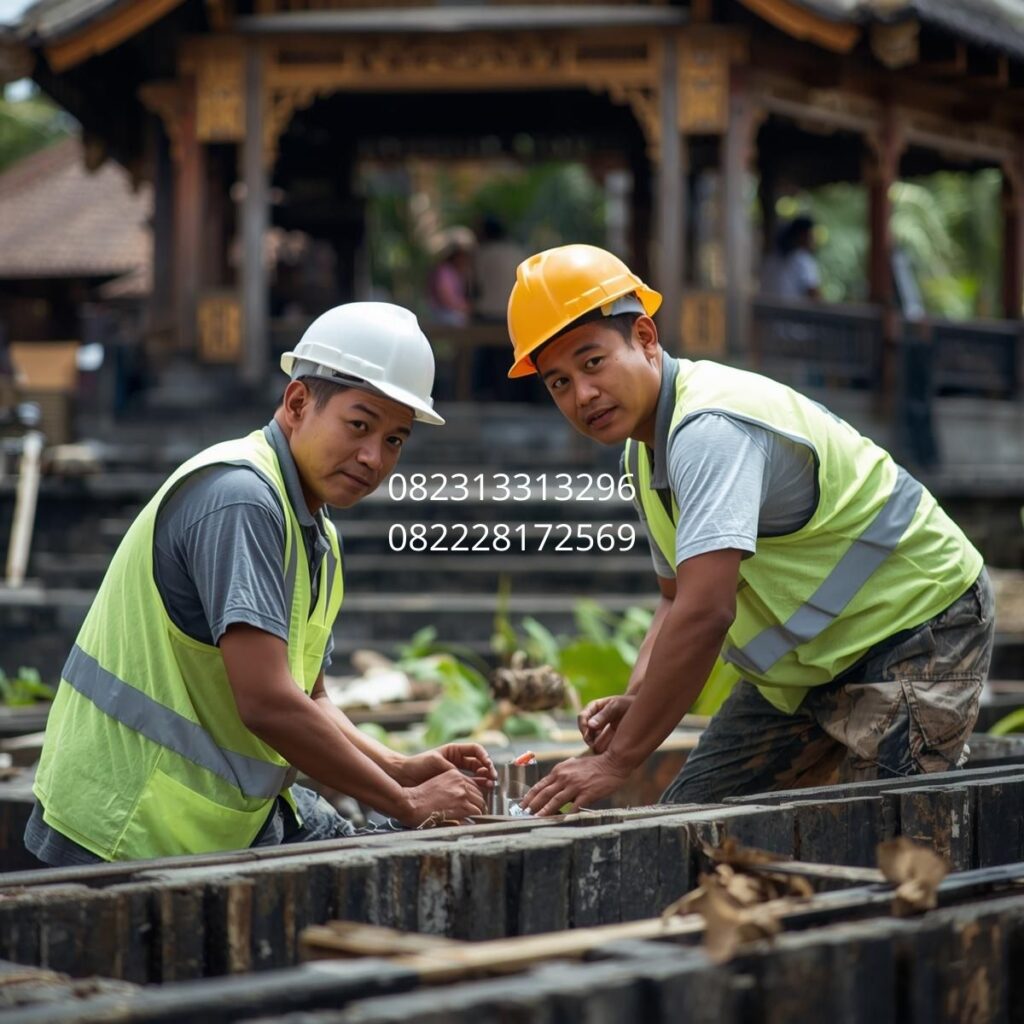
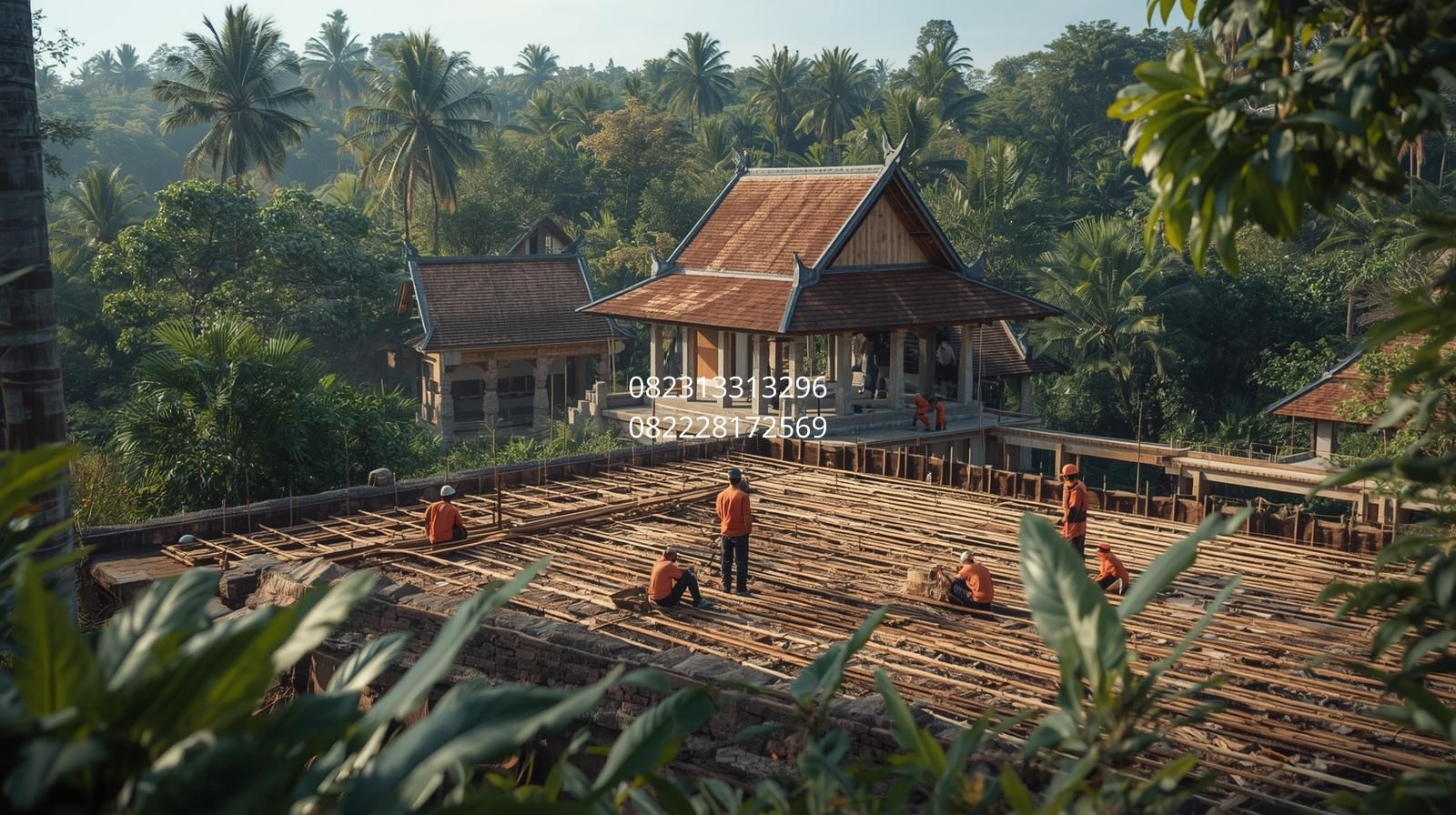
Professional Builders Bali – Firstly, Bali construction industry continues to grow alongside tourism and residential demand.
Moreover, developers focus on villas, resorts, and modern tropical homes.
Additionally, international investors drive higher design standards across projects.
Therefore, professional builders in Bali adapt quickly to global expectations.
However, local geography influences construction methods significantly.
Meanwhile, coastal zones require stronger corrosion resistance in structures.
In addition, hillside areas demand careful soil stability analysis.
Consequently, builders must combine engineering knowledge with local experience.
Chat on WhatsApp 1
Chat on WhatsApp 2
Market demand and client expectations
Firstly, clients expect aesthetic design and structural durability in Bali.
Moreover, they prioritize sustainable materials and energy efficiency solutions.
Additionally, digital visualization tools improve communication between stakeholders.
Therefore, builders integrate technology into early planning stages.
Meanwhile, luxury villa demand continues to rise across tourist zones.
In addition, long-term rental properties require efficient maintenance planning.
Consequently, builders design flexible structures for evolving market needs.
However, cost efficiency still remains a key decision factor.
Key Roles of Professional Builders in Bali Projects
Project planning and coordination roles
Firstly, professional builders manage project timelines from start to finish.
Moreover, they coordinate architects, engineers, and subcontractors effectively.
Additionally, they ensure design alignment with construction feasibility.
Therefore, planning accuracy reduces delays and cost overruns.
Meanwhile, communication plays a vital role in project success.
In addition, builders facilitate clear reporting between all parties.
Consequently, stakeholders maintain transparency throughout construction phases.
However, miscommunication can still create significant project risks.
Technical execution and site supervision
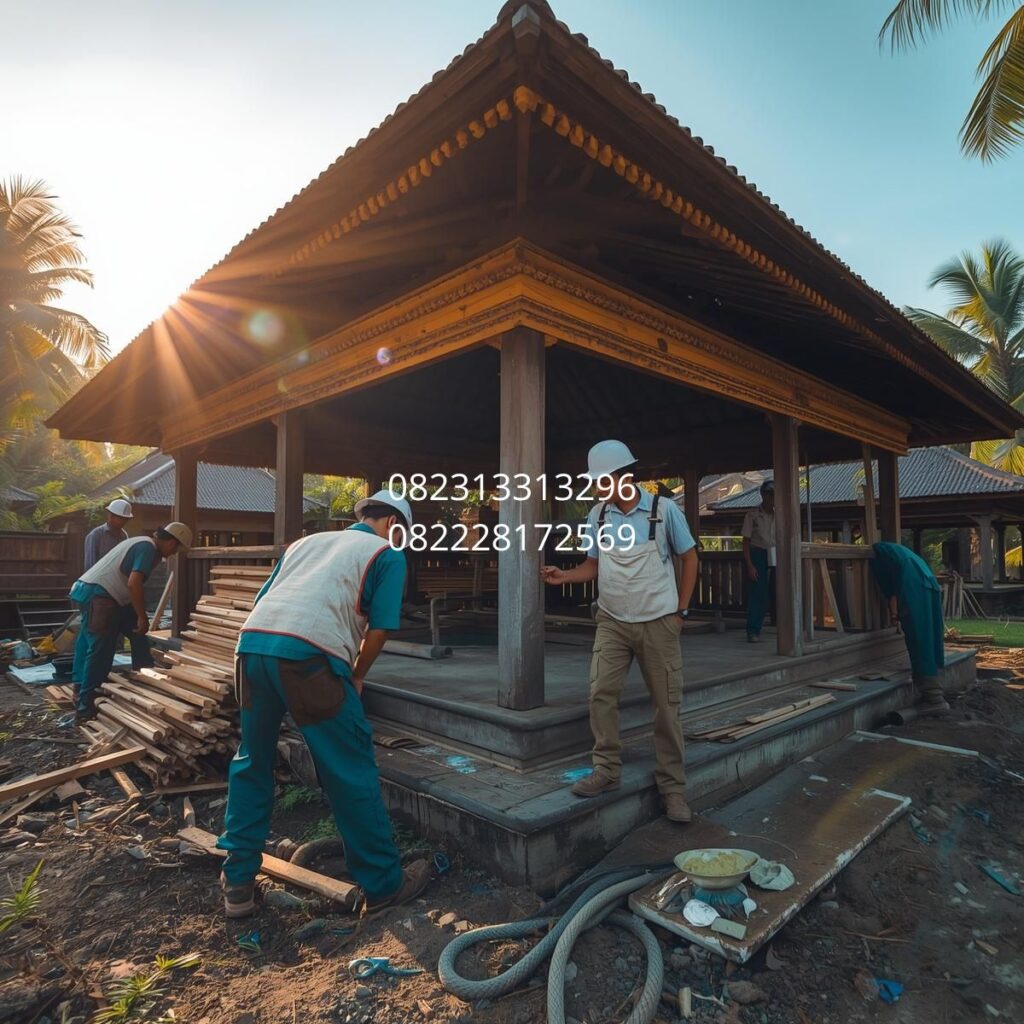
Professional Builders Bali – Firstly, builders supervise daily construction activities on-site.
Moreover, they monitor structural accuracy and workmanship quality.
Additionally, they ensure compliance with engineering drawings.
Therefore, supervision improves overall project reliability.
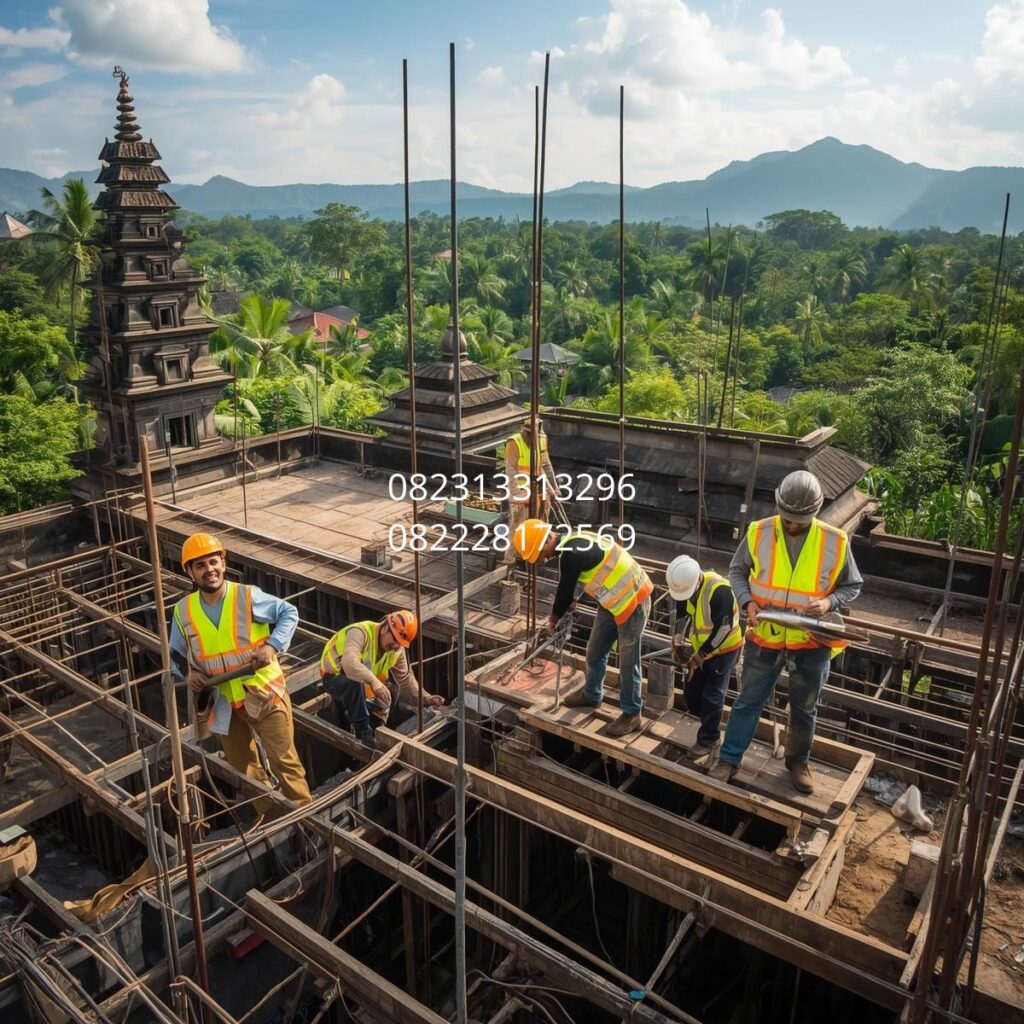
Meanwhile, safety management remains a top operational priority.
In addition, builders enforce strict site safety protocols.
Consequently, accident risks decrease significantly during execution.
However, continuous monitoring still remains essential.
Design and Planning Process in Bali Construction
Concept development and feasibility analysis
Firstly, architects and builders collaborate on initial design concepts.
Moreover, they evaluate land conditions and zoning regulations early.
Additionally, feasibility studies determine project viability accurately.
Therefore, planning reduces unexpected construction challenges.
Meanwhile, environmental factors influence design decisions strongly.
In addition, tropical climate requires proper ventilation systems.
Consequently, buildings maintain comfort without excessive energy use.
However, poor planning increases long-term operational costs.
Architectural design integration
Firstly, designers incorporate local Balinese elements into modern structures.
Moreover, they balance cultural aesthetics with functional layouts.
Additionally, 3D modeling improves visualization before construction begins.
Therefore, clients understand final outcomes more clearly.
Meanwhile, iterative design reviews refine project accuracy continuously.
In addition, feedback loops improve design alignment with expectations.
Consequently, construction teams reduce rework during execution.
However, design changes still require careful coordination.
Material Selection and Sustainability Considerations
Local and imported material usage
Firstly, builders select materials based on durability and availability.
Moreover, local stone and wood support traditional aesthetics.
Additionally, imported materials enhance modern architectural finishes.
Therefore, material blending creates balanced design outcomes.
Meanwhile, supply chain consistency affects project timelines.
In addition, procurement planning reduces material shortages effectively.
Consequently, construction progress remains stable and predictable.
However, global price fluctuations still impact budgeting.
Sustainable building practices
Firstly, sustainability drives modern construction decisions in Bali.
Moreover, builders integrate renewable energy systems into designs.
Additionally, water management systems reduce environmental impact significantly.
Therefore, eco-friendly construction supports long-term sustainability goals.
Meanwhile, green certification standards gain importance in luxury projects.
In addition, energy-efficient designs reduce operational expenses.
Consequently, property value increases over time.
However, initial investment costs remain higher.
Construction Management and Execution Standards
Workflow management systems
Firstly, builders implement structured workflows for efficiency.
Moreover, digital tools track project progress in real time.
Additionally, scheduling software improves coordination across teams.
Therefore, execution becomes more organized and predictable.
Meanwhile, milestone tracking ensures timely project delivery.
In addition, managers adjust resources based on progress data.
Consequently, productivity increases across construction phases.
However, external delays still affect schedules occasionally.
Quality assurance systems
Firstly, builders apply strict quality control checks.
Moreover, inspections occur at each construction stage.
Additionally, material testing ensures structural integrity.
Therefore, final output meets required standards.
Meanwhile, documentation supports accountability across teams.
In addition, audit processes identify potential improvements.
Consequently, long-term building performance improves significantly.
However, human error still requires attention.
Challenges in Bali Building Projects
Environmental and geographic constraints
Firstly, Bali’s terrain creates engineering challenges.
Moreover, coastal erosion affects foundation planning.
Additionally, seismic activity requires strong structural design.
Therefore, builders apply advanced engineering solutions.
Meanwhile, weather conditions influence construction schedules.
In addition, heavy rainfall slows down outdoor work.
Consequently, project timelines require flexible planning.
However, proper scheduling reduces disruption risks.
Labor and resource management issues
Firstly, skilled labor availability impacts project quality.
Moreover, training programs improve workforce capabilities.
Additionally, coordination between teams requires strong leadership.
Therefore, management efficiency determines project success.
Meanwhile, resource allocation affects construction speed.
In addition, material shortages create delays.
Consequently, procurement planning becomes essential.
However, contingency strategies reduce operational risks.
Regulatory and Permitting Framework in Bali
Building permits and compliance process
Firstly, builders must follow local regulations strictly.
Moreover, permits ensure legal construction approval.
Additionally, documentation supports regulatory transparency.
Therefore, compliance avoids legal complications.
Meanwhile, government standards evolve over time.
In addition, builders stay updated with new regulations.
Consequently, project approval becomes more efficient.
However, administrative processes may still take time.
Zoning and land use regulations
Firstly, zoning laws define construction boundaries.
Moreover, land classification affects building design.
Additionally, coastal restrictions limit certain developments.
Therefore, planning must align with regulations.
Meanwhile, consultation with authorities improves approval success.
In addition, early legal review reduces risks.
Consequently, development proceeds smoothly.
However, misinterpretation leads to delays.
Modern Architecture Trends in Bali Construction
Tropical minimalist design approach
Firstly, minimalist design gains popularity in Bali.
Moreover, open spaces enhance natural ventilation.
Additionally, large windows improve lighting efficiency.
Therefore, designs support healthy living environments.
Meanwhile, simplicity reduces construction complexity.
In addition, material efficiency lowers costs.
Consequently, projects complete faster.
However, design balance remains essential.
Smart home integration
Firstly, technology transforms modern buildings significantly.
Moreover, automation systems improve convenience.
Additionally, energy monitoring enhances efficiency.
Therefore, smart homes increase lifestyle quality.
Meanwhile, digital systems improve security control.
In addition, remote access features add flexibility.
Consequently, property value increases further.
However, maintenance requires technical expertise.
Cost Planning and Budget Strategies
Budget estimation methods
Firstly, accurate budgeting supports project stability.
Moreover, builders analyze material and labor costs.
Additionally, contingency funds cover unexpected expenses.
Therefore, financial planning reduces risks.
Meanwhile, transparent cost breakdown improves trust.
In addition, clients understand investment structure clearly.
Consequently, decision-making becomes easier.
However, market changes affect estimates.
Cost optimization techniques
Firstly, builders optimize resources efficiently.
Moreover, bulk purchasing reduces material costs.
Additionally, efficient scheduling minimizes labor expenses.
Therefore, projects stay within budget.
Meanwhile, value engineering improves design efficiency.
In addition, alternative materials reduce expenses.
Consequently, financial performance improves overall.
However, quality must remain consistent.
Quality Control and Safety Standards
Construction safety protocols
Firstly, safety training protects workers on-site.
Moreover, protective equipment reduces injury risks.
Additionally, supervisors enforce strict safety rules.
Therefore, workplace accidents decrease significantly.
Meanwhile, safety audits identify hazards early.
In addition, emergency procedures improve response time.
Consequently, construction sites remain secure.
However, continuous enforcement is necessary.
Structural quality assurance
Firstly, engineers inspect structural elements carefully.
Moreover, testing ensures material strength compliance.
Additionally, inspections validate construction accuracy.
Therefore, buildings achieve high durability standards.
Meanwhile, documentation ensures traceability of work.
In addition, corrective actions improve quality outcomes.
Consequently, long-term reliability increases.
However, precision remains critical.
Collaboration with External Contractors like Arovabuild Surabaya
Strategic collaboration approach
Firstly, collaboration enhances project efficiency across regions.
Moreover, specialized contractors bring additional expertise.
Additionally, coordination improves technical execution quality.
Therefore, partnerships strengthen project outcomes.
Meanwhile, communication ensures alignment between teams.
In addition, shared standards maintain consistency.
Consequently, workflow integration improves significantly.
However, coordination complexity requires strong management.
Role of Arovabuild in construction ecosystem
Firstly, Arovabuild operates as a professional solution provider.
Moreover, the company supports technical and structural project needs.
Additionally, its base in Surabaya Jatim strengthens regional collaboration.
Therefore, it contributes to broader construction networks in Indonesia.
Meanwhile, cross-regional expertise improves project adaptability.
In addition, technical teams support diverse construction challenges.
Consequently, project execution becomes more flexible.
However, coordination still requires structured communication systems.
How to Choose Professional Builders Bali
Evaluation of experience and portfolio
Firstly, clients review builder portfolios carefully.
Moreover, experience indicates project capability level.
Additionally, completed projects demonstrate technical skills.
Therefore, selection becomes more informed.
Meanwhile, client reviews provide additional insight.
In addition, reputation influences trust levels.
Consequently, decision-making becomes more reliable.
However, due diligence remains essential.
Technical and communication assessment
Firstly, communication skills affect project success.
Moreover, technical understanding ensures accurate execution.
Additionally, responsiveness improves collaboration efficiency.
Therefore, builders must balance both aspects.
Meanwhile, consultation meetings clarify expectations.
In addition, transparency strengthens working relationships.
Consequently, project alignment improves significantly.
However, misalignment risks remain possible.
Future of Construction Industry in Bali
Digital transformation in construction
Firstly, digital tools reshape construction processes.
Moreover, AI-based planning improves efficiency.
Additionally, virtual simulations enhance design accuracy.
Therefore, technology drives industry evolution.
Meanwhile, automation reduces manual workload.
In addition, data analytics optimize decisions.
Consequently, project outcomes improve consistently.
However, adaptation requires continuous learning.
Sustainable development direction
Firstly, sustainability shapes future construction priorities.
Moreover, eco-friendly materials gain wider adoption.
Additionally, renewable energy integration expands rapidly.
Therefore, green buildings dominate future trends.
Meanwhile, regulations support environmental protection.
In addition, awareness increases among developers.
Consequently, construction becomes more responsible.
However, balancing cost and sustainability remains challenging.
Practical Steps Before Starting a Construction Project in Bali
Initial consultation and requirement mapping
Firstly, clients need to define project goals clearly before construction begins.
Moreover, builders collect detailed requirements during early consultation sessions.
Additionally, site conditions and budget expectations guide initial planning.
Therefore, early clarity reduces misalignment during execution.
Meanwhile, communication between stakeholders improves decision accuracy.
In addition, technical discussions help refine project scope effectively.
Consequently, planning becomes more structured and realistic.
However, unclear objectives often slow down progress.
Site survey and land evaluation
Firstly, builders conduct direct site inspections before design finalization.
Moreover, they analyze soil conditions and environmental factors carefully.
Additionally, they evaluate access roads and utility availability.
Therefore, site readiness determines construction feasibility.
Meanwhile, survey data supports accurate engineering decisions.
In addition, topography analysis helps prevent structural risks.
Consequently, design adaptation becomes more precise.
However, overlooked site issues can increase costs later.
Importance of Communication in Construction Projects
Coordination between stakeholders
Firstly, construction success depends heavily on communication flow.
Moreover, builders coordinate with architects and engineers continuously.
Additionally, regular updates keep all teams aligned.
Therefore, communication reduces misunderstanding risks significantly.
Meanwhile, structured reporting systems improve transparency.
In addition, digital tools help track project updates efficiently.
Consequently, decision-making becomes faster and more accurate.
However, communication gaps may still occur without discipline.
Client involvement and feedback loops
Firstly, clients play an important role throughout the project lifecycle.
Moreover, builders involve clients during key decision stages.
Additionally, feedback sessions refine design and execution quality.
Therefore, collaboration improves overall project satisfaction.
Meanwhile, visual presentations help clients understand progress better.
In addition, revisions become easier when feedback is structured.
Consequently, final results match expectations more closely.
However, late changes can affect timelines.
Technology Integration in Modern Construction Systems
Digital design and modeling tools
Firstly, modern builders rely on advanced CAD and BIM systems.
Moreover, these tools improve accuracy in construction planning.
Additionally, 3D visualization helps detect design conflicts early.
Therefore, errors decrease significantly before execution begins.
Meanwhile, simulation tools test structural performance digitally.
In addition, digital models improve coordination between teams.
Consequently, workflow efficiency increases across all phases.
However, technology requires skilled operators for optimal results.
Project monitoring and smart tracking systems
Firstly, builders use real-time monitoring systems for project control.
Moreover, site progress gets recorded through digital dashboards.
Additionally, managers analyze data to improve efficiency.
Therefore, project visibility increases significantly.
Meanwhile, remote monitoring reduces supervision gaps.
In addition, automated reporting improves accountability systems.
Consequently, project delays become easier to detect early.
However, system integration requires proper setup and training.
Risk Management in Bali Construction Projects
Identifying potential construction risks
Firstly, builders assess risks before project execution begins.
Moreover, environmental, financial, and technical risks are analyzed carefully.
Additionally, historical data helps predict potential challenges.
Therefore, risk planning improves project stability.
Meanwhile, early detection reduces long-term complications.
In addition, scenario planning prepares teams for uncertainties.
Consequently, response strategies become more effective.
However, unexpected events still cannot be fully eliminated.
Mitigation strategies and contingency planning
Firstly, builders develop backup plans for critical project stages.
Moreover, alternative suppliers reduce material dependency risks.
Additionally, flexible scheduling accommodates unforeseen delays.
Therefore, mitigation planning protects project continuity.
Meanwhile, financial buffers support emergency adjustments.
In addition, resource reallocation improves adaptability.
Consequently, project disruption impact decreases significantly.
However, strong execution discipline remains necessary.
Regional Collaboration and Industry Synergy in Indonesia
Cross-island construction partnerships
Firstly, construction networks across Indonesia continue to expand.
Moreover, collaboration between regions improves knowledge sharing.
Additionally, specialized contractors support complex project demands.
Therefore, synergy strengthens national construction capability.
Meanwhile, regional expertise enhances design diversity.
In addition, material sourcing becomes more efficient.
Consequently, project quality improves across locations.
However, coordination across regions requires structured systems.
Contribution of Arovabuild Surabaya in collaboration ecosystem
Firstly, Arovabuild plays a supportive role in construction collaboration.
Moreover, the company contributes technical experience from Surabaya Jatim.
Additionally, it supports structural and project execution needs.
Therefore, it strengthens inter-regional construction synergy.
Meanwhile, collaboration improves knowledge exchange between teams.
In addition, project adaptability increases through shared expertise.
Consequently, construction efficiency improves across different regions.
However, coordination management remains a key success factor.
Long-Term Value of Professional Construction Planning
Property value and investment impact
Professional Builders Bali – Firstly, well-planned construction increases property value significantly.
Moreover, structural quality influences long-term market performance.
Additionally, design efficiency improves usability and appeal.
Therefore, planning directly impacts investment returns.
Meanwhile, location and execution quality shape buyer interest.
In addition, sustainable features attract modern investors.
Consequently, property competitiveness increases over time.
However, poor planning reduces asset value.
Conclusion
Firstly, Professional Builders Bali continue to evolve with modern demands.
Moreover, they integrate technology, sustainability, and design excellence.
Additionally, collaboration across regions strengthens construction quality.
Therefore, the industry maintains strong growth potential.
Meanwhile, strategic partners like Arovabuild support broader project ecosystems.
In addition, they contribute technical expertise from Surabaya Jatim.
Consequently, cross-regional synergy improves construction outcomes.
However, careful planning remains essential for success.
Finally, consider consulting experienced builders for project clarity and direction.
Moreover, discuss your requirements early for better planning results.
Therefore, informed decisions lead to stronger project execution.