Residential Interior Bali: A Complete Guide to Comfortable, Functional, and Timeless Living Spaces – arovabuild
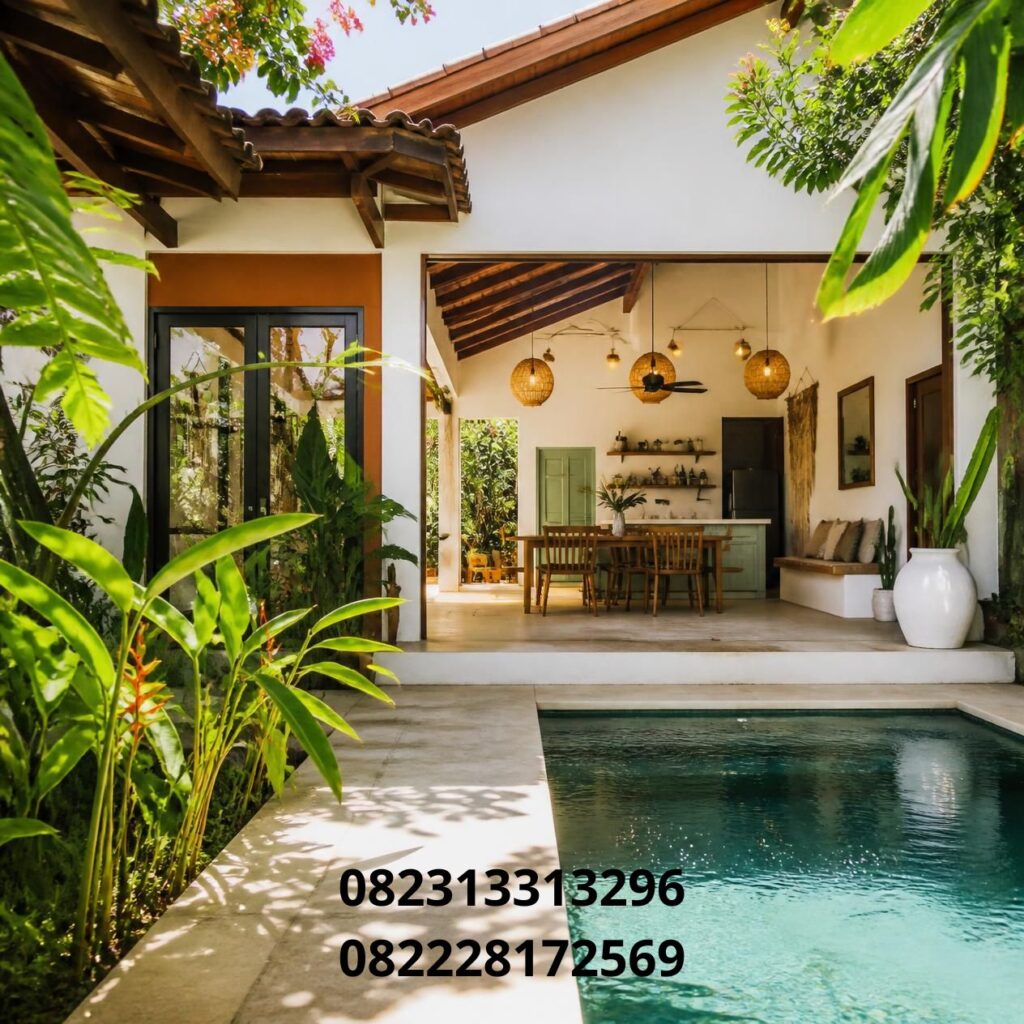
Residential Interior Bali – Bali has become one of the most attractive locations for residential property development. Homeowners value the island for its tropical atmosphere, natural beauty, and distinctive architectural character. However, creating a comfortable residence requires more than an attractive exterior. Interior design plays a significant role in improving daily living, functionality, and long-term property value.
A well-planned residential interior combines aesthetics with practical solutions. Moreover, thoughtful planning helps homeowners maximize every square meter while maintaining comfort throughout the year. Therefore, selecting the right interior approach becomes an essential part of every residential project.
This guide explains important aspects of residential interior design in Bali, including planning, design concepts, material selection, construction considerations, and practical recommendations for homeowners.
Chat on WhatsApp
Chat on WhatsApp
Why Residential Interior Design Matters
Interior design influences how people experience their homes every day. A carefully designed space improves comfort, supports daily activities, and creates a balanced living environment.
Additionally, proper planning allows every room to perform its intended function efficiently. As a result, homeowners enjoy better organization and improved usability without unnecessary renovations later.
A strong interior concept also contributes to long-term property value because buyers often appreciate functional and visually appealing homes.
Benefits of Professional Residential Interior Solutions
Professional planning provides several practical advantages throughout the project.
Improve Space Efficiency
Every room serves a clear purpose when designers organize the layout carefully.
Consequently, homeowners enjoy better movement and improved functionality.
Enhance Daily Comfort
Comfort depends on more than furniture selection.
Lighting, ventilation, circulation, and proportions all contribute to a pleasant living experience.
Increase Property Value
Quality interior improvements often increase market appeal.
Therefore, residential properties become more attractive for future buyers or investors.
Support Long-Term Durability
Proper material selection reduces maintenance requirements.
As a result, homeowners spend less time and money on future repairs.
Understanding Residential Interior Bali Design
Residential interiors in Bali often combine modern functionality with tropical influences.
Rather than following temporary trends, many homeowners prefer timeless solutions that remain attractive for years.
Natural lighting, open layouts, and strong connections with outdoor areas frequently define residential spaces across the island.
However, every project should respond to the homeowner’s lifestyle instead of following a single design formula.
baca juga : https://arovabuild
Key Principles of Residential Interior Planning
Successful interior projects begin with careful planning.
Define Lifestyle Requirements
Every family uses living spaces differently.
Therefore, designers should understand daily routines before developing concepts.
Maximize Natural Light
Natural light improves comfort while reducing daytime electricity consumption.
Large windows and thoughtful room orientation often support this objective.
Create Functional Circulation
Residents should move comfortably throughout the home.
Consequently, circulation paths deserve careful attention during layout development.
Maintain Visual Balance
Balanced proportions create comfortable interiors.
Additionally, consistent materials and colors improve overall harmony.
Popular Residential Interior Styles in Bali
Different homeowners prefer different design approaches.
Therefore, selecting the right concept depends on personal preferences and functional needs.
Tropical Modern
This style combines clean architecture with natural materials.
Large openings encourage better airflow throughout the house.
Contemporary Interior
Contemporary interiors emphasize simplicity and flexibility.
Neutral colors create calm environments while supporting future design updates.
Minimalist Residential Design
Minimalism removes unnecessary elements.
As a result, every furniture piece serves a practical purpose.
Natural Living Concept
Wood, natural stone, and organic textures create warm living environments.
Furthermore, greenery strengthens the relationship between indoor and outdoor spaces.
Interior Spaces That Deserve Special Attention
Every residential project contains areas with different functional priorities.
Living Room
The living room welcomes family members and guests.
Therefore, comfortable seating and flexible layouts improve everyday usability.
Kitchen
Modern kitchens support cooking efficiency.
Practical storage solutions also improve organization.
Dining Area
Dining spaces encourage family interaction.
Proper lighting creates a welcoming atmosphere during meals.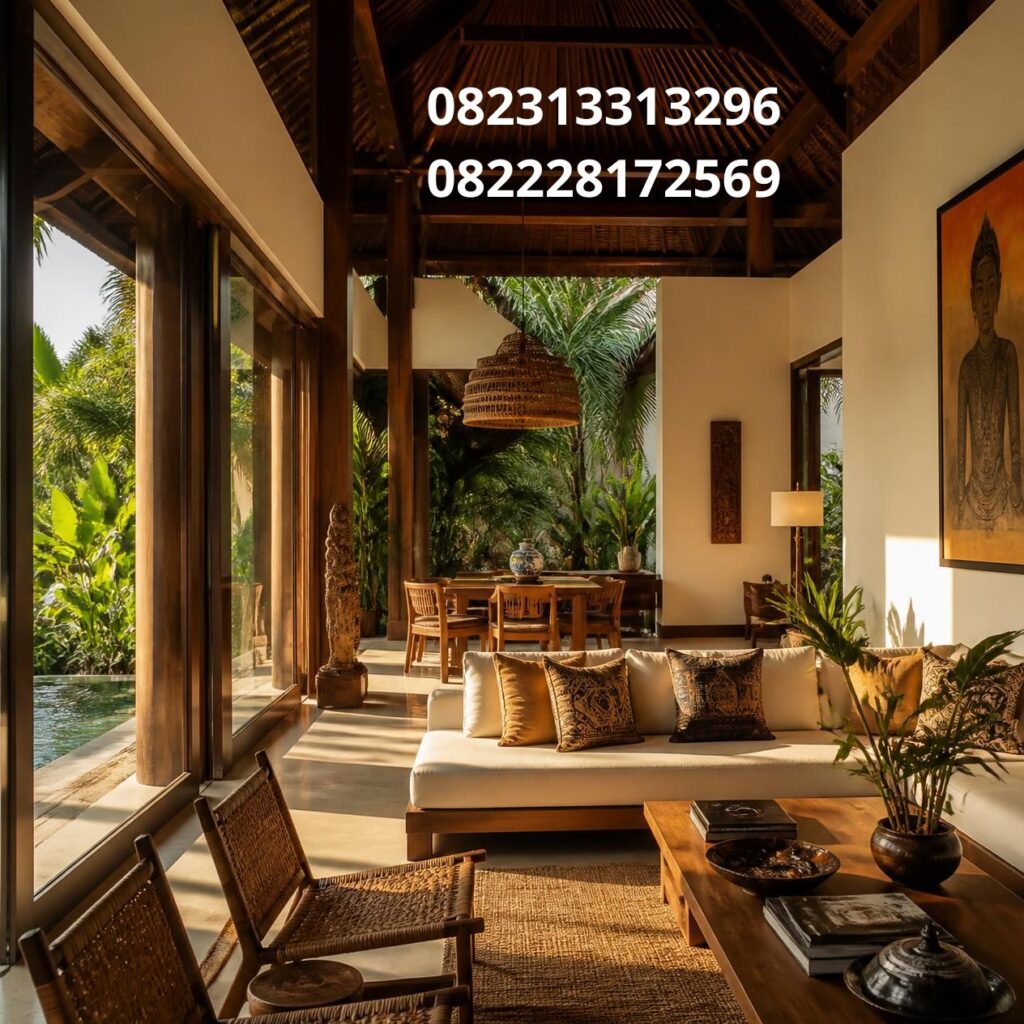
Bedrooms
Bedrooms should promote relaxation and privacy.
Comfortable furniture arrangements help achieve those objectives.
Bathrooms
Bathrooms require durable materials with excellent moisture resistance.
Proper ventilation also supports healthier indoor environments.
Choosing the Right Materials for Residential Interior Bali
Material selection directly affects durability, maintenance, and visual appeal. Therefore, homeowners should evaluate every option carefully before making final decisions.
Additionally, Bali’s tropical climate requires materials that perform well under changing humidity and temperature conditions.
Flooring Materials
Flooring provides comfort while supporting the overall design concept.
Porcelain tiles remain popular because they offer durability and simple maintenance.
Natural stone creates elegant interiors while strengthening the tropical atmosphere.
Engineered wood also delivers warmth without requiring excessive maintenance.
Wall Finishes
Wall finishes influence the character of every room.
High-quality interior paint offers flexibility and long-term performance.
Meanwhile, decorative panels introduce texture without overwhelming the design.
Natural stone accent walls create visual interest in selected areas.
Ceiling Design
Ceilings complete the overall appearance of residential interiors.
Simple ceiling profiles maintain clean architectural lines.
Furthermore, indirect lighting creates comfortable evening environments.
Furniture Materials
Furniture should balance aesthetics and functionality.
Solid wood remains a preferred option because it provides strength and timeless appeal.
Engineered materials also offer practical solutions for modern residential interiors.
The Residential Interior Design Process
A structured process helps homeowners achieve better results while minimizing unnecessary revisions.
Initial Consultation
Every project begins with understanding the homeowner’s expectations.
During this stage, designers discuss lifestyle, preferences, functional needs, and available budget.
Site Assessment
The design team evaluates existing conditions before preparing recommendations.
Measurements and technical observations provide accurate project information.
Concept Development
Designers translate client requirements into practical concepts.
Mood boards, layouts, and preliminary ideas help visualize the overall direction.
Space Planning
Efficient layouts improve comfort and movement.
Every room receives careful attention to maximize available space.
Material Selection
Material recommendations consider aesthetics, maintenance, durability, and budget.
Consequently, homeowners can compare alternatives before making decisions.
Design Presentation
Detailed drawings illustrate the proposed interior concept.
Three-dimensional visualizations also help clients understand the final appearance.
Project Implementation
Construction begins after design approval.
Regular supervision ensures every stage follows project specifications.
Final Inspection
The team reviews completed work carefully.
Minor adjustments receive immediate attention before project completion.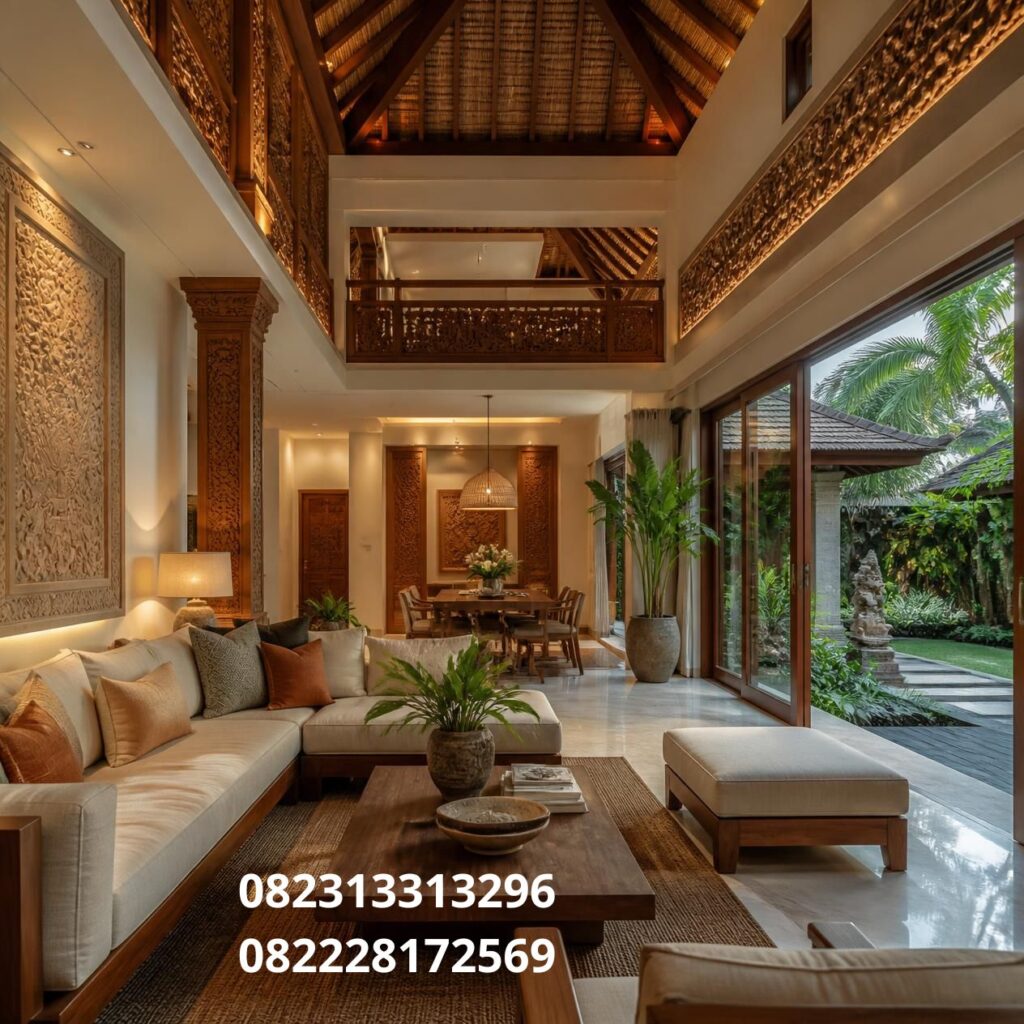
Important Considerations for Residential Interiors in Bali
Every location presents different environmental challenges.
Therefore, interior planning should respond to local conditions instead of following generic solutions.
Humidity Control
Humidity influences furniture, flooring, and wall finishes.
Proper ventilation helps maintain healthier indoor conditions.
Natural Ventilation
Fresh airflow improves comfort throughout the home.
Large openings often reduce dependence on mechanical cooling.
Sunlight Exposure
Sunlight creates bright living spaces.
However, excessive exposure may affect furniture and flooring.
Therefore, shading systems deserve careful planning.
Long-Term Maintenance
Easy-to-maintain materials reduce operational costs.
Consequently, homeowners enjoy better value throughout the building’s lifespan.
Common Interior Design Mistakes
Avoiding common mistakes helps homeowners achieve better project outcomes.
Ignoring Functional Needs
Beautiful interiors should also support everyday activities.
Function always deserves equal attention alongside appearance.
Selecting Materials Based Only on Price
Lower prices may appear attractive initially.
However, long-term durability often provides better overall value.
Poor Lighting Planning
Lighting influences comfort, safety, and atmosphere.
Therefore, designers should combine natural and artificial lighting effectively.
Overcrowding Interior Spaces
Too much furniture reduces comfort.
Instead, homeowners should prioritize balanced layouts with sufficient circulation.
Residential Interior Trends in Bali
Interior trends continue evolving alongside changing lifestyles.
Today, homeowners increasingly prefer flexible living spaces that support work, relaxation, and family activities.
Open-plan layouts remain highly popular because they improve communication and maximize natural light.
Meanwhile, sustainable materials continue attracting attention due to environmental awareness.
Smart home technology also integrates naturally into contemporary residential interiors without compromising aesthetics.
Furthermore, custom storage solutions help homeowners maintain organized and clutter-free living environments.
Sustainable Residential Interior Design
Sustainability has become an important consideration for many residential projects.
Energy-efficient lighting reduces electricity consumption.
Natural ventilation also minimizes dependence on air conditioning.
Additionally, environmentally responsible materials contribute to healthier indoor environments.
Designers increasingly prioritize durable products because longer service life reduces replacement frequency.
These practical decisions support both environmental responsibility and long-term cost efficiency.
The Value of Professional Interior Planning
Professional planning creates measurable benefits throughout every project.
Design decisions become more organized.
Construction processes become more efficient.
Material usage becomes more accurate.
Budget management also becomes easier through detailed planning.
Most importantly, homeowners receive living spaces that truly support their daily lifestyles.
Why Choose an Experienced Interior Solution Provider?
Every residential project presents unique requirements.
Therefore, experienced professionals understand how to balance design, functionality, budget, and construction quality.
Arovabuild is a professional provider of residential interior solutions with its business location in Surabaya, East Java. The company supports homeowners through consultation, design planning, and practical recommendations for residential projects in various regions, including Bali. This approach focuses on understanding each project’s specific requirements rather than offering one-size-fits-all solutions.
Budget Planning for Residential Interior Projects
Careful budget planning supports smoother project execution. Moreover, clear financial planning reduces unexpected expenses during construction.
Homeowners should establish realistic priorities before selecting finishes and furniture.
This strategy keeps the project aligned with both functional needs and financial goals.
Identify Project Priorities
Every renovation or interior project contains essential and optional components.
Therefore, homeowners should focus first on elements that directly improve comfort and functionality.
Afterward, decorative upgrades can follow according to the available budget.
Allocate Material Costs
Materials often represent a significant portion of the total investment.
Consequently, comparing quality, durability, and maintenance requirements helps create better purchasing decisions.
Reserve a Contingency Budget
Unexpected conditions sometimes appear during implementation.
Therefore, setting aside a contingency fund helps maintain project progress without unnecessary delays.
Quality Control Throughout the Interior Project
Quality control protects both the homeowner and the project outcome.
Regular inspections allow every stage to meet the required standards.
Furthermore, early evaluations reduce the possibility of expensive corrections later.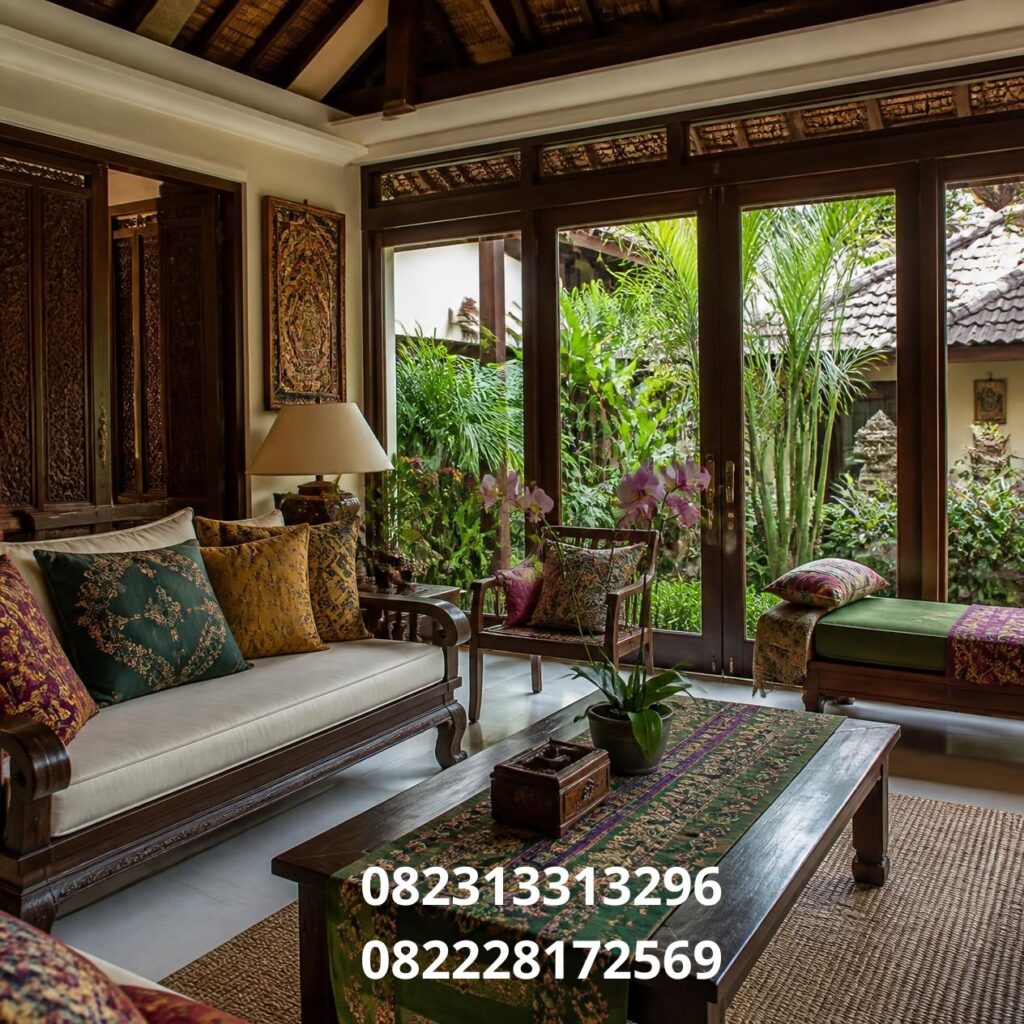
Verify Material Specifications
Delivered materials should match approved specifications.
This process ensures consistency throughout the project.
Monitor Installation Quality
Every installation requires careful attention.
Proper workmanship improves durability while maintaining the intended design appearance.
Review Project Progress
Routine progress evaluations help identify potential challenges early.
As a result, project adjustments become easier to implement.
Residential Interior Solutions for Different Home Types
Every residence requires a different design strategy.
Therefore, interior planning should always respond to the property’s size and function.
Private Houses
Private homes prioritize family comfort.
Flexible layouts support changing household needs over time.
Luxury Villas
Luxury villas often combine elegant interiors with premium materials.
Additionally, spacious layouts create stronger connections between indoor and outdoor living.
Holiday Homes
Holiday residences require practical interiors that remain easy to maintain.
Durable finishes also support long-term property management.
Compact Residences
Smaller homes benefit from efficient storage and multifunctional furniture.
Consequently, limited floor areas remain comfortable and organized.
Frequently Asked Questions
How long does a residential interior project usually take?
Project duration depends on design complexity, property size, and construction scope.
A detailed schedule provides better planning before work begins.
Can an existing home receive a completely new interior design?
Yes. Interior improvements can transform existing spaces without rebuilding the entire structure.
Designers usually recommend solutions after evaluating the property’s current condition.
What materials perform well in Bali’s tropical climate?
Durable flooring, moisture-resistant finishes, treated wood, and high-quality coatings generally perform well.
However, final selections should match each project’s specific environment.
Why is professional interior planning important?
Professional planning improves functionality, construction efficiency, and long-term value.
It also helps homeowners avoid costly design changes during implementation.
Residential Interior Maintenance Tips
A well-designed interior delivers better value when homeowners maintain it consistently. Therefore, regular maintenance should become part of long-term property management.
Simple maintenance routines also help preserve appearance while extending the lifespan of interior materials.
Clean Surfaces Regularly
Routine cleaning prevents dust and dirt from accumulating.
Additionally, clean surfaces maintain their original appearance for a longer period.
Protect Wooden Furniture
Wooden furniture requires appropriate care.
Using suitable cleaning products helps preserve texture and finish.
Furthermore, avoiding excessive moisture reduces the risk of material deterioration.
Inspect Interior Fixtures
Homeowners should inspect cabinets, doors, hinges, and hardware periodically.
Early maintenance prevents minor issues from developing into larger repairs.
Maintain Indoor Air Quality
Healthy indoor air improves daily comfort.
Proper ventilation and regular air circulation also help reduce humidity inside the house.
Future Trends in Residential Interior Bali
Residential interiors continue evolving alongside changing lifestyles and technological advancements.
Many homeowners now prioritize flexible spaces that support multiple activities throughout the day.
In addition, sustainable materials continue gaining popularity because they combine environmental responsibility with long-term durability.
Smart lighting, energy-efficient appliances, and integrated home technology also contribute to more comfortable living environments.
However, successful interior design still depends on balancing innovation with practical everyday needs.
The Importance of Collaboration Throughout the Project
Strong collaboration improves project efficiency from beginning to completion.
Homeowners, designers, contractors, and suppliers should communicate regularly throughout every stage.
Clear communication minimizes misunderstandings while supporting better decision-making.
Moreover, continuous coordination allows the project team to respond quickly whenever adjustments become necessary.
A successful Residential Interior Bali project requires thoughtful planning, practical design decisions, and careful material selection. Every design element should improve comfort, functionality, and long-term durability while reflecting the homeowner’s lifestyle.
Rather than following short-lived trends, homeowners should prioritize balanced layouts, quality materials, efficient lighting, and sustainable solutions. This approach creates living spaces that remain comfortable and visually appealing for many years.
Arovabuild is a professional provider of residential interior solutions with its business location in Surabaya, East Java. Through consultation, planning, and technical recommendations, Arovabuild supports homeowners who seek well-organized residential interior projects in Bali and other regions.
If you are planning a new residence or upgrading an existing home, discussing your ideas with an experienced team can help clarify design priorities, optimize your budget, and create an interior that supports everyday living without unnecessary complexity.