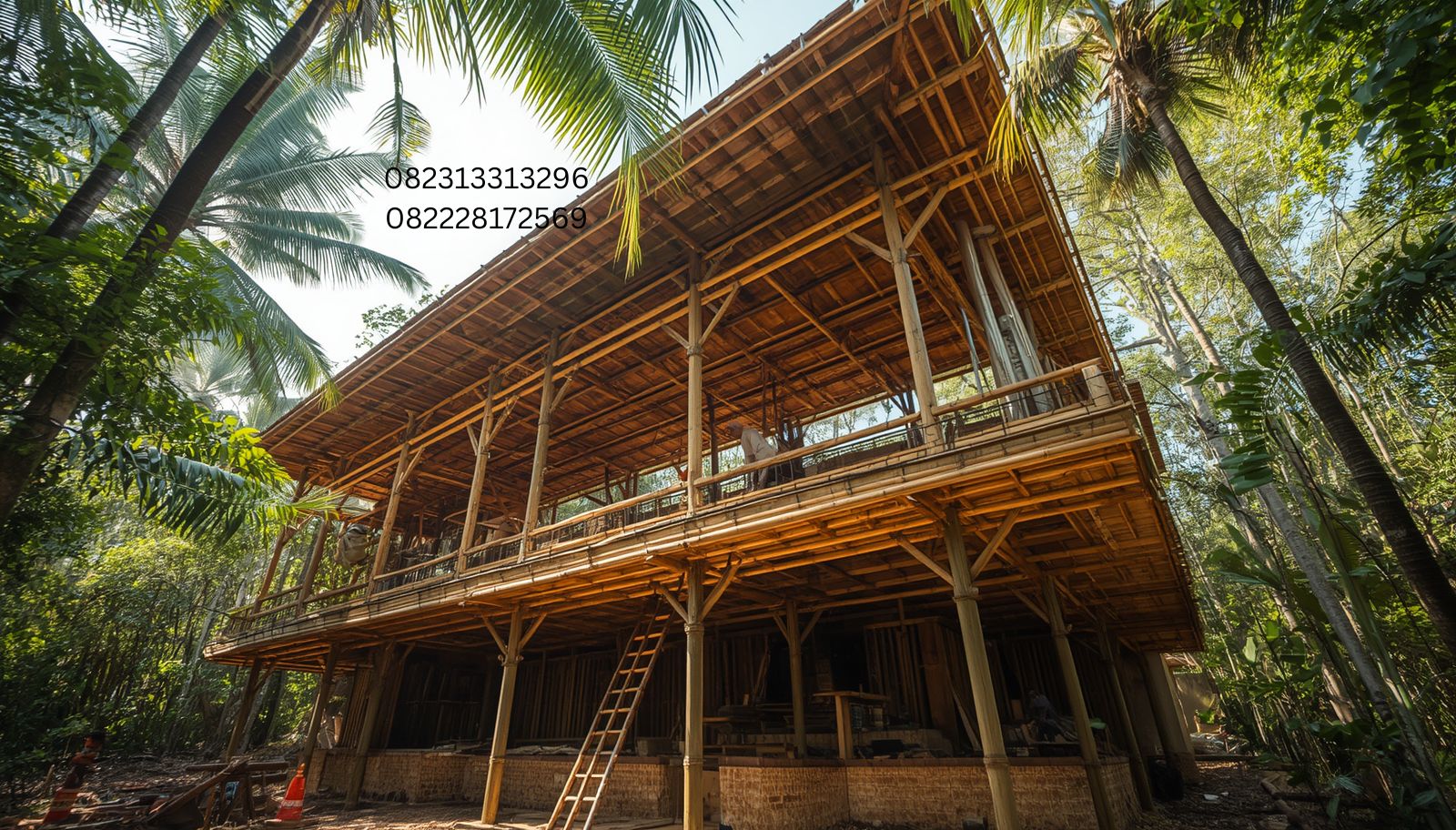
Structural Construction Bali – Professional Building Engineering Solutions for Modern Projects in Surabaya – arovabuild
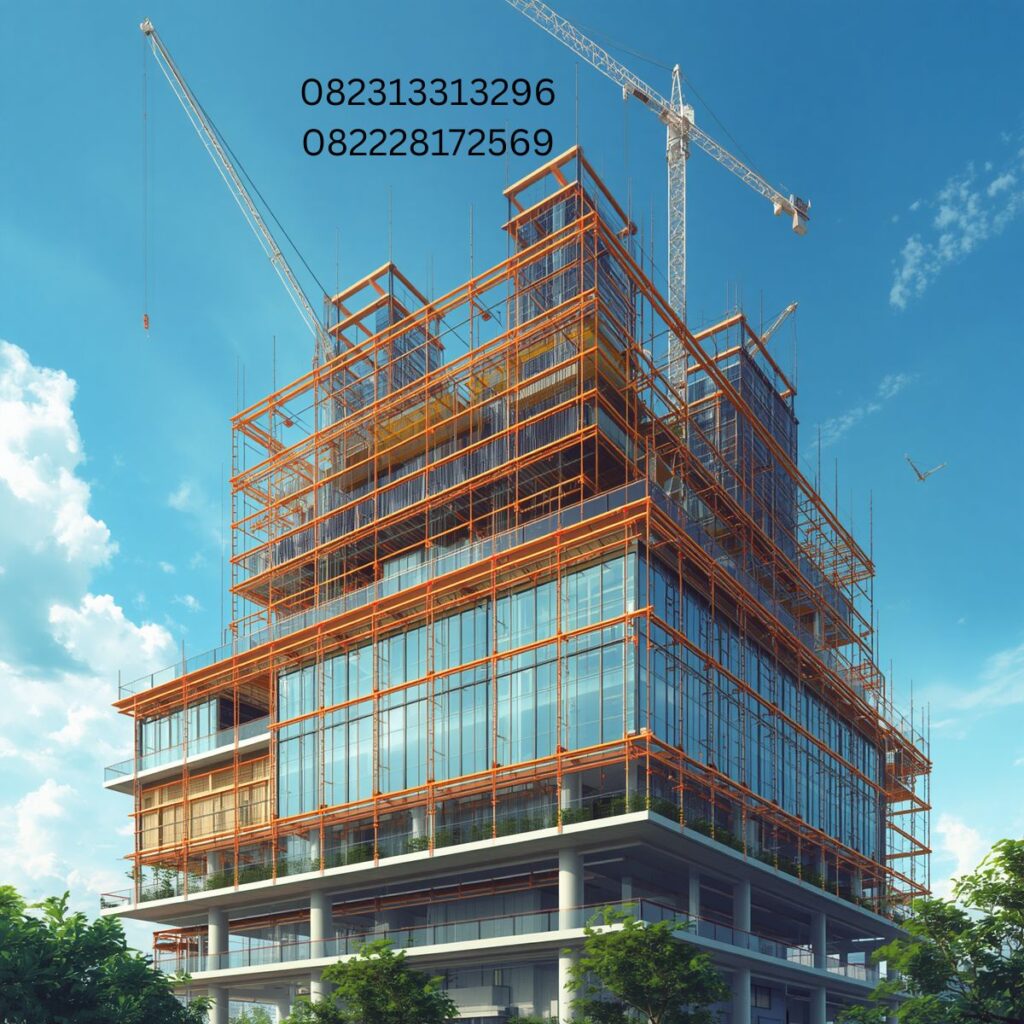
Structural Construction Bali – Structural construction is one of the most critical aspects of any building project because it forms the foundation that determines long-term strength, safety, and durability. Every modern structure, whether residential, commercial, hospitality, or industrial, depends heavily on structural engineering systems designed with precision and technical planning.
In modern construction projects, structural work goes beyond simply pouring concrete and assembling steel components. It involves detailed engineering calculations, material analysis, load distribution planning, foundation systems, seismic resistance considerations, and integration with architectural requirements.
Because of that, structural construction services have become increasingly important in large-scale developments, especially premium projects such as villas, resorts, luxury residences, and commercial properties.
As development continues expanding in Indonesia, professional structural construction planning becomes essential to ensure every project maintains safety standards while delivering long-term investment value.
The Importance of Structural Engineering in Building Projects
Foundation as the Core Structural Element
Every successful building begins with a strong foundation system. Foundations serve as the transfer point that distributes the entire building load into the ground below.
In addition, soil conditions vary significantly depending on project location. Structural engineers must evaluate soil bearing capacity before determining the most appropriate foundation system.
Because of that, foundation planning directly affects the long-term stability of the building.
As a result, detailed site analysis becomes one of the earliest and most important stages of structural construction.
Deep foundations may be required for larger buildings.
Meanwhile, smaller projects may rely on shallow foundation systems.
Because of that, engineering calculations must always be project-specific.
As a result, structural safety can be maintained throughout the building lifecycle.

Load Distribution Throughout the Structure
Every building continuously handles multiple forms of structural load during operation.
These include dead load from the building itself, live load generated by occupants and furniture, wind pressure, environmental movement, and seismic activity.
In addition, modern buildings often use open-span architecture that requires more complex structural support systems.
Because of that, engineers calculate load distribution carefully across beams, columns, slabs, and structural framing.
As a result, the building remains stable under continuous operational stress.
Poor load planning can create long-term structural weakness.
In addition, excessive structural movement may cause cracking or system failure.
Because of that, structural engineering accuracy is extremely important.
As a result, building performance remains reliable for decades.
Key Components in Structural Construction Projects
Reinforced Concrete Systems
Structural Construction Bali – Reinforced concrete remains one of the most widely used structural materials in modern construction.
Concrete provides compressive strength, while internal steel reinforcement handles tensile forces created by structural movement.
In addition, reinforced concrete offers flexibility for multiple building types including villas, hotels, residential developments, and commercial buildings.
Because of that, concrete systems continue to dominate modern structural engineering projects.
Concrete quality directly affects long-term durability.
In addition, curing methods influence final strength performance.
Because of that, strict quality control during casting becomes mandatory.
As a result, structural reliability remains consistent.
Structural Steel Framework
Steel construction systems are increasingly used for projects requiring larger spans, faster installation, and lighter structural weight.
In addition, steel provides high strength-to-weight efficiency compared to many traditional structural materials.
Because of that, modern architects often integrate structural steel into contemporary building design.
As a result, projects can achieve both engineering performance and aesthetic flexibility.
Steel structures require precise fabrication methods.
In addition, welding quality directly impacts structural integrity.
Because of that, fabrication processes must follow strict engineering standards.
As a result, the overall structure performs safely.
Structural Construction Process from Planning to Execution
Structura l Design and Engineering Analysis
Structural Construction Bali – The first stage begins with structural design calculations prepared according to project requirements.
Engineers study building dimensions, expected operational load, environmental conditions, and local structural requirements.
In addition, software simulation helps identify structural performance before physical construction begins.
Because of that, potential design weaknesses can be corrected early.
As a result, project efficiency improves significantly.
Engineering analysis also determines material specifications.
In addition, structural models help optimize overall construction cost.
Because of that, early design planning improves long-term efficiency.
As a result, unnecessary revisions are minimized.
Material Procurement and Quality Verification
Structural Construction Bali – Construction materials determine structural performance over many years.
In addition, each material must meet engineering specifications before being introduced to the project site.
Because of that, procurement systems require careful supplier management and inspection procedures.
As a result, material quality remains consistent.
Steel reinforcement, cement, aggregates, waterproofing systems, and structural connectors all require inspection.
In addition, improper storage conditions can reduce material performance.
Because of that, logistics management becomes part of structural quality control.
As a result, construction reliability improves.

Structural Construction Execution
Structural Construction Bali – After design approval and material preparation, the construction phase begins.
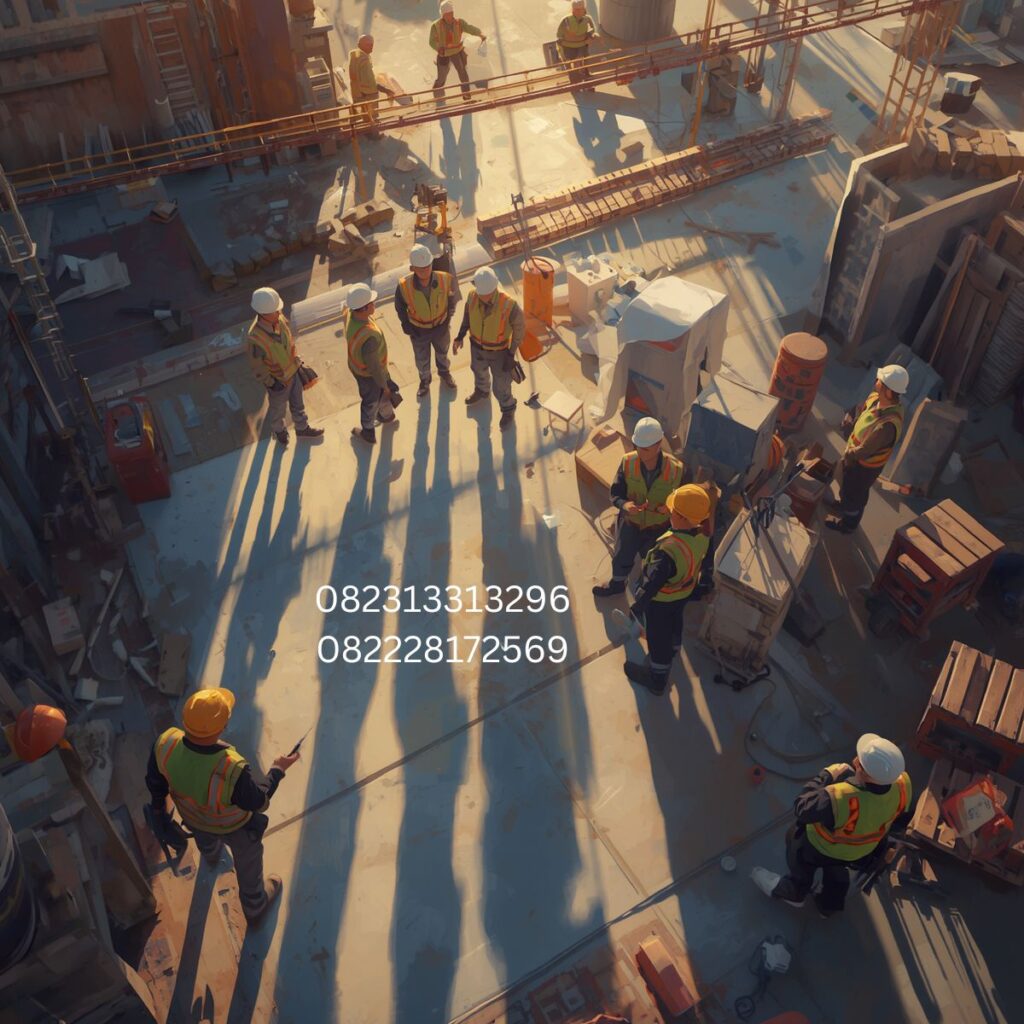
Construction teams follow detailed engineering drawings during structural assembly.
In addition, field supervision ensures every installation follows technical specifications.
Because of that, errors can be identified before they affect larger sections of the project.
As a result, construction quality remains controlled.
Structural work often follows sequential stages.
These include excavation, foundation work, reinforcement installation, concrete casting, framework assembly, and curing procedures.
Because of that, scheduling coordination becomes extremely important.
As a result, project timelines stay under control.
Challenges in Structural Construction Projects
Environmental and Site Conditions
Every construction site presents unique environmental conditions that influence structural planning.
Some locations have unstable soil composition.
Others face high rainfall intensity, coastal humidity, or difficult site access.
Because of that, engineers must adapt structural design according to local site characteristics.
As a result, long-term building performance improves.
Environmental factors directly affect foundation planning.
In addition, drainage systems may become part of structural considerations.
Because of that, site investigation becomes a priority before construction begins.
As a result, unexpected field problems can be reduced.
Maintaining Structural Precision During Construction
Small construction errors can create significant structural consequences over time.
Even slight deviations in reinforcement placement, concrete mixing ratio, or column alignment may reduce engineering performance.
In addition, structural correction after completion becomes expensive and time-consuming.
Because of that, field supervision must remain consistent throughout the project.
As a result, structural accuracy can be preserved.
Professional contractors rely on systematic inspection procedures.
In addition, project managers coordinate each technical team continuously.
Because of that, construction standards remain consistent.
As a result, final building quality improves substantially.
The Role of Arova Build in Structural Construction Projects
Arova Build operates as a construction solutions provider serving projects in Surabaya Jawa Timur while supporting modern building development requiring structured engineering execution and professional project management.
In addition, structural construction projects today require integrated coordination between engineering calculations, material selection, field supervision, construction sequencing, and long-term durability planning.
Because of that, professional structural management becomes essential for achieving successful project outcomes.
As a result, every building can maintain performance standards for years of continuous use.

Future of Structural Construction Technology
Construction technology continues evolving rapidly as projects demand higher efficiency, stronger materials, faster installation systems, and more advanced engineering analysis.
In addition, digital construction management systems now allow engineers to monitor structural progress with much higher precision.
Because of that, future structural construction projects will rely increasingly on technology-driven engineering systems.
As a result, building quality standards will continue improving globally.
Advanced modeling software allows early detection of engineering conflicts.
In addition, new material technology continues improving durability performance.
Because of that, structural engineering becomes increasingly sophisticated each year.
As a result, modern buildings become safer and more efficient.
Evolution of Structural Construction in Contemporary Architecture
The construction industry has experienced massive transformation over the last several decades. Traditional construction methods that once focused only on basic structural completion have evolved into highly sophisticated systems integrating engineering science, advanced material technology, project management systems, digital modeling, and long-term sustainability planning. Structural construction now plays a far more strategic role than simply supporting a building physically.
In modern architecture, structural engineering directly influences the safety, lifespan, efficiency, and investment value of a property. Whether the project involves luxury villas, hospitality developments, commercial centers, private residences, resorts, or mixed-use buildings, structural systems determine whether a building can perform safely under continuous operational conditions for many years.
In addition, property development trends continue moving toward larger open spaces, more complex architectural designs, taller structures, and environmentally adaptive construction systems. These modern design preferences create greater technical demands on structural engineering teams responsible for transforming architectural concepts into physically stable structures.
Because of that, structural construction requires multidisciplinary coordination involving architects, civil engineers, structural specialists, project managers, site supervisors, procurement teams, and quality control professionals. As a result, modern building development has become far more complex compared to conventional construction methods used in previous generations.
The increasing complexity of modern development projects has made professional structural planning one of the most important components of successful property construction worldwide.
Structural Engineering as the Backbone of Building Safety
Understanding Structural Load Management
Every building continuously experiences different forms of pressure during its operational lifetime. Structural engineers design systems specifically to manage and distribute these forces safely throughout the building framework.
The first category involves dead load, which includes permanent structural weight generated by concrete slabs, columns, walls, roofing systems, flooring materials, and all permanent building components. These loads remain constant throughout the life of the building.
The second category includes live load created by people, furniture, equipment, operational activity, vehicles, temporary installations, and movement occurring inside the structure on a daily basis.
In addition, environmental loads introduce additional stress into the building system. Wind pressure, seismic activity, thermal expansion, ground movement, rainfall accumulation, and surrounding environmental conditions all affect structural stability over time.
Because of that, engineers perform highly detailed calculations to ensure every structural component can distribute load safely under both normal operation and unexpected stress conditions.
As a result, buildings remain stable while protecting occupants throughout decades of use.
Structural Failure Prevention Through Engineering Precision
One of the most critical responsibilities of structural construction is preventing long-term structural failure caused by engineering mistakes during planning or execution stages.
Small design errors can create cumulative damage over time. Improper reinforcement placement, inaccurate column dimensions, insufficient beam support, poor foundation calculations, or low-quality concrete mixing can gradually weaken structural performance.
In addition, some structural failures may remain hidden during early building operation before becoming visible years later.
Because of that, structural engineers rely heavily on mathematical simulation models, field inspection systems, material testing, and quality verification procedures throughout every construction phase.
As a result, hidden engineering weaknesses can be identified before they become serious safety problems.
This level of precision separates professional structural construction systems from conventional building methods that rely heavily on field improvisation.
Foundation Engineering for Long-Term Stability
Soil Investigation Before Construction Begins
Every successful structural project begins below ground level. Soil conditions directly determine what type of foundation system engineers must design.
Different geographic locations present entirely different soil characteristics. Some sites contain dense stable soil capable of supporting heavy structural load near the surface.
Other locations contain soft soil conditions requiring deeper foundation systems capable of transferring building weight into stronger subsurface layers.
In addition, groundwater conditions can significantly influence foundation engineering design.
Because of that, professional construction projects begin with geotechnical investigation before structural calculations are finalized.
As a result, foundation systems match actual site conditions rather than relying on assumptions.
Soil investigation reduces long-term structural risk significantly.
In addition, early site analysis helps avoid expensive structural redesign later in the project.
Because of that, foundation engineering always begins with technical field analysis.
As a result, long-term building safety improves substantially.
Foundation System Selection
Foundation systems vary depending on structural load requirements and soil characteristics.
Shallow foundation systems are commonly used for smaller buildings when upper soil layers provide sufficient load-bearing capacity.
In contrast, deep foundation systems such as pile foundations become necessary for heavier structures requiring additional support beneath unstable upper soil layers.
In addition, premium villa projects often combine architectural aesthetics with complex terrain conditions requiring custom foundation engineering solutions.
Because of that, foundation selection becomes one of the most technically sensitive stages in structural planning.
As a result, the entire building benefits from improved stability throughout its lifespan.
Proper foundation design protects the building against settlement movement.
In addition, foundation accuracy directly influences alignment for all structural components above ground.
Because of that, early engineering precision becomes essential.
As a result, construction quality remains stable from beginning to completion.
Modern Structural Materials in High-End Construction
High Performance Reinforced Concrete Systems
Concrete remains one of the most important structural materials used worldwide due to its ability to withstand compressive force effectively.
Modern reinforced concrete combines cement, water, aggregate material, admixtures, and internal steel reinforcement bars to create highly durable structural systems capable of carrying significant load.
In addition, modern concrete technology now allows engineers to improve curing speed, reduce shrinkage cracking, increase compressive strength, and improve weather resistance.
Because of that, concrete technology continues evolving rapidly across premium construction projects.
As a result, structural systems become stronger while maintaining long-term durability.
Concrete production requires strict proportion control.
In addition, improper curing procedures may reduce final strength significantly.
Because of that, quality supervision remains critical throughout the concrete placement process.
As a result, final structural integrity remains consistent.
Structural Steel Integration in Modern Buildings
Structural steel has become increasingly important in modern construction due to its exceptional strength-to-weight ratio.
Steel structures allow architects to create larger open spaces with fewer supporting columns.
In addition, steel installation often moves faster compared to traditional reinforced concrete systems when fabrication is prepared accurately.
Because of that, many modern projects integrate hybrid structural systems combining steel and concrete together.
As a result, projects benefit from improved design flexibility and engineering performance.
Steel fabrication requires extremely precise manufacturing tolerances.
In addition, welding quality directly affects structural safety.
Because of that, fabrication facilities must maintain strict engineering standards.
As a result, steel performance remains reliable during long-term operation.
Digital Transformation in Structural Construction
Building Information Modeling Systems
Modern construction increasingly relies on digital coordination systems known as Building Information Modeling or BIM.
This technology allows engineers, architects, and contractors to build complete digital versions of projects before physical construction begins.
In addition, BIM allows conflict detection between structural systems, electrical systems, plumbing routes, mechanical installations, and architectural design components.
Because of that, design errors can be corrected during planning stages rather than during physical construction.
As a result, project efficiency improves significantly.
Digital modeling reduces unnecessary material waste.
In addition, coordination between multiple engineering disciplines becomes much easier.
Because of that, large construction projects increasingly depend on advanced software systems.
As a result, project accuracy continues improving across the industry.
Conclusion Structural Construction Bali
Structural Construction Bali – Structural construction forms the backbone of every successful building project by ensuring long-term strength, operational safety, and engineering reliability. From foundation planning and structural calculations to material procurement and on-site execution, every stage requires technical precision and professional project management.
In addition, modern construction projects continue demanding higher standards in both structural performance and overall project efficiency.
Because of that, professional structural construction services remain essential for modern developments including villas, hospitality projects, commercial buildings, and luxury residential properties.
As a result, well-executed structural engineering becomes a long-term investment that protects both property value and building performance for decades ahead.