Turnkey Construction Bali: Complete Guide to Integrated Building Solutions – arovabuild
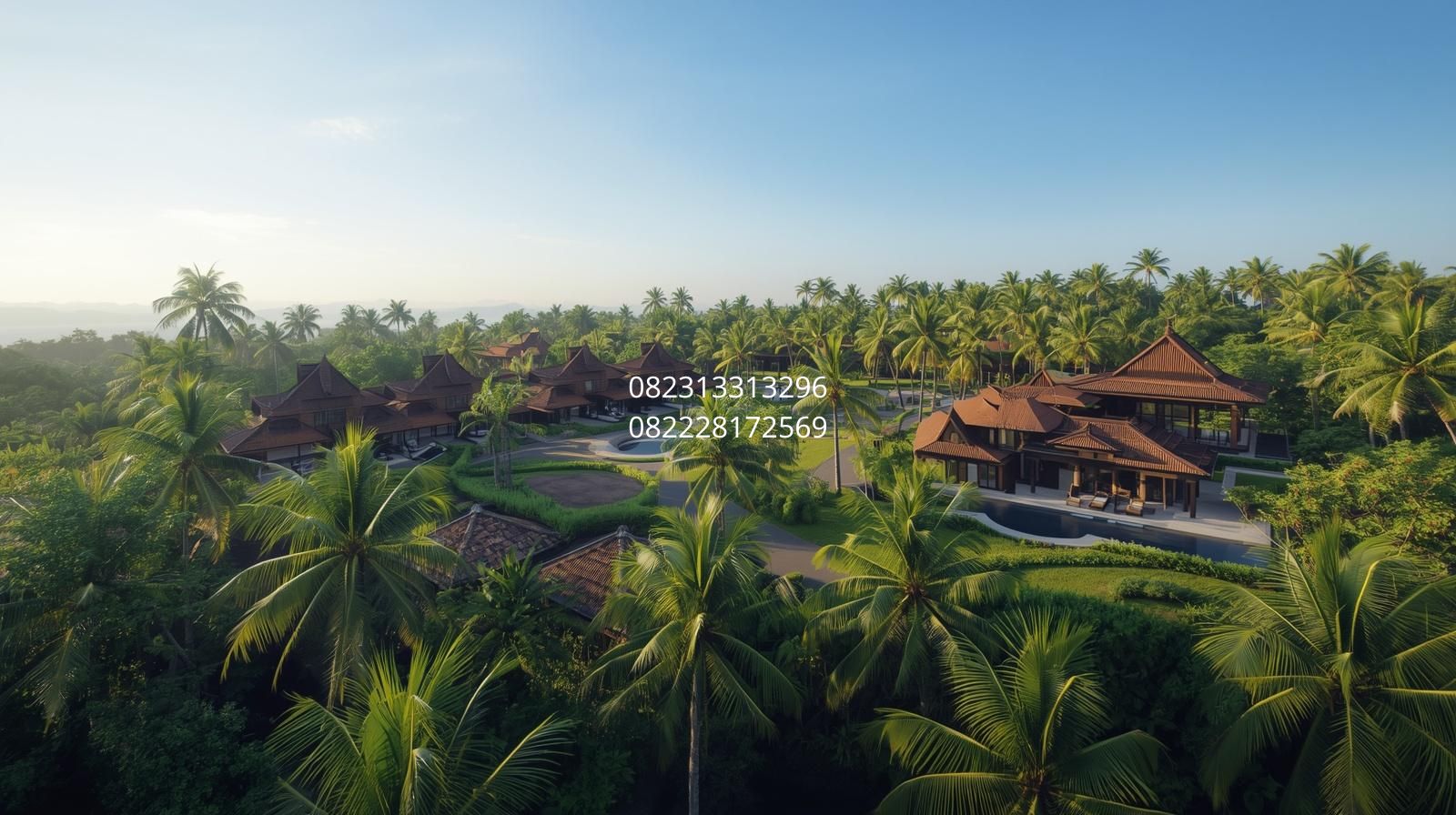
Turnkey construction Bali continues to grow as a modern project delivery method.
This approach simplifies building processes from concept to handover.
Moreover, clients gain efficiency through one integrated responsibility system.
Therefore, many developers now prefer this construction model in Bali.

Chat WhatsApp 1
Chat WhatsApp 2
Understanding Turnkey Construction in Bali
Turnkey construction refers to a fully managed building delivery system.
The contractor handles design, execution, and final handover stages.
Consequently, clients receive a ready-to-use building without coordination stress.
In Bali, this model fits residential and commercial development needs.
Basic Concept of Turnkey Construction
First, turnkey construction combines design and build under one contract.
This structure reduces miscommunication between designers and builders significantly.
Additionally, the project owner only interacts with one main contractor.
Thus, project control becomes more streamlined and predictable.
How the System Works in Practice
Typically, the contractor starts with concept development and feasibility studies.
Next, the team develops architectural and engineering plans in detail.
After that, construction teams execute the approved design on site.
Finally, the contractor delivers a fully completed functional building.
Why Bali Demands Turnkey Construction Approach
Bali presents unique environmental and cultural construction conditions.
Therefore, developers need adaptive and efficient project delivery systems.
Turnkey construction supports these needs through centralized coordination.
Moreover, it reduces delays caused by fragmented project management.
Tourism Driven Development Pressure
Bali experiences continuous growth in tourism infrastructure demand.
Hotels, villas, and resorts require fast and consistent delivery.
Consequently, turnkey systems help developers meet strict timelines.
In addition, quality control remains consistent across project phases.
Environmental and Regulatory Considerations
Bali enforces strict zoning and environmental regulations for development.
Therefore, construction teams must adapt planning and approval processes.
Turnkey contractors manage these requirements within one workflow system.
As a result, compliance becomes easier and more controlled.
Core Stages of Turnkey Construction Projects
Turnkey construction follows structured stages from start to finish.
Each phase supports smooth project execution and quality assurance.
Moreover, coordination across disciplines remains consistent throughout the process.
Thus, clients experience fewer disruptions during development.
Planning and Feasibility Stage
Initially, teams analyze site conditions and client requirements carefully.
Then, feasibility studies assess technical and financial viability.
Additionally, planners consider environmental impact and local regulations.
This stage builds a strong foundation for project success.
Design Development Stage
After planning, architects develop detailed design concepts.
Engineering teams then integrate structural and mechanical systems.
Furthermore, designers align aesthetics with functional requirements.
Consequently, the project achieves both visual and technical balance.
Construction Execution Stage
Next, construction teams begin physical development on site.
Project managers supervise timelines, materials, and workforce coordination.
Meanwhile, quality control teams monitor every construction detail.
Therefore, execution stays aligned with approved design plans.
Handover and Completion Stage
Finally, contractors complete finishing works and system testing.
They then conduct final inspections with project stakeholders.
After approval, the building transfers to the client fully operational.
Thus, the turnkey process concludes with ready-to-use facilities.

Design and Planning Considerations in Bali
Bali requires thoughtful design adaptation for climate and culture.
Therefore, planning must integrate local context and environmental factors.
Additionally, architects consider ventilation, sunlight, and tropical conditions.
This approach improves long-term building performance significantly.
Cultural Integration in Architecture
Balinese architecture influences modern construction design strongly.
Developers often integrate traditional elements into contemporary structures.
Moreover, this approach enhances cultural value and visual identity.
Consequently, buildings blend naturally with surrounding environments.
Climate Responsive Design Strategies
Bali’s tropical climate demands adaptive building strategies.
Designers prioritize airflow, shading, and heat reduction systems.
Furthermore, material selection focuses on durability and weather resistance.
Thus, buildings maintain comfort and efficiency year-round.
Site Analysis and Land Conditions
Every project begins with detailed site evaluation processes.
Engineers analyze soil conditions, slope, and drainage systems.
Additionally, planners assess accessibility and infrastructure availability.
Therefore, construction decisions rely on accurate field data.
Construction Execution and Site Management
Execution phase determines overall project quality and success.
Therefore, site management requires strict coordination and supervision.
Moreover, contractors maintain consistent communication across all teams.
This ensures smooth workflow throughout construction stages.
Workforce Coordination and Productivity
Construction managers organize teams based on specialized roles.
They assign tasks according to skill and experience levels.
Additionally, supervisors monitor daily productivity and progress.
Thus, project timelines remain under control.
Material Management and Logistics
Material delivery plays a critical role in construction efficiency.
Managers schedule procurement based on project phases.
Furthermore, logistics teams coordinate transportation and storage systems.
Consequently, delays and waste remain minimized.
Quality Control Systems
Quality assurance teams inspect every construction stage carefully.
They verify structural integrity and installation accuracy regularly.
Additionally, testing procedures ensure safety and compliance standards.
Thus, final output meets required specifications.
Budgeting and Cost Efficiency Factors
Turnkey construction supports better financial planning and control.
Clients receive clear cost structures from project beginning.
Moreover, integrated management reduces unexpected expenses significantly.
Therefore, budgeting becomes more predictable and stable.
Transparent Cost Estimation
Contractors prepare detailed cost breakdowns before execution.
They include materials, labor, and operational expenses clearly.
Additionally, clients review and approve financial planning early.
Thus, financial transparency improves decision confidence.
Value Engineering Approach
Teams apply value engineering to optimize project costs.
They evaluate alternative materials and construction methods carefully.
Furthermore, engineers maintain performance while reducing unnecessary expenses.
Consequently, projects achieve better cost efficiency.
Risk Management in Budgeting
Construction projects always involve financial risks.
Therefore, planners allocate contingency budgets for uncertainties.
Additionally, risk analysis identifies potential cost fluctuations early.
Thus, financial stability remains protected throughout execution.
Common Challenges in Bali Construction Projects
Construction in Bali faces several practical challenges.
These challenges require careful planning and adaptive strategies.
Moreover, turnkey systems help reduce operational complexity.
Therefore, project success depends on proactive management.
Material Availability Issues
Some materials require import or external sourcing.
This situation can affect project timelines significantly.
Therefore, procurement planning becomes extremely important.
Additionally, contractors maintain alternative supplier networks.

Weather and Seasonal Constraints
Heavy rainfall impacts construction schedules in Bali.
Therefore, teams adjust timelines based on weather patterns.
Furthermore, protective measures secure ongoing site work.
Thus, productivity continues despite environmental conditions.
Regulatory Approval Delays
Permits require coordination with local authorities.
This process sometimes extends project preparation time.
Therefore, experienced contractors manage documentation carefully.
Additionally, early submission reduces approval delays.
Choosing the Right Turnkey Construction Partner
Selecting the right contractor determines project success.
Therefore, clients must evaluate experience and capability carefully.
Moreover, communication quality influences project outcomes significantly.
Thus, decision-making requires thorough assessment.
Experience and Technical Expertise
Experienced contractors handle complex projects efficiently.
They understand local regulations and construction challenges.
Additionally, technical expertise ensures high-quality execution.
Therefore, experience becomes a critical selection factor.
Communication and Project Transparency
Clear communication improves project coordination significantly.
Clients must receive regular progress updates consistently.
Furthermore, transparent reporting builds trust between stakeholders.
Thus, collaboration becomes more effective.
Integrated Service Capability
Turnkey providers must offer complete service coverage.
This includes design, engineering, and construction execution.
Additionally, after-service support adds long-term value.
Therefore, integration improves overall project efficiency.
Role of Surabaya-Based Experts for Bali Projects
Surabaya-based firms contribute significantly to Bali construction development.
They bring industrial experience and technical capabilities.
Moreover, cross-regional collaboration improves project innovation.
Thus, expertise from mainland Java supports Bali growth.
Contribution from Professional Construction Firms
A strong example includes Arovabuild as a professional provider.
The company delivers integrated construction solutions across regions.
Additionally, it applies structured workflows for project efficiency.
Therefore, it supports Bali developments with reliable systems.
Logistics and Coordination Advantages
Surabaya offers strong industrial supply chain access.
This advantage supports material distribution to Bali efficiently.
Furthermore, coordination between regions improves project speed.
Thus, logistical strength enhances construction performance.
Knowledge Transfer and Innovation
Cross-regional teams share technical knowledge actively.
They introduce modern construction methods and technologies.
Additionally, innovation improves design and execution quality.
Therefore, collaboration strengthens industry development.
Future Trends in Bali Construction Industry
Bali construction industry continues evolving rapidly.
New technologies influence design and execution methods.
Moreover, sustainability becomes a key development focus.
Thus, future projects will emphasize efficiency and responsibility.
Sustainable Building Practices
Developers adopt eco-friendly materials increasingly.
They also design energy-efficient building systems.
Furthermore, green architecture reduces environmental impact.
Therefore, sustainability shapes future construction direction.
Digital Construction Technologies
BIM and digital modeling improve project accuracy.
Teams simulate designs before physical construction begins.
Additionally, digital tools enhance coordination efficiency.
Thus, technology reduces construction errors.
Smart Building Integration
Modern buildings integrate automation systems increasingly.
These systems control lighting, security, and energy use.
Furthermore, smart technology improves user comfort significantly.
Therefore, buildings become more adaptive and efficient.
Practical Applications of Turnkey Construction in Bali
Turnkey construction applies across many building types in Bali.
Developers use this model for residential and commercial projects.
Moreover, it supports hospitality growth in tourism-driven areas.
Thus, flexibility becomes a key advantage of this system.
Private Villas and Luxury Homes
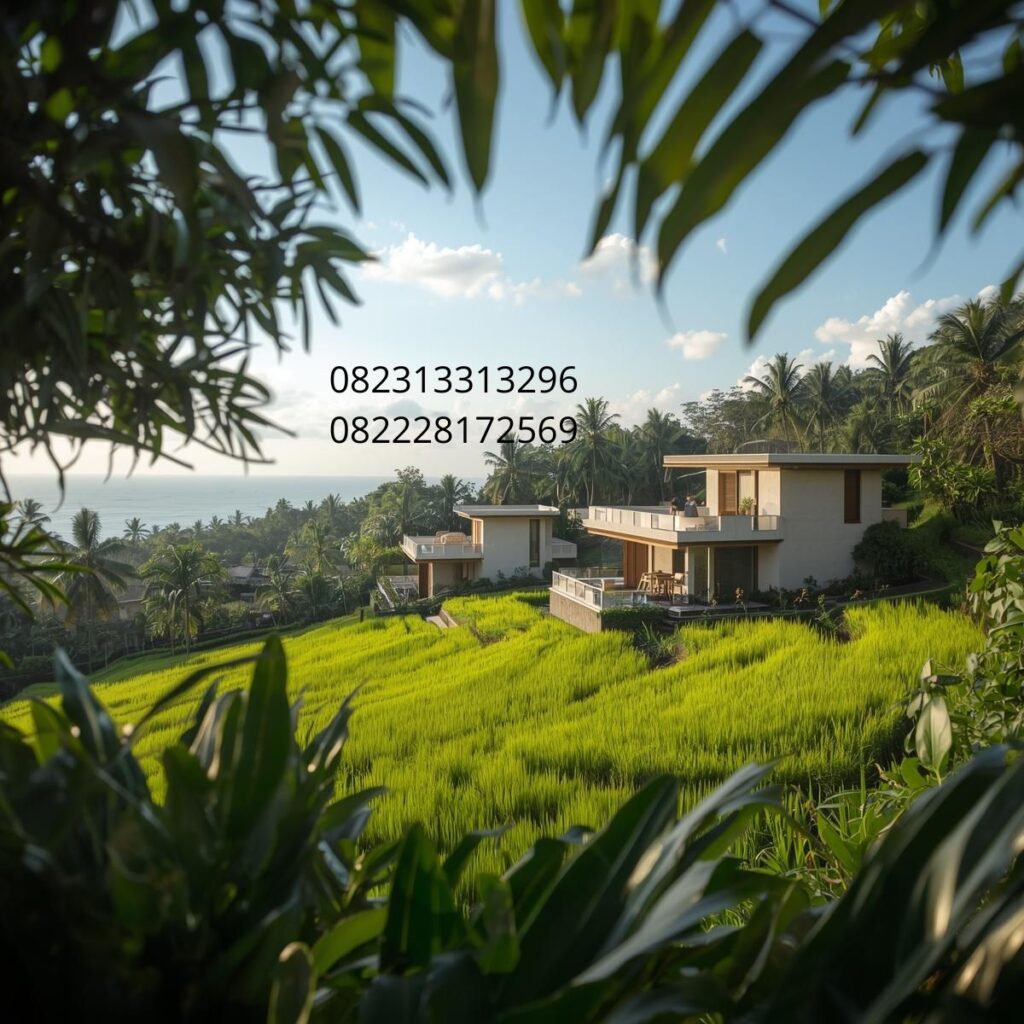
Villa development dominates Bali’s private property sector.
Turnkey systems help owners simplify complex construction processes.
Additionally, teams manage design consistency from start to finish.
Consequently, villa projects achieve faster completion timelines.
Hotels and Resort Developments
Hospitality projects require strict quality and timeline control.
Turnkey contractors coordinate large-scale operations efficiently.
Furthermore, they manage multiple technical systems simultaneously.
Thus, hotels achieve operational readiness faster.
Commercial and Mixed-Use Buildings
Commercial spaces demand functional and aesthetic balance.
Turnkey teams integrate business needs into architectural design.
Additionally, they optimize layouts for usability and flow.
Therefore, buildings support both business and customer experience.
Material Selection Strategy in Bali Construction
Material selection strongly influences building durability in Bali.
Therefore, contractors evaluate environmental suitability carefully.
Moreover, tropical conditions demand long-lasting materials.
Thus, strategic selection reduces maintenance costs.
Local vs Imported Materials
Builders often combine local and imported materials.
Local materials reduce cost and support sustainability goals.
Meanwhile, imported materials offer higher technical performance.
Therefore, balance improves both efficiency and quality.
Durability in Tropical Climate
High humidity affects material lifespan significantly.
Contractors choose moisture-resistant and anti-corrosion materials.
Additionally, proper treatment enhances structural resilience.
Thus, buildings maintain strength over time.
Aesthetic Material Integration
Design teams align materials with architectural themes.
They combine natural textures with modern finishes.
Furthermore, visual harmony improves building identity.
Therefore, aesthetics support functional design goals.
Project Timeline Optimization Techniques
Time management plays a crucial role in construction success.
Turnkey systems help control scheduling more effectively.
Moreover, structured planning reduces unnecessary delays.
Thus, projects maintain consistent progress.
Critical Path Planning
Project managers identify key construction milestones early.
They prioritize tasks that affect overall completion.
Additionally, teams monitor dependencies between activities.
Therefore, workflow remains efficient and organized.
Parallel Task Execution
Contractors run multiple tasks simultaneously when possible.
This approach shortens total project duration significantly.
Furthermore, coordination ensures no workflow conflicts occur.
Thus, productivity increases across all teams.
Real-Time Progress Monitoring
Supervisors track progress using digital reporting systems.
They adjust schedules based on field conditions.
Additionally, updates improve decision-making accuracy.
Therefore, management stays responsive and adaptive.
Risk Control in Turnkey Construction Projects
Every construction project contains potential risks.
Turnkey systems reduce these risks through integration.
Moreover, centralized control improves response time.
Thus, risk management becomes more effective.
Technical Risk Prevention
Engineers review structural designs before execution.
They detect potential design conflicts early.
Additionally, simulations help prevent construction errors.
Therefore, technical reliability increases significantly.
Financial Risk Reduction
Budget control systems monitor expenses continuously.
Teams adjust procurement strategies when needed.
Furthermore, cost tracking prevents overspending.
Thus, financial stability remains protected.
Operational Risk Management
Site managers monitor safety and workflow daily.
They enforce construction safety standards strictly.
Additionally, training improves worker awareness.
Therefore, accidents and delays decrease.
Technology Integration in Modern Construction
Technology transforms construction efficiency in Bali.
Turnkey contractors adopt digital tools widely.
Moreover, automation improves accuracy and speed.
Thus, projects benefit from modern innovation.
Building Information Modeling (BIM)
BIM creates detailed digital building representations.
Teams visualize construction before physical work begins.
Additionally, coordination improves across disciplines.
Therefore, errors reduce significantly during execution.
Construction Management Software
Digital platforms track progress and resources.
Managers access real-time project data easily.
Furthermore, communication becomes faster and clearer.
Thus, coordination improves across teams.
Smart Monitoring Systems
Sensors monitor structural performance during construction.
They detect potential issues early on site.
Additionally, data supports predictive maintenance planning.
Therefore, safety and performance improve continuously.
Sustainability and Green Construction Trends
Sustainability shapes modern construction direction in Bali.
Developers focus on environmental responsibility increasingly.
Moreover, regulations encourage eco-friendly practices.
Thus, green construction becomes industry standard.
Energy Efficient Building Design
Designers reduce energy consumption through smart layouts.
They maximize natural lighting and ventilation systems.
Additionally, insulation improves thermal comfort.
Therefore, operational costs decrease over time.
Waste Management Strategies
Construction teams manage waste systematically on site.
They recycle usable materials whenever possible.
Furthermore, proper disposal reduces environmental impact.
Thus, projects support sustainability goals.
Water Conservation Systems
Buildings integrate efficient water management solutions.
They reuse water for non-potable applications.
Additionally, systems reduce overall consumption rates.
Therefore, resource efficiency improves significantly.
Collaboration Between Stakeholders
Successful projects rely on strong collaboration.
Turnkey systems centralize communication effectively.
Moreover, stakeholders align goals from early stages.
Thus, coordination improves project outcomes.
Client and Contractor Alignment
Clients share clear expectations from project start.
Contractors translate needs into technical solutions.
Additionally, feedback loops improve design accuracy.
Therefore, misunderstandings decrease significantly.
Consultant Integration
Engineers and architects collaborate throughout project phases.
They ensure design and structure compatibility.
Furthermore, coordination reduces rework risks.
Thus, project quality improves consistently.
Supplier and Vendor Coordination
Suppliers deliver materials based on project schedules.
Logistics teams manage timing and availability.
Additionally, communication prevents material shortages.
Therefore, workflow remains uninterrupted.
Conclusion and Soft Consultation CTA
Turnkey construction Bali provides structured and efficient project delivery.
It simplifies complex building processes through integrated management.
Moreover, it improves quality, cost control, and coordination outcomes.
Therefore, many developers now prefer this approach.
Additionally, Bali’s unique environment demands adaptive construction strategies.
Turnkey systems support these needs through unified execution models.
Furthermore, collaboration with experienced professionals improves results significantly.
Thus, project success depends on strong planning and execution.
For structured guidance and project discussion, you can explore consultation options.
Professional teams can help evaluate design and construction requirements.
Moreover, early planning improves efficiency and reduces risks.
If needed, you may connect with experienced providers like Arovabuild for further insights.
