Construction Project Management Bali: Effective Strategies for Integrated Project Delivery – arovabuild
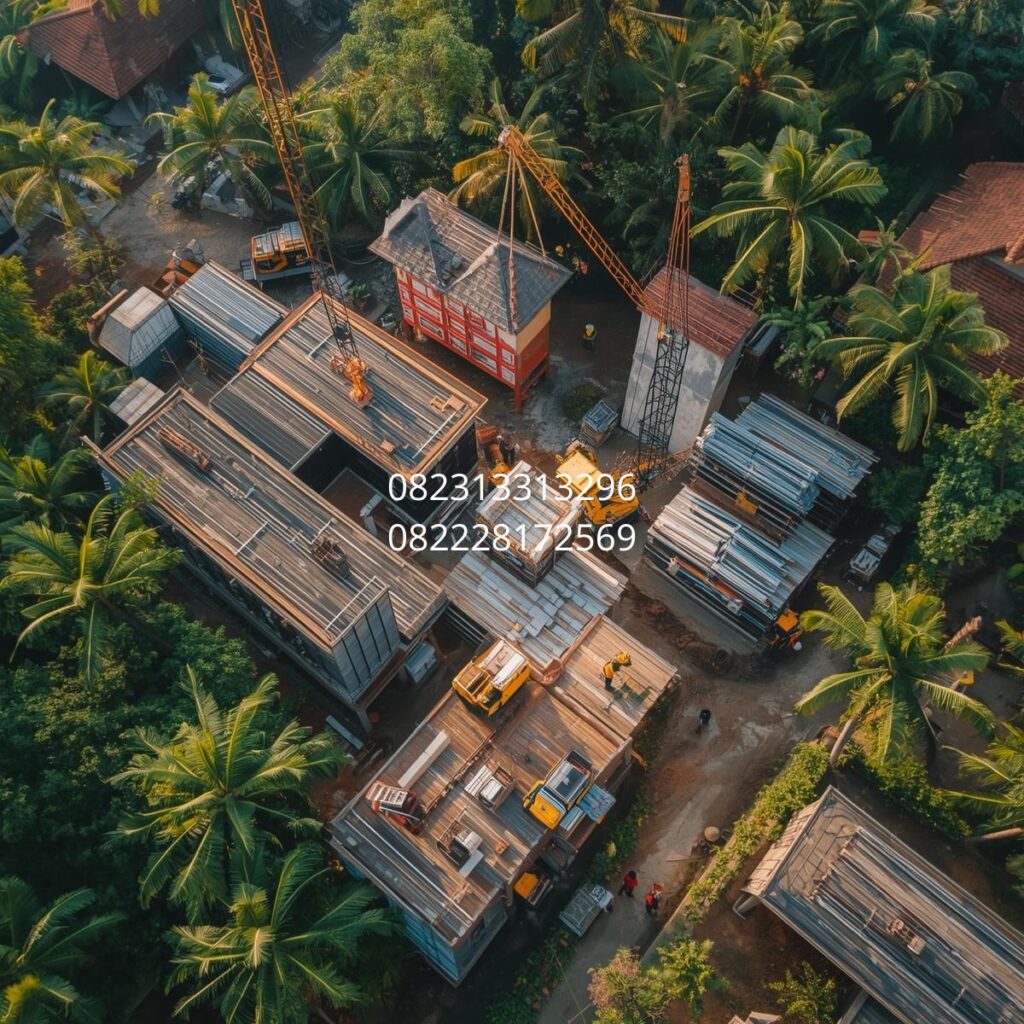
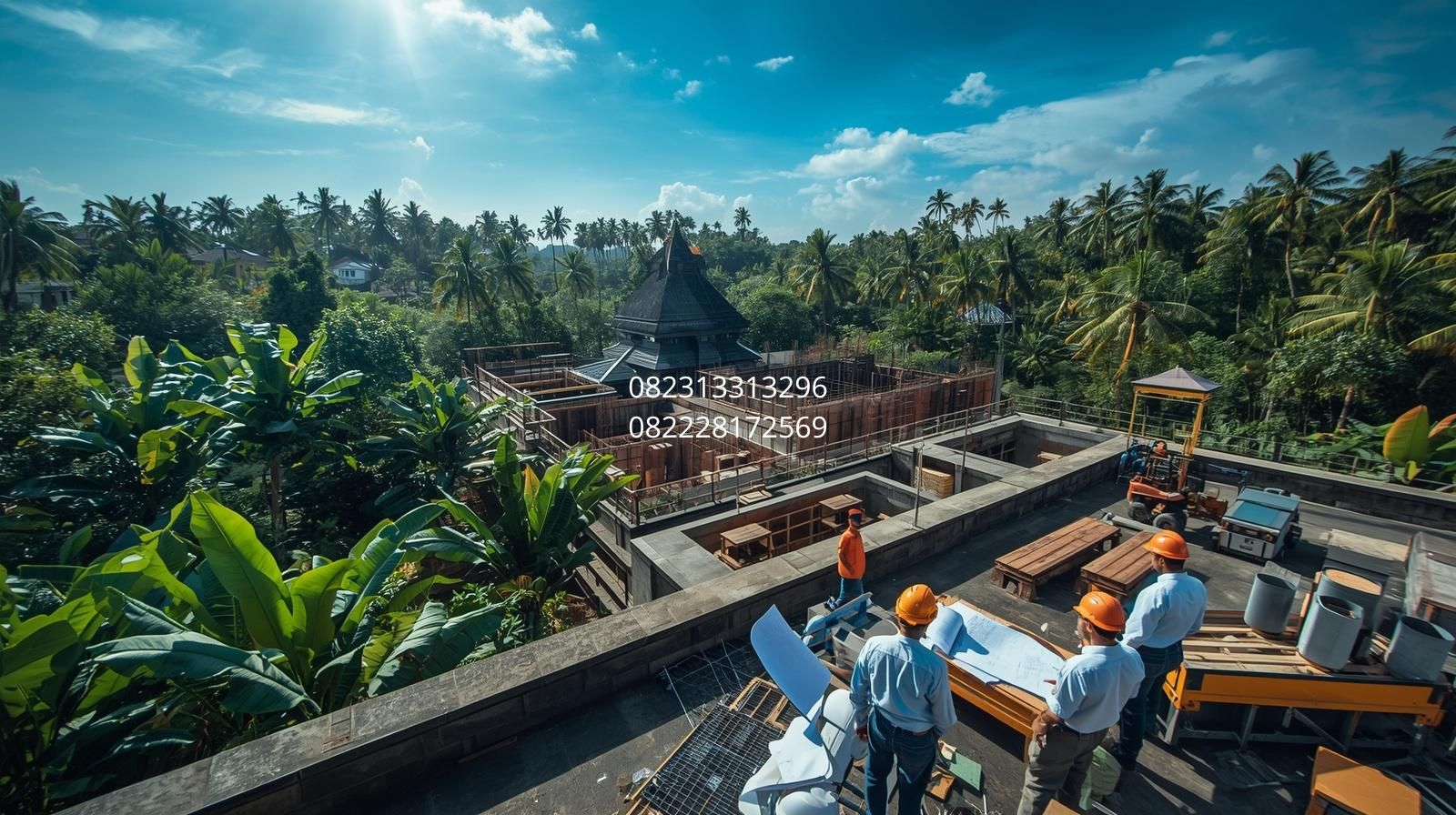
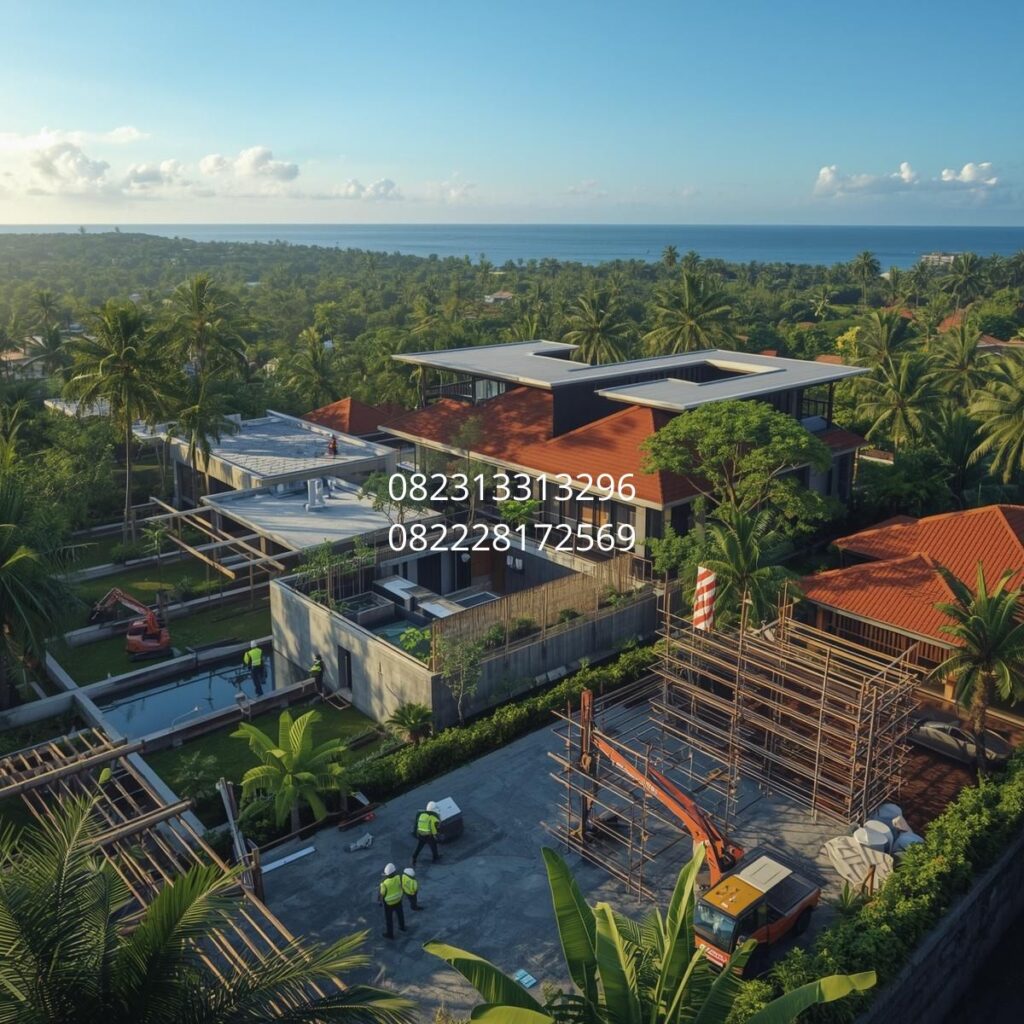
Construction project management in Bali plays a crucial role in ensuring that every development runs smoothly from start to finish. Each project requires careful planning to achieve the desired outcome. At the same time, Bali’s unique geographical conditions and cultural context strongly influence how construction activities are carried out.
Moreover, project management goes beyond simply building structures. Teams must actively manage time, cost, and quality in a balanced way. As a result, a well-structured management approach helps prevent technical issues and operational delays.
In addition, construction projects in Bali often involve multiple stakeholders. Therefore, strong collaboration becomes essential to keep every phase aligned. When teams work cohesively, they can deliver results that meet both functional and aesthetic expectations.
Chat WhatsApp 1
Chat WhatsApp 2
Key Stages in Construction Project Management
Strategic Initial Planning
The early stage sets the direction for the entire project. First, the team identifies the client’s needs in detail. Then, they develop a design concept that aligns with the intended function of the building.
Next, the team prepares a comprehensive budget plan. They must calculate costs realistically to maintain financial control throughout the project. This step helps minimize the risk of budget overruns.
At the same time, the team establishes a structured timeline. A clear schedule allows all stakeholders to understand the workflow from the beginning. Consequently, the project can move forward more efficiently.
Design and Technical Coordination
Once planning is complete, the team integrates design concepts with technical requirements. This process ensures that ideas can be executed effectively on-site.
At this stage, communication becomes critical. Architects, engineers, and field teams must stay aligned under a shared vision. This alignment reduces the likelihood of errors during execution.
Furthermore, adjustments often occur as the project progresses. The team must respond quickly to changes without disrupting the overall timeline. Flexibility, therefore, becomes a valuable asset.
Managing Time and Budget Effectively
Efficient Time Management
Time management remains one of the most critical aspects of construction projects. Teams must ensure that every task follows the established schedule.
To achieve this, they monitor progress regularly. Routine evaluations help identify delays early, allowing teams to take corrective action immediately.
In addition, clear task distribution improves productivity. When each team member understands their responsibilities, they can focus and complete tasks more efficiently.
READ ALSO : http://arovabuild
Controlled Budget Management
Alongside time, cost control requires constant attention. Teams must carefully track expenses to stay within the planned budget.
Every material decision should balance quality and efficiency. By doing so, the project maintains high standards without unnecessary spending.
Meanwhile, transparency in financial management builds trust among stakeholders. Open reporting ensures that all parties stay informed and aligned.
Leveraging Technology in Project Management
Utilizing Digital Tools
Technological advancements have transformed how construction projects are managed. Today, teams use digital tools to organize schedules, tasks, and communication.
With real-time access to project data, team members can coordinate more effectively—even from different locations. This capability significantly improves workflow efficiency.
Additionally, digital systems help maintain well-organized records. As a result, teams can evaluate project performance with greater accuracy.
Data-Driven Decision Making
Data plays an increasingly important role in modern project management. Teams analyze project data to gain insights into overall performance.
Through this analysis, they can identify potential risks before they escalate. This proactive approach allows teams to implement solutions early.
Furthermore, data-driven strategies enhance efficiency. Every decision is based on measurable insights, leading to more reliable outcomes.
Sustainable Approaches in Bali Construction
Maintaining Environmental Balance
Construction in Bali requires a strong commitment to environmental sustainability. Projects should actively incorporate eco-friendly principles into their planning and execution.
For instance, teams can reduce construction waste through precise material planning. They can also optimize resource usage to minimize environmental impact.
By adopting sustainable practices, projects deliver long-term value—not only for developers but also for the surrounding environment.
Promoting Energy Efficiency
Energy efficiency has become a key consideration in modern building design. Teams should design structures that maximize natural lighting.
Proper ventilation systems also reduce the need for excessive energy consumption. Consequently, buildings become more cost-efficient to operate.
At the same time, occupants benefit from improved comfort and healthier living conditions.
Team Collaboration as a Key Success Factor
Clear Role Distribution
Each team member must clearly understand their responsibilities. Well-defined roles simplify coordination and execution on-site.
With an organized structure, teams can reduce errors and improve overall efficiency. Strong teamwork ultimately leads to better project outcomes.
Consistent Communication
Effective communication forms the foundation of successful project management. Teams should hold regular meetings to review progress and address challenges.
These discussions allow stakeholders to share feedback and resolve issues quickly. As a result, decision-making becomes more accurate and timely.
The Importance of Professional Expertise
In practice, many projects rely on professional expertise to ensure optimal results. Experienced teams can manage every stage systematically, from planning to completion.
They bring structured workflows, technical knowledge, and strategic thinking into the project. Therefore, their involvement significantly increases the likelihood of success.
Ultimately, construction project management in Bali requires a balance of planning, coordination, technology, and sustainability. When all these elements work together, projects can achieve high-quality results while respecting local context and long-term impact.
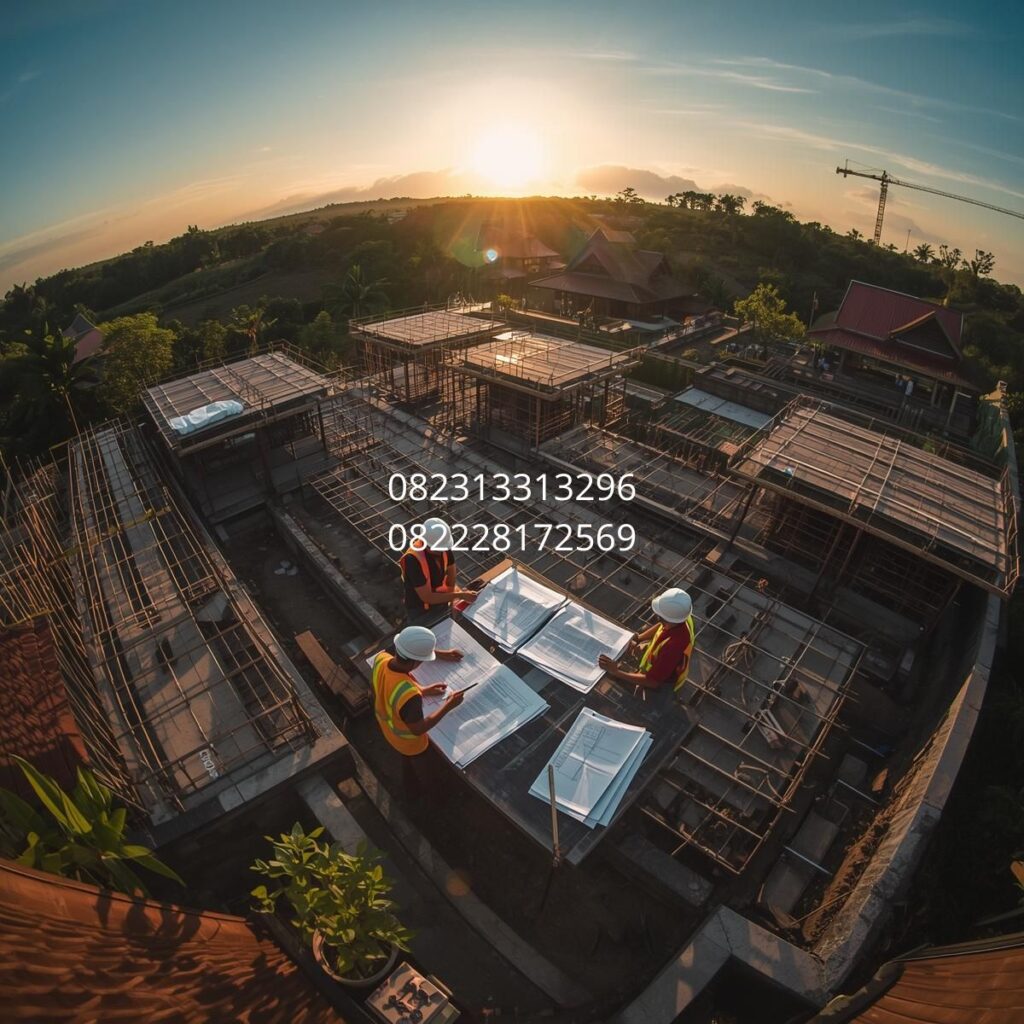
Advanced Strategies in Construction Project Management in Bali
Integrated Planning Approach
First, teams apply integrated planning across all project stages. This approach connects design, procurement, and construction into one cohesive workflow. As a result, teams avoid fragmentation and improve efficiency.
Next, managers define clear milestones for each phase. These milestones guide progress and maintain focus on key objectives. Consequently, teams can evaluate performance more accurately.
Moreover, integrated planning strengthens coordination among stakeholders. Faster decision-making becomes possible because everyone works within the same framework. Therefore, projects move forward with fewer disruptions.
Risk Management Implementation
Initially, teams identify potential risks at an early stage. Early identification allows them to prevent serious issues before they develop further. As a result, projects maintain stability from the beginning.
After that, managers assess the impact of each risk. They also prepare practical mitigation strategies to address possible challenges. Consequently, teams respond quickly when unexpected situations arise.
Furthermore, continuous monitoring ensures that risk management remains effective. Teams track conditions on-site and adjust strategies when necessary. Thus, they maintain control throughout the project lifecycle.
Digital Transformation in Construction Management
Use of Project Management Systems
Today, teams rely on digital systems to manage construction activities more effectively. These systems organize schedules, resources, and documentation in one platform. As a result, coordination becomes more efficient.
In addition, real-time updates allow all stakeholders to stay informed. Everyone can access the same information without delays. Therefore, communication becomes clearer and more transparent.
Moreover, structured data improves reporting accuracy. Managers can evaluate project performance based on actual progress. Consequently, decision-making becomes more reliable.
Data-Driven Project Optimization
First, teams collect accurate data from every stage of the project. This data reflects real conditions on-site and helps measure performance objectively.
Next, managers analyze the data to identify inefficiencies. They can quickly detect delays, cost deviations, or workflow issues. As a result, they implement improvements without wasting time.
Furthermore, continuous evaluation supports long-term development. Lessons learned from current projects help improve future strategies. Thus, overall project quality increases over time.
Sustainable Construction Management in Bali
Environmental Responsibility
Importantly, teams consider environmental impact in every decision. Bali’s natural landscape requires careful and responsible construction practices.
For example, teams manage waste efficiently and reduce unnecessary material usage. They also protect surrounding areas during construction activities. As a result, projects minimize environmental disruption.
Moreover, responsible site management ensures long-term sustainability. Construction activities remain aligned with environmental preservation goals.
Energy Efficiency Strategies
First, teams design buildings that optimize energy usage. They incorporate natural lighting to reduce dependence on artificial systems.
Next, they improve ventilation to maintain indoor comfort naturally. These strategies reduce operational costs while enhancing building performance.
In addition, teams select materials that support energy efficiency. Durable and efficient materials reduce maintenance needs over time. Consequently, buildings remain functional and sustainable for longer periods.
Strengthening Team Collaboration
Structured Role Allocation
Initially, managers assign clear roles to each team member. Everyone understands their responsibilities and expected outcomes.
This clarity reduces confusion and prevents overlapping tasks. As a result, teams work more efficiently and maintain consistent performance.
Moreover, accountability improves when responsibilities are well defined. Each member contributes effectively to the overall project.
Continuous Coordination
Next, teams conduct regular coordination meetings. These sessions address ongoing progress and resolve emerging issues.
Through open discussions, stakeholders align their perspectives. This alignment supports faster and more accurate decision-making.
Furthermore, consistent communication strengthens teamwork. Collaboration improves across all levels of the project structure.
Enhancing Project Outcomes
Quality Control Implementation
First, teams establish strict quality control procedures. They inspect each stage of construction to ensure compliance with standards.
In addition, they use benchmarks to guide performance expectations. These benchmarks maintain consistency throughout the project.
Moreover, continuous improvement helps teams refine their processes. Each completed project contributes valuable insights for future work.
Time Optimization Techniques
Next, managers refine scheduling strategies to improve efficiency. They organize tasks in a logical sequence to avoid delays.
Proper planning ensures that resources are available when needed. As a result, workflow remains uninterrupted.
Furthermore, time tracking allows managers to evaluate productivity. They can adjust schedules quickly when necessary. Thus, teams meet deadlines more consistently.
Practical Perspective: Delivering Real Solutions
In practice, successful construction project management requires more than theory. Teams must apply practical solutions that adapt to real conditions on-site.
They must balance technical requirements with environmental and cultural considerations. This balance becomes especially important in regions like Bali.
At the same time, professional teams provide structured approaches that simplify complex processes. For example, a professional provider based in Surabaya, East Java, can support projects in Bali through systematic planning and coordination.
Such teams focus on delivering functional, efficient, and sustainable results. They prioritize clarity, collaboration, and long-term value in every project.
Future Trends in Construction Project Management in Bali
Adoption of Smart Construction Practices
Looking ahead, the construction industry in Bali continues to evolve. Project teams increasingly adopt smart construction methods to improve efficiency and accuracy.
For instance, digital modeling allows teams to visualize projects before construction begins. This approach helps detect potential issues early. As a result, teams reduce errors during execution.
In addition, automation begins to play a larger role in construction workflows. Teams streamline repetitive tasks and focus more on strategic decision-making. Consequently, productivity continues to increase.
Emphasis on Resilient Design
At the same time, resilience becomes a key focus in modern construction. Buildings must adapt to environmental conditions and long-term usage demands.
Therefore, teams design structures that withstand climate factors such as humidity and temperature variations. This approach ensures durability over time.
Moreover, resilient design supports sustainability goals. Buildings remain functional with minimal maintenance, which reduces long-term costs.
Cultural Sensitivity in Bali Construction Projects
Respecting Local Values
Importantly, construction in Bali involves more than technical execution. Teams must respect local traditions and cultural values throughout the project.
For example, spatial planning often considers cultural harmony. This consideration influences layout, orientation, and overall design.
As a result, projects align not only with functional needs but also with cultural expectations. This alignment enhances acceptance within the local community. Integrating Modern and Traditional Concepts
Furthermore, successful projects often combine modern design with traditional elements. This integration creates a unique architectural identity.
Teams carefully balance innovation with cultural authenticity. Consequently, buildings reflect both progress and heritage.
This approach strengthens the overall value of the project while maintaining its local relevance.
Long-Term Value of Structured Project Management
Operational Efficiency After Completion
Effective project management does not end when construction finishes. Instead, it contributes to long-term operational efficiency.
Well-planned buildings require less maintenance and operate more smoothly. As a result, owners benefit from reduced operational costs.
Additionally, efficient systems improve user experience. Occupants enjoy better comfort and functionality in their daily activities.
Increasing Property Value
Structured construction management also enhances property value. High-quality execution leads to stronger durability and better performance.
In addition, well-managed projects attract greater interest from users and investors. This interest increases long-term asset value.
Therefore, investing in proper project management provides both immediate and future benefits.
Frequently Asked Questions About Construction Project Management in Bali
What makes construction projects in Bali unique?
First, Bali offers a distinct combination of environmental, cultural, and regulatory factors. These elements influence every stage of construction.
In addition, project teams must adapt to local conditions such as climate and site accessibility. Therefore, planning requires careful adjustment from the beginning.
Moreover, cultural considerations play a significant role in design decisions. This factor makes each project more contextual and location-specific.
How do teams ensure project timelines stay on track?
Initially, teams create a detailed and realistic schedule. They define clear milestones and align resources accordingly.
Next, managers monitor progress continuously. They identify delays early and apply corrective actions immediately.
Furthermore, consistent coordination between stakeholders helps avoid miscommunication. As a result, teams maintain steady progress throughout the project.
Conclusion
Ultimately, construction project management in Bali demands a structured and adaptive approach. Teams must combine planning, technology, and collaboration to achieve optimal results.
Moreover, sustainable practices and efficient resource management play a crucial role in modern construction. These elements ensure that projects deliver long-term benefits.
In conclusion, effective management leads to better quality, controlled costs, and timely completion. Therefore, every project should adopt a comprehensive strategy from the beginning.