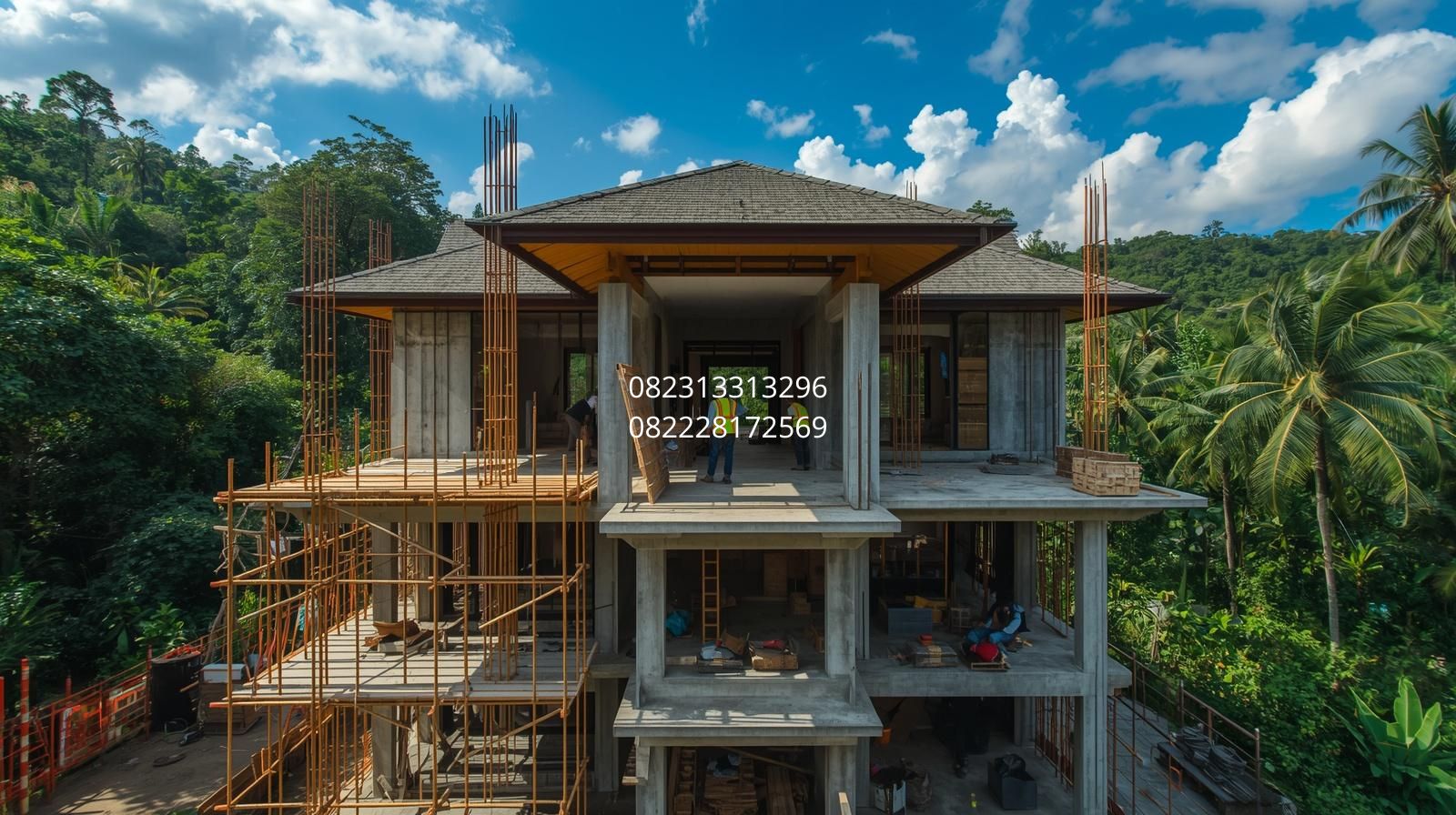
Civil Construction Bali: Practical Guide to Building Quality Projects in a Tropical Environment – arovabuild
Civil construction in Bali requires a careful balance between engineering precision and environmental awareness. Therefore, every project must adapt to local conditions, regulations, and cultural context. In addition, builders must prioritize durability, efficiency, and sustainability from the start.
Moreover, Bali’s rapid development increases the demand for reliable civil construction services. As a result, project owners need clear guidance to navigate planning, execution, and long-term maintenance. This article explains key aspects of civil construction in Bali using a practical and professional approach.

Chat WhatsApp 1
Chat WhatsApp 2
Understanding Civil Construction in Bali
Civil construction covers infrastructure and structural development for residential, commercial, and public projects. Therefore, it includes roads, drainage systems, foundations, and structural frameworks. In Bali, these elements must respond to tropical weather and unique terrain.
Furthermore, construction professionals must align their methods with local building codes. This approach ensures safety and long-term performance. As a result, well-planned civil works reduce risks and improve overall project value.
Key Characteristics of Construction Projects in Bali
Bali presents distinct challenges that influence construction strategies. For example, high humidity affects material durability and structural integrity. Therefore, builders must select materials carefully.
In addition, seismic activity requires structures to meet earthquake-resistant standards. Consequently, engineers must design foundations and frameworks with flexibility and strength. This combination enhances safety and resilience.
Site Analysis and Preparation
Every successful construction project starts with thorough site analysis. Therefore, contractors must evaluate soil conditions, topography, and drainage patterns. This process helps identify potential risks early.
Moreover, proper site preparation ensures a stable foundation. As a result, builders can avoid structural issues during later stages.
READ ALSO : http://arovabuild
Soil Testing and Land Assessment
Soil testing determines the bearing capacity of the land. Therefore, engineers can design appropriate foundations based on accurate data. In addition, soil analysis helps prevent settlement problems.
Furthermore, land contour assessment supports efficient site planning. This step allows builders to optimize layout and minimize excavation work.
Land Clearing and Groundwork
Land clearing prepares the site for construction activities. Therefore, contractors remove vegetation, debris, and obstacles systematically. In addition, they ensure minimal environmental disruption.
Afterward, groundwork includes leveling and compaction. Consequently, the site becomes stable for foundation work. This step plays a crucial role in long-term structural performance.
Structural Engineering and Foundation Systems
Structural integrity forms the backbone of civil construction projects. Therefore, engineers must design systems that withstand environmental and operational loads. In Bali, this requirement becomes even more critical.
Foundation Types for Tropical Conditions
Different projects require different foundation systems. For example, shallow foundations work well for stable soil conditions. However, deep foundations provide better support in weaker soils.
Moreover, builders often use reinforced concrete to enhance durability. This material performs well under humid conditions and heavy loads. As a result, it remains a common choice in Bali.
Earthquake-Resistant Structures
Bali lies in an active seismic region. Therefore, construction must follow earthquake-resistant design principles. Engineers incorporate flexible joints and reinforcement techniques.
In addition, structural elements must distribute loads evenly. This approach reduces stress concentration during seismic activity. Consequently, buildings achieve higher safety levels.
Drainage and Water Management Systems
Effective water management remains essential in tropical regions. Therefore, civil construction projects must include well-designed drainage systems. In Bali, heavy rainfall increases the importance of this aspect.

Surface and Subsurface Drainage
Surface drainage channels direct rainwater away from structures. Therefore, they prevent flooding and erosion. In addition, subsurface drainage manages groundwater levels effectively.
Moreover, proper drainage design protects foundations from water damage. This protection extends the lifespan of the building.
Sustainable Water Solutions
Modern construction emphasizes sustainability. Therefore, many projects integrate rainwater harvesting systems. In addition, permeable surfaces help reduce runoff.
As a result, these solutions support environmental balance. They also improve resource efficiency in the long term.
Material Selection for Civil Construction
Material selection directly impacts durability and maintenance costs. Therefore, builders must choose materials that suit Bali’s climate. In addition, they must consider availability and cost efficiency.
Durable Materials for Tropical Climate
Concrete, natural stone, and treated wood perform well in humid conditions. Therefore, they remain popular choices in Bali. In addition, corrosion-resistant steel enhances structural strength.
Moreover, proper treatment increases material lifespan. This approach reduces maintenance requirements over time.
Eco-Friendly Construction Materials
Sustainable materials gain popularity in modern projects. Therefore, builders often use locally sourced resources. In addition, recycled materials help reduce environmental impact.
As a result, eco-friendly construction supports long-term sustainability. It also aligns with global building trends.
Project Management in Civil Construction
Effective project management ensures timely and efficient execution. Therefore, contractors must coordinate resources, schedules, and budgets carefully. In Bali, this process requires additional flexibility.
Planning and Scheduling
A clear construction timeline helps manage project phases. Therefore, each stage must have defined milestones. In addition, scheduling must consider weather conditions.
Moreover, proper planning reduces delays and cost overruns. This benefit improves overall project efficiency.
Cost Control and Budget Management
Budget management plays a critical role in project success. Therefore, contractors must monitor expenses regularly. In addition, they should adjust plans when necessary.
Furthermore, transparent cost tracking builds trust between stakeholders. As a result, projects remain financially stable.
Safety Standards in Construction Projects
Safety remains a top priority in civil construction. Therefore, contractors must implement strict safety protocols. In addition, workers must receive proper training.
Workplace Safety Practices
Construction sites involve various risks. Therefore, workers must use protective equipment consistently. In addition, supervisors must enforce safety rules.
Moreover, regular inspections help identify hazards early. This approach reduces accidents and improves productivity.
Regulatory Compliance
Local regulations guide construction practices in Bali. Therefore, contractors must follow legal requirements carefully. In addition, compliance ensures project approval and operation.
As a result, adherence to regulations protects both workers and project owners.
Technology in Modern Civil Construction
Technology continues to transform construction methods. Therefore, modern projects increasingly adopt digital tools and automation. In Bali, this trend supports efficiency and precision.
Building Information Modeling
Building Information Modeling improves project visualization and coordination. Therefore, teams can detect design conflicts early. In addition, it enhances communication among stakeholders.
Moreover, this technology reduces errors during construction. As a result, projects achieve higher accuracy.
Smart Construction Techniques
Advanced techniques improve productivity and quality. Therefore, contractors use modern equipment and monitoring systems. In addition, automation reduces manual errors.
Consequently, projects benefit from faster completion and better outcomes.
Environmental Considerations in Bali Construction
Environmental preservation remains essential in Bali. Therefore, construction projects must minimize ecological impact. In addition, developers must respect local landscapes.
Sustainable Site Development
Sustainable practices protect natural resources. Therefore, builders should limit land disturbance. In addition, they should preserve existing vegetation when possible.
Moreover, efficient land use supports long-term environmental health. This approach benefits both communities and ecosystems.

Energy Efficiency in Infrastructure
Energy-efficient systems reduce operational costs. Therefore, construction projects often include efficient lighting and ventilation. In addition, renewable energy solutions gain popularity.
As a result, buildings become more sustainable and cost-effective.
Challenges in Civil Construction Projects
Civil construction in Bali involves several challenges. Therefore, project teams must prepare for uncertainties. In addition, proactive planning helps mitigate risks.
Weather and Climate Factors
Heavy rainfall can delay construction activities. Therefore, contractors must adjust schedules accordingly. In addition, proper planning minimizes disruptions.
Moreover, climate conditions influence material performance. This factor requires careful selection and treatment.
Logistics and Material Supply
Transporting materials can present logistical challenges. Therefore, contractors must coordinate supply chains efficiently. In addition, local sourcing can reduce delays.
As a result, projects maintain steady progress without interruptions.
Practical Tips for Successful Construction Projects
Successful projects rely on clear strategies and informed decisions. Therefore, stakeholders should follow best practices throughout the process.
Choose Experienced Professionals
Experienced teams deliver better results. Therefore, project owners should evaluate expertise and track records. In addition, clear communication ensures smooth collaboration.
Focus on Long-Term Value
Short-term savings can lead to long-term issues. Therefore, quality should remain a priority. In addition, durable construction reduces maintenance costs.
Advanced Infrastructure Planning in Bali Construction Projects
Infrastructure planning plays a vital role in long-term project success. Therefore, engineers must design systems that support both current and future needs. In Bali, this approach becomes essential due to rapid development and environmental sensitivity.
Moreover, integrated infrastructure ensures efficient land use and operational performance. As a result, projects can function smoothly while maintaining sustainability standards.
Road Access and Circulation Design
Proper road access improves mobility and usability of any development. Therefore, planners must consider traffic flow and accessibility from the beginning. In addition, road width and surface materials must suit projected usage.
Furthermore, efficient circulation reduces congestion within project areas. Consequently, users can move safely and comfortably throughout the site.
Utility Network Integration
Utility systems must connect seamlessly within a construction project. Therefore, engineers design networks for electricity, water, and telecommunications in a coordinated manner. In addition, proper layout reduces maintenance complexity.
Moreover, integrated systems prevent conflicts between different utilities. As a result, long-term operations become more efficient and reliable.
Quality Assurance in Civil Construction
Quality assurance ensures that construction meets defined standards and expectations. Therefore, teams must implement structured inspection and testing processes. In addition, consistent monitoring helps maintain project integrity.
Material Testing and Verification
Material testing confirms that construction materials meet required specifications. Therefore, engineers perform tests before and during project execution. In addition, verification ensures consistency in quality.
Moreover, early detection of material issues prevents costly corrections later. Consequently, projects stay on schedule and within budget.
On-Site Supervision and Inspection
On-site supervision ensures that construction follows approved designs. Therefore, supervisors must monitor each stage carefully. In addition, regular inspections help identify deviations early.
Furthermore, timely corrections improve overall project outcomes. As a result, the final structure meets safety and performance standards.
Cost Efficiency Strategies in Construction
Cost efficiency does not mean reducing quality. Instead, it focuses on optimizing resources effectively. Therefore, project teams must apply strategic planning and smart decision-making.
Value Engineering Approach
Value engineering improves functionality while controlling costs. Therefore, teams evaluate alternative materials and methods. In addition, they select options that provide the best performance.
Moreover, this approach enhances overall project value. Consequently, stakeholders benefit from efficient resource utilization.
Minimizing Waste in Construction
Construction waste increases project costs and environmental impact. Therefore, teams must implement waste management strategies. In addition, proper planning reduces excess material usage.
Furthermore, recycling and reuse contribute to sustainability. As a result, projects become more environmentally responsible.
Collaboration in Construction Projects
Strong collaboration drives successful construction outcomes. Therefore, all stakeholders must communicate clearly and consistently. In addition, teamwork improves problem-solving efficiency.
Coordination Between Stakeholders
Projects involve multiple parties, including engineers, architects, and contractors. Therefore, coordination ensures alignment of goals and expectations. In addition, regular meetings support effective communication.
Moreover, shared understanding reduces misunderstandings. Consequently, project execution becomes smoother.
Role of Project Leadership
Effective leadership guides the entire construction process. Therefore, project leaders must make informed decisions quickly. In addition, they must manage resources and timelines efficiently.
Furthermore, strong leadership motivates teams to achieve project goals. As a result, productivity and quality improve.

Maintenance and Lifecycle Considerations
Construction does not end after project completion. Instead, long-term maintenance ensures continued performance and safety. Therefore, planners must consider lifecycle aspects during design and construction.
Preventive Maintenance Planning
Preventive maintenance reduces the risk of major repairs. Therefore, property owners should schedule regular inspections. In addition, early maintenance helps extend building lifespan.
Moreover, proper planning lowers operational costs over time. Consequently, assets remain in good condition.
Lifecycle Cost Analysis
Lifecycle cost analysis evaluates total expenses over a building’s lifespan. Therefore, it includes construction, maintenance, and operational costs. In addition, this analysis supports informed decision-making.
Furthermore, understanding long-term costs helps prioritize quality investments. As a result, projects deliver better financial outcomes.
Future Trends in Civil Construction Bali
Construction practices continue to evolve with technology and sustainability goals. Therefore, industry professionals must adapt to new trends and innovations. In Bali, these trends reflect both global standards and local needs.
Green Infrastructure Development
Green infrastructure focuses on environmentally friendly solutions. Therefore, projects integrate natural systems such as green roofs and water management features. In addition, these solutions improve ecological balance.
Moreover, sustainable infrastructure enhances property value. Consequently, developers gain long-term benefits.
Digital Transformation in Construction
Digital tools improve efficiency and accuracy in construction processes. Therefore, teams increasingly use data-driven decision-making. In addition, digital platforms enhance collaboration.
Furthermore, automation reduces manual workload. As a result, projects achieve faster and more reliable outcomes.
Risk Management in Civil Construction Projects
Risk management plays a crucial role in maintaining project stability. Therefore, teams must identify potential risks early. In addition, they must develop clear mitigation strategies.
Moreover, proactive planning reduces unexpected disruptions. As a result, projects can proceed with greater confidence and control.
Identifying Common Construction Risks
Construction projects often face technical and environmental risks. For example, unstable soil conditions can affect structural integrity. Therefore, early assessment becomes essential.
In addition, regulatory changes may impact project timelines. Consequently, teams must stay updated with local requirements.
Mitigation and Contingency Planning
Teams must prepare contingency plans for potential disruptions. Therefore, they allocate buffer time and reserve budgets. In addition, flexible strategies help address unforeseen challenges.
Moreover, clear communication supports quick decision-making. As a result, teams can respond effectively to changing conditions.
Procurement and Resource Management
Efficient procurement ensures that materials and resources remain available when needed. Therefore, project managers must plan supply chains carefully. In addition, they must evaluate supplier reliability.
Conclusion
Civil construction in Bali demands a comprehensive and adaptive approach. Therefore, every stage requires careful planning, technical expertise, and environmental awareness. In addition, collaboration among stakeholders ensures consistent progress and quality outcomes.
Moreover, successful projects balance structural performance, cost efficiency, and sustainability. As a result, well-executed construction delivers long-term value for both users and investors.
Ultimately, a clear strategy, supported by experienced professionals, transforms complex ideas into reliable structures. Therefore, starting with a structured consultation allows project owners to define goals, assess feasibility, and plan effectively.
With the right preparation and execution, civil construction projects in Bali can achieve durability, functionality, and harmony with their environment.