House Remodeling Bali: The Myths Quietly Draining Your Budget (and What Actually Works) – arovabuild
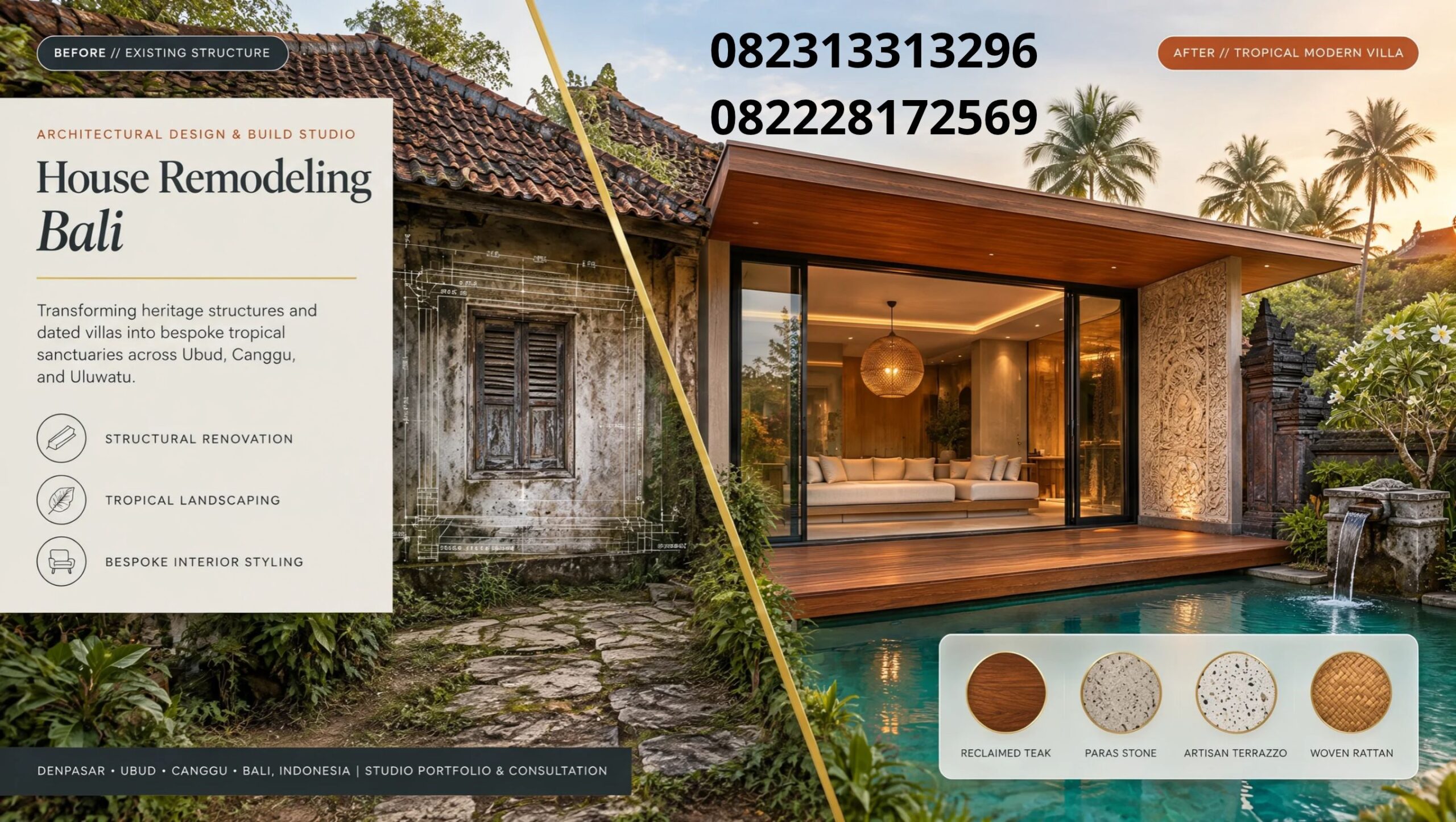
House Remodeling Bali – The most expensive mistake I see in house remodeling Bali projects happens before anyone picks up a hammer. An owner flies in, walks through a tired villa, and asks for “new finishes everywhere.” Six months later, the fresh paint is blistering, the new timber doors have swollen shut, and a damp patch is creeping up the bedroom wall. The finishes were never the real problem. They only covered it up.
Bali is a beautiful place to own a home. It is also one of the hardest places to keep one in good shape. Humidity sits high for most of the year, the wet season brings heavy rain in short bursts, coastal areas get salt air, and termites are always around. A remodel that ignores these conditions will look great at the handover and start failing within a year.
After years of guiding owners through renovations, from small bungalows in Ubud to rental villas near the southern beaches, I’ve found that most budget overruns trace back to a handful of beliefs that sound reasonable but don’t hold up in Bali’s climate. Let’s clear them up, then turn to what a smart remodel actually looks like.

Chat on WhatsApp
Chat on WhatsApp
Why Remodeling a House in Bali Is a Different Game
House Remodeling Bali – Before the myths, it helps to understand what makes the island unusual.
First, the climate works against buildings constantly. Relative humidity often stays above 80 percent, so moisture gets into everything: plaster, timber, grout, even electrical boxes. Second, a lot of Bali’s housing stock went up quickly during tourism booms. Many villas were built for speed and looks rather than durability, so a remodel often means fixing original shortcuts.
Third, many foreign owners hold their property on leasehold rather than freehold. That affects how much it makes sense to invest, and it should shape the scope of your remodel. If 18 years remain on your lease, a 40-year roof system may not be the smartest spend. If you’ve just signed a 30-year extension, the calculation changes completely.
Finally, logistics matter. Plenty of materials, fittings, and custom joinery are made in Java and shipped across the Bali Strait. A contractor with solid supply lines into East Java can often source better materials at fairer prices and with more reliable timelines than one depending only on whatever is in stock locally.
Myth 1: “A Fresh Coat of Paint and New Tiles Will Make It Feel New”
Fact: In Bali, surface upgrades over hidden moisture problems fail fast.
Cosmetic work has its place, but only after you know what’s going on behind the walls. Rising damp, leaking roof junctions, and poorly sloped balconies are extremely common in island villas. Paint over a damp wall and it will bubble and peel within one wet season. Lay new tiles on a slab that already holds water and the grout will darken, crack, and grow mold.
A good remodel starts with a diagnosis. That means checking:
- Roof flashing and the joints where alang-alang thatch, clay tile, or metal roofing meets walls
- Drainage around the foundation, particularly on sloped plots common in Ubud and the central highlands
- Moisture readings on lower walls
- The state of existing timber, especially beams and door frames, for termite damage
- Wet-area waterproofing in bathrooms and outdoor showers
Fixing these first may not feel exciting, and the budget can look less glamorous on paper. Still, it’s the difference between a remodel that lasts ten years and one you’ll be redoing in two.
Myth 2: “Local Builders All Work the Same Way, So Just Pick the Cheapest Quote”
Fact: Quotes vary because scope, materials, and supervision vary.
A low quote is not automatically a bad one, but you need to know what it leaves out. When two quotes differ by 30 percent, the gap usually hides in a few places:
- Material grade. “Teak” can mean old-growth heartwood or young plantation timber with plenty of sapwood. They look similar on day one and behave very differently after a year of humidity.
- Waterproofing. Some quotes include a proper membrane system in wet areas. Others include a single coat of cement-based sealer.
- Supervision. Who is on site daily? Who checks the work while you’re overseas?
- Hidden items. Debris removal, temporary power, permits, and design revisions are often excluded from the headline number.
My advice is simple: ask every contractor for an itemized bill of quantities. If they won’t give one, treat that as a warning sign. Compare line by line, not total against total.

Myth 3: “I Can Manage the Remodel Remotely Through WhatsApp Photos”
Fact: Photos show progress, not quality.
House Remodeling Bali – Many owners live abroad and visit once or twice a year. Remote management is possible, yet it only works with the right structure. A photo of a freshly tiled bathroom tells you nothing about whether the floor slopes toward the drain or whether the membrane was installed underneath.
For a remote remodel, you need three things. The first is a written scope with clear specifications. Next comes a payment schedule tied to completed milestones rather than calendar dates. The third is an independent check at critical stages: before waterproofing is covered, before electrical walls are closed, and before the roof is sealed.
This is exactly where working with an experienced team pays off. At arovabuild.com, we structure remodels for overseas owners around milestone reports that show the hidden layers, not just the finished surfaces, so you can approve each stage with confidence.
read also : https://arovabuild
Myth 4: “Permits Don’t Really Matter for a Remodel”
Fact: Structural changes and additions often need approval, and the risk lands on you.
Indonesia replaced the old building permit system with the PBG (Persetujuan Bangunan Gedung) in 2021. A simple interior refresh usually doesn’t trigger a new approval. However, adding a floor, expanding the footprint, changing the building’s use (such as turning a family home into a rental villa), or making significant structural changes generally does.
Regulations also differ by regency, and local zoning rules in Badung, Gianyar, and Tabanan can affect setbacks, building height, and land use. On top of formal permits, many neighborhoods expect you to coordinate with the local banjar, the village community organization, particularly for noisy work or projects that affect shared access.
Skipping this step might save a few weeks. Yet it can create problems when you sell, extend a lease, or register a rental business. Always ask your contractor how they handle permit checks, and confirm the current requirements with the local authority before work begins.
Myth 5: “Open-Air Tropical Design Means Less Maintenance”
Fact: Open design is wonderful to live in, but it exposes more of the house to the weather.
Open living pavilions, outdoor bathrooms, and wide sliding doors are a big part of Bali’s charm. They also mean more surfaces exposed to rain, UV, and insects. During a house remodel, smart owners keep the open feeling while choosing materials that can handle it.
Here’s a quick comparison of common materials in island remodels:
| Material | Strengths in Bali | Weak Points | Best Use |
|---|---|---|---|
| Teak (mature heartwood) | Naturally oily, resists rot and termites | Higher cost, needs periodic oiling | Doors, windows, decking, furniture |
| Merbau | Dense, durable, rich color | Can bleed tannins onto nearby surfaces | Flooring, outdoor decks |
| Bengkirai | Strong and more affordable | Prone to checking if not sealed | Pergolas, structural outdoor elements |
| Terrazzo | Cool underfoot, very durable, low maintenance | Needs skilled installation | Floors, bathroom vanities |
| Natural stone (paras, andesite) | Authentic Balinese look | Paras is porous and absorbs moisture | Feature walls, garden walls (with sealer) |
| Aluminum frames | Rust-resistant, low upkeep | Less traditional look | Windows in coastal homes |
| Galvanized steel | Strong and affordable | Rusts quickly near the sea if not coated | Inland structures only |
The pattern here is clear. In coastal zones like Canggu, Seminyak, and the Bukit peninsula, salt air speeds up corrosion, so hardware and frames need to be stainless or properly coated. Around Ubud, the main enemy is constant dampness, so ventilation and moisture-tolerant finishes matter more.

Myth 6: “Remodeling Will Always Pay Off in Rental Income”
Fact: It pays off when the upgrades match what guests actually value.
If your villa earns rental income, a remodel can raise nightly rates and occupancy. Even so, not every upgrade earns its keep. In my experience, guests in Bali consistently respond to a short list of improvements:
- Bathrooms. Modern, clean, well-ventilated bathrooms with strong water pressure are often the single biggest driver of reviews.
- Air-conditioned bedrooms with good insulation. Open-air living is lovely, but people want to sleep cool.
- Kitchens that work. Long-stay guests and digital nomads cook. A tired kitchen hurts bookings.
- Outdoor living spaces. A refreshed pool deck or shaded lounge area photographs well and sells the experience.
- Reliable utilities. Upgraded electrical capacity, water filtration, and backup systems prevent the complaints that tank ratings.
On the other hand, highly personal design choices, such as very bold colors or unusual layouts, can narrow your market. Keep the core neutral and let furniture and styling bring the personality.
What a Well-Planned House Remodeling Bali Project Looks Like
Now that the myths are out of the way, here’s the approach I recommend to owners.
Start With a Condition Survey, Not a Mood Board
Walk the property with someone who knows how Bali buildings fail. Test moisture levels, inspect the roof, check the timber, and review the electrical panel. Only then build your design brief around the findings.
Define Your Time Horizon
Match your investment to your ownership period. A short lease calls for high-impact, moderate-cost upgrades. A long lease or freehold title justifies structural improvements and premium materials.
Plan Around the Seasons
The dry season, roughly April to October, is the best window for roof work, exterior painting, and anything involving concrete curing. Interior work can continue during the wet season, but roofing and waterproofing during heavy rain invites trouble. Many experienced owners schedule major external work to finish before November.
Budget With a Contingency
Older villas almost always reveal surprises once walls are opened. Set aside 10 to 20 percent of your budget as a contingency. If you don’t need it, great. If you do, the project won’t stall halfway.
Understand the Realistic Price Range
Costs depend heavily on scope, materials, and location. A light cosmetic refresh sits at the lower end, a full bathroom or kitchen rebuild lands in the middle, and structural work, extensions, or roof replacement push the budget higher. Rather than trusting a per-square-meter figure from a forum, get an itemized estimate based on an actual site visit. That’s the only number worth planning around.
If you’d like a clear starting point, the team at arovabuild.com can review your property, outline the priorities, and give you a transparent estimate before you commit to anything.
Common Questions About House Remodeling in Bali
How long does a house remodel in Bali usually take?
A single bathroom or kitchen typically takes four to eight weeks. A full villa remodel can take three to six months, depending on scope, material lead times, and weather. Structural additions take longer, especially when permits are involved.
Can foreigners legally remodel a property they lease in Bali?
Generally, yes, but your lease agreement should explicitly allow renovations and additions. Check the contract terms and get written consent from the landowner where required before starting structural work.

What is the best time of year to remodel in Bali?
The dry season, from about April to October, is ideal for roofing, exterior work, and waterproofing. Interior projects can run year-round with good planning.
How can I prevent termite damage after remodeling?
Use naturally resistant timber or treated wood, apply soil treatment around the foundation, and avoid wood-to-soil contact. Regular inspections every year or two catch problems early.
Do I need to be in Bali during the remodel?
Not necessarily. With a clear scope, milestone-based payments, and detailed progress reports that show hidden work, many owners manage remodels successfully from overseas.
Is it worth remodeling an older villa instead of building new?
Often it is, especially when the structure is sound and the location is good. A remodel can cost significantly less than a new build and avoids the longer approval process for new construction.
Building It Right the First Time
A successful house remodeling Bali project isn’t about chasing the newest finishes. It’s about fixing what the climate has been quietly working on, choosing materials that suit the island, respecting local rules and community, and spending where the payoff is real. Start with a proper diagnosis, plan around the seasons, budget for surprises, and insist on seeing the work that hides behind the walls.
Get those fundamentals right, and your home will stay comfortable, beautiful, and valuable for years, whether you live in it, rent it out, or eventually sell.
When you’re ready to turn your plans into a clear, honest scope of work, reach out to arovabuild.com. Share a few photos and your goals, and we’ll help you map out a remodel that suits your property, your timeline, and your budget.