Landscape Maintenance Bali: Why Beautiful Villa Gardens Fall Apart, and How to Stop It – arovabuild
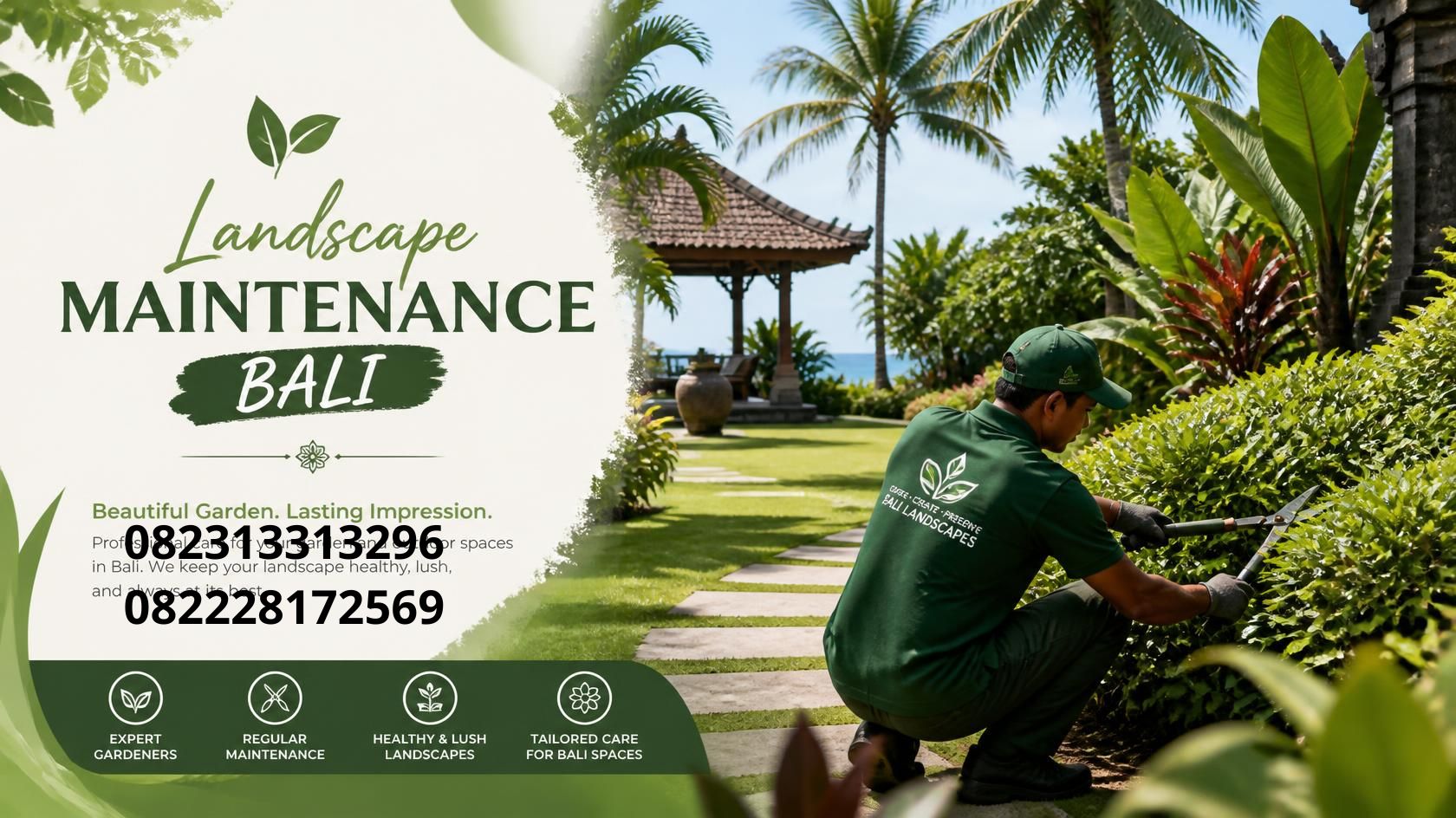
Landscape Maintenance Bali – Here is the mistake I see more than any other. An owner spends serious money on a new villa garden in Bali, with frangipani along the pool deck, a sweep of soft green lawn, and a row of palms framing the view. Then they hand the whole thing to someone who mows on Mondays and turns on a hose when the leaves look tired. Twelve months later the lawn is patchy, the palms are dropping fronds onto guests, and the drainage channel behind the bale is full of silt. Good landscape maintenance in Bali isn’t about keeping things tidy. It’s about protecting an investment from a climate that grows everything fast, including the problems.
If you own a villa, run a rental property, or manage a resort garden on the island, this guide walks through what goes wrong, why it happens, and what a proper maintenance plan should look like.
Chat on WhatsApp
Chat on WhatsApp
The Expensive Mistake Most Villa Owners Make in Year One
Landscape Maintenance Bali – Most owners treat a garden as a finished product. In Bali it’s closer to a living system that needs steering every week.
The first year is when the garden settles in. Roots are still establishing, new soil is still compacting, and the irrigation layout is being tested by its first real wet season. Neglect during this window costs far more than neglect later, because plants that fail to establish properly rarely recover. You end up replacing them, and replacement means new plants, new labor, and a garden that looks unfinished while guests are booking.
There’s a second cost that owners often miss. In a rental villa, the garden is part of the product. Guests photograph the pool area, the lawn, and the tropical planting. Reviews mention them. A tired garden quietly lowers your nightly rate without anyone telling you why.
What Bali’s Climate Actually Does to a Garden
To maintain a landscape well, you have to understand what you’re working against. Bali’s conditions are generous to plants and hard on gardens, and those are two very different things.
Six months of rain, six months of thirst
Bali runs on two seasons. The wet season, roughly November through March, brings heavy afternoon downpours that can drop a lot of water in a short time. The dry season, roughly April through October, can go weeks with little rain, especially in the south.
During the wet months, the threats are waterlogging, root rot, fungal spots on leaves, washed-out mulch, and soil erosion on sloped sites. Standing water also invites mosquitoes, which matters a great deal for any property hosting guests. In the dry months, the risk flips: lawns brown out, shallow-rooted plants stress, and poorly set irrigation timers either drown the garden or starve it.
A maintenance plan that does the same thing every month all year is already failing.
Salt, wind, and limestone along the coast
Properties near the beach in areas like Canggu, Seminyak, Sanur, and the Bukit peninsula deal with salt-laden wind that burns leaf edges and corrodes metal fittings in irrigation systems. On the Bukit, thin soil sits over limestone, which drains fast and holds little nutrition. Gardens there need more feeding, more careful watering, and plant choices that tolerate tough conditions.
Inland areas around Ubud bring their own issues. Higher humidity and more frequent rain mean moss on paths, algae on stone, and fungal problems that coastal gardens see less often.
Growth that doesn’t wait for you
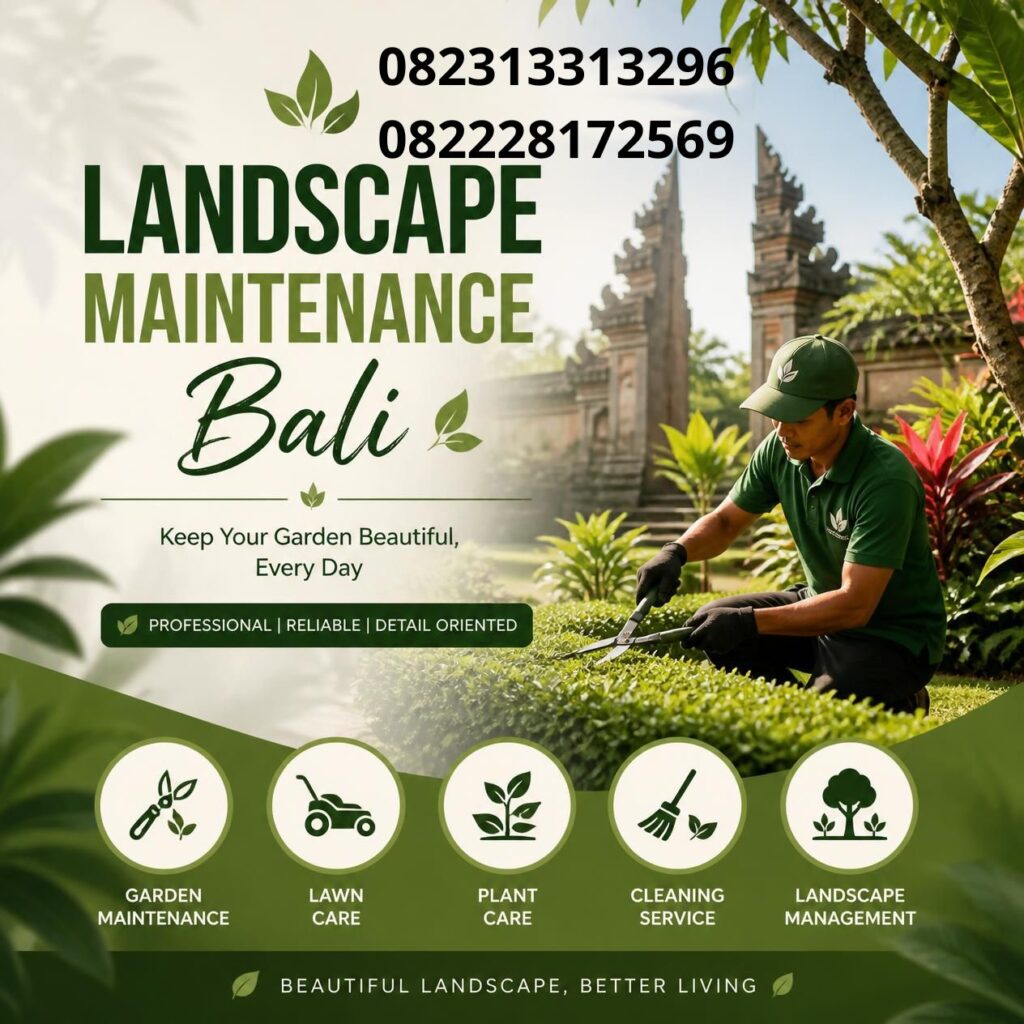
In a cooler climate, skipping two weeks of garden care barely shows. In Bali, two weeks is enough for creepers to climb walls, grass to overrun the edges of stepping stones, and bougainvillea to send long thorny canes across a walkway. Fast growth also means fast accumulation of fallen leaves, which clog pool skimmers and drains.
Why “Just Hire a Gardener” Usually Isn’t Enough
Let me be fair here. Many local gardeners are hardworking and know plants well. The problem is rarely effort. It’s scope and accountability.
A single gardener working without a plan tends to focus on what’s visible: mowing, sweeping, watering. The tasks that actually protect the landscape often go undone because no one has listed them:
- Checking irrigation lines and sprinkler heads for leaks or blockages
- Clearing drainage channels before the wet season starts
- Trimming palm trees safely, which needs proper equipment and experience at height
- Feeding soil on a schedule instead of only when plants look sick
- Spotting early signs of pests like snails, mealybugs, scale insects, or termites near timber structures
- Keeping a record of what was done so an absentee owner can see it
That last point matters for owners who live overseas or split their time between Bali and elsewhere. If you can’t see the garden, you need someone who reports on it.
read also : https://arovabuild
What Proper Landscape Maintenance in Bali Should Include
A complete plan covers more than mowing. Here’s how the core tasks usually break down by frequency for a typical villa garden.
| Task | Typical frequency | Why it matters |
|---|---|---|
| Lawn mowing and edging | Weekly in wet season, every 1–2 weeks in dry season | Keeps grass dense and stops it invading paths and beds |
| Leaf and debris clearing | Several times a week | Protects pools, drains, and guest areas |
| Watering check and timer adjustment | Weekly, adjusted by season | Prevents both drought stress and root rot |
| Shrub and hedge pruning | Every 2–4 weeks | Controls fast growth and keeps shape |
| Palm and tall tree trimming | Every 3–6 months | Removes heavy fronds and fruit that can fall on people |
| Fertilizing and soil care | Every 1–3 months depending on soil | Replaces nutrients washed out by rain |
| Pest and disease inspection | Every visit, treatment as needed | Catches problems early while they’re cheap to fix |
| Drainage channel cleaning | Monthly, and before the wet season | Prevents flooding and erosion |
| Mulch top-up | Every few months | Holds moisture and suppresses weeds |
| Stone, path, and pond cleaning | Monthly or as needed | Stops moss and algae making surfaces slippery |
Lawn care that suits the tropics
Most Bali villa lawns use warm-climate grasses that spread quickly. They respond well to regular cutting at the right height. Cutting too short in the dry season stresses the grass; letting it grow too long in the wet season invites fungal patches. Shaded lawns under large trees often struggle, and sometimes the honest advice is to replace the grass in those spots with ground cover or gravel.

Pruning with a purpose
Pruning in a tropical garden isn’t about making everything neat and round. It’s about light, airflow, and safety. Opening up dense shrubs reduces fungal disease. Lifting low branches keeps paths clear for guests. Heavy coconut palms near seating areas deserve particular attention, since falling fruit and fronds are a genuine hazard.
Irrigation and drainage, the invisible half
Water management decides whether a Bali garden thrives. A good maintenance team checks that sprinkler and drip lines reach every bed, that nozzles aren’t clogged with mineral deposits, and that timers change with the seasons. Just as important is moving water away: clearing channels, checking that soil slopes away from buildings, and fixing low spots where puddles form after rain.
Soil feeding and pest control
Heavy rain flushes nutrients out of the soil, which is why Bali gardens often look hungry by the end of the wet season. Regular feeding with organic matter and suitable fertilizer keeps plants strong enough to resist pests. Where treatment is needed, a careful team chooses the gentlest effective option, especially around pools and areas where children and pets play.
If you’d rather not manage this list yourself, arovabuild.com offers structured landscape maintenance that covers these tasks on a set schedule, so the work gets done whether or not you’re on the island.
Adjusting the Plan Around Seasons and Ceremony Days
A smart maintenance calendar in Bali follows the island’s rhythm, not just the weather.
Before the wet season (around October): clear all drains, prune heavy canopies that could snap in storms, check that slopes are stable, and refresh mulch on exposed soil.
During the wet season: reduce irrigation sharply or switch it off, watch for fungal problems and standing water, and clear storm debris quickly.
Before the dry season (around March and April): test the full irrigation system, feed the soil to replace what the rain washed away, and replant any gaps while there’s still some moisture in the ground.
During the dry season: water deeply and less often, mow a little higher, and keep an eye on stressed plants.
Bali’s ceremonial calendar matters too. On Nyepi, the Day of Silence, no work happens anywhere on the island, and around major holidays like Galungan and Kuningan many workers return to their home villages. A reliable maintenance provider plans around these dates in advance so your garden doesn’t go untouched at the wrong moment, such as during a busy guest period.
How to Choose a Landscape Maintenance Partner in Bali
This is where owners can save themselves a lot of frustration. Not every option suits every property, so it helps to know the main ways maintenance is usually arranged.
In-house gardener only. Lowest cost and good for daily tidying. Works well for small gardens with an owner living on site who can supervise. The weakness is specialist tasks like tree work, irrigation repair, and pest treatment.
Scheduled maintenance contract. A team visits on a fixed schedule with a defined task list. This suits rental villas and absentee owners who need consistency and reporting. Costs more than a single gardener but usually less than repairing a neglected garden.
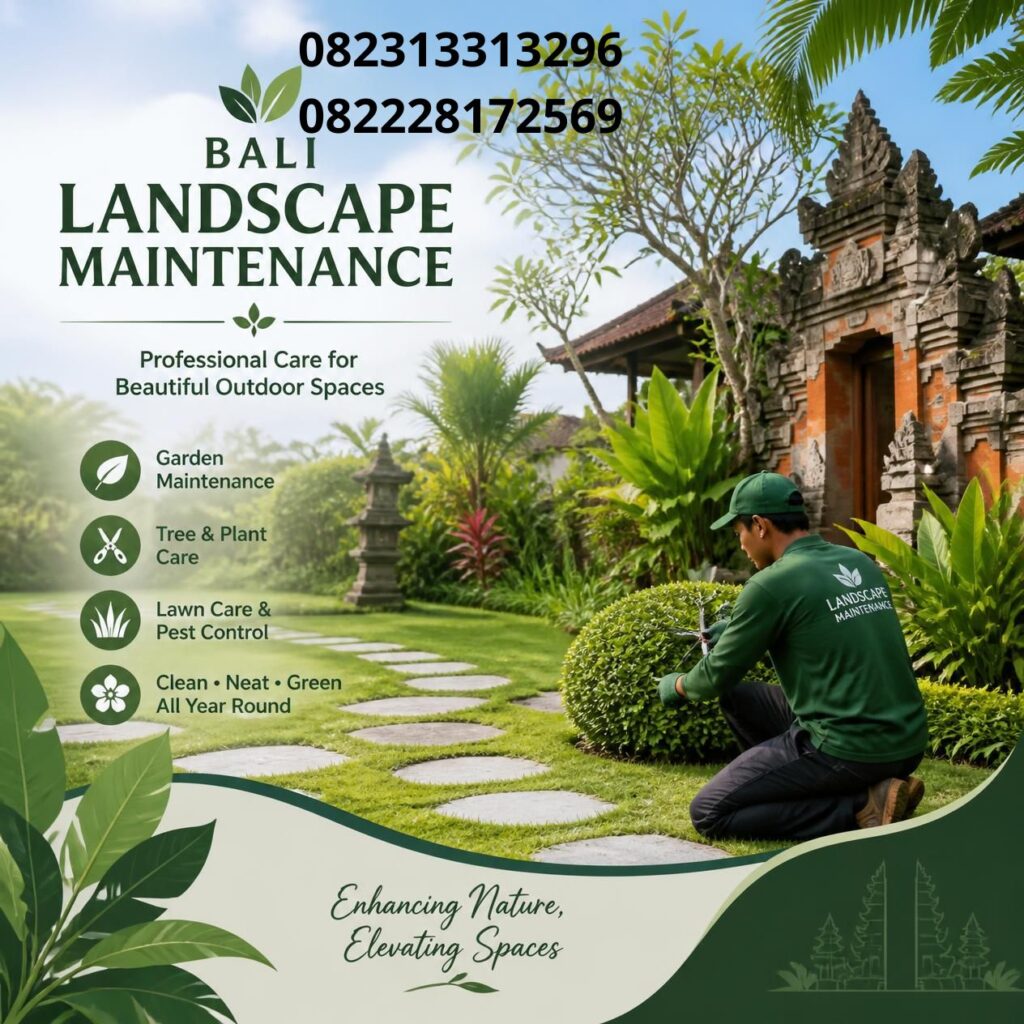
Combined approach. An on-site gardener handles daily sweeping and watering, while a professional team handles periodic pruning, feeding, irrigation checks, and seasonal preparation. For many mid-size villas this is the most cost-effective setup.
Questions to ask before you sign
- What exactly is included in each visit, and is it written down?
- How do you adjust the schedule between wet and dry season?
- Who handles tall palm and tree trimming, and do they have proper safety equipment?
- How will you report to me if I’m not in Bali? Photos after each visit are a reasonable request.
- What happens around Nyepi and major holidays?
- Are fertilizers, mulch, and replacement plants included or charged separately?
A provider who answers these clearly, without vague promises, is usually one who runs an organized operation.
What it typically costs, and what drives the price
Prices vary widely, so I won’t pretend there’s one number. A compact villa garden on a basic scheduled plan generally sits in the range of a few million rupiah per month, while larger estates, resort grounds, and sloped sites with complex irrigation cost considerably more. The main factors are garden size, visit frequency, the number of tall trees and palms, irrigation complexity, and whether materials are included.
The cheapest quote is rarely the cheapest result. A plan that skips drainage work or soil feeding can lead to plant replacement bills that wipe out a year of savings. The most accurate way to price your property is a site visit followed by a written scope. Teams like arovabuild.com can assess your garden and give you a quote that matches what it actually needs.
Frequently Asked Questions
How often should a villa garden in Bali be maintained?
Most villa gardens need attention at least once a week, with daily light tasks like sweeping and leaf removal. Specialist work such as palm trimming and soil feeding happens every one to six months depending on the task.
What is the best time to prune trees in Bali?
Late in the dry season, just before the rains arrive, is ideal for heavier pruning. It reduces the risk of storm damage and gives plants a burst of growth once the rain comes.
Can I maintain my Bali garden while living overseas?
Yes, provided you work with a team that follows a written plan and sends regular updates with photos. Clear reporting replaces the need for you to inspect the garden in person.
Why is my lawn in Bali turning yellow or patchy?
Common causes include overwatering in the wet season, underwatering in the dry season, too much shade, compacted soil, or nutrient loss from heavy rain. An on-site check usually pinpoints the cause quickly.
Does landscape maintenance include pool area planting?
A good plan should cover it. Planting near pools needs extra care because falling leaves and flowers affect water quality, and any pest treatment must be safe for swimmers.
How much does landscape maintenance in Bali cost?
It depends on garden size, visit frequency, tree count, and irrigation complexity. Small villa gardens usually start at a few million rupiah per month. Request a site visit for an exact quote.
A Garden That Earns Its Keep
A Bali garden can be one of the best features of your property or one of its quietest liabilities. The difference comes down to planning: understanding the two seasons, managing water in both directions, feeding the soil, pruning for safety and airflow, and keeping someone accountable when you aren’t there to see it.
Strong landscape maintenance in Bali protects what you’ve already paid for, keeps guests photographing your garden for the right reasons, and saves you from expensive replanting down the line. Based in Surabaya and a short crossing from the island, arovabuild.com helps villa owners, rental operators, and property managers keep their gardens healthy all year. Get in touch for a site assessment and a maintenance plan built around your property, your season, and your schedule.
