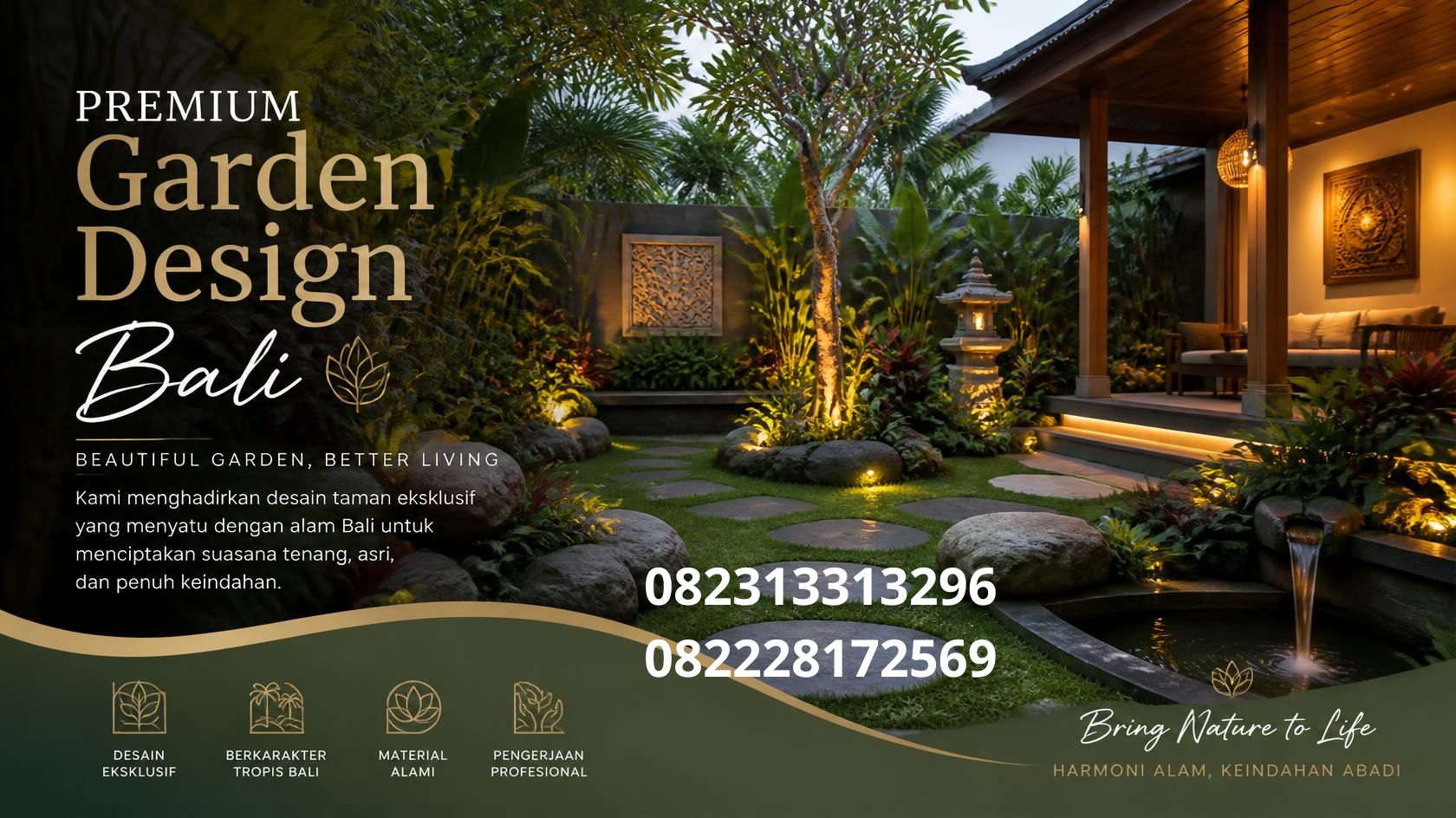
Premium Garden Design Bali: Five Styles Compared for Villas That Have to Look Good Year-Round – arovabuild
Premium Garden Design Bali – The most expensive mistake I see with premium garden design in Bali is choosing a garden from a photo. A villa owner falls for an image of a lush courtyard, gets it built, and by the second wet season half the planting has rotted, the stone paths are green with algae, and water is pooling against the guest bungalow. The garden looked premium on day one. It just wasn’t designed for Bali.
A premium garden here is not defined by how much you spend on plants or stone. It’s defined by how well the design handles heavy tropical rain, salt wind, intense sun, and the realities of maintenance when you’re not on the island. Get those right and the garden improves every year. Get them wrong and you pay to rebuild it.
Below, I compare the five garden styles that work best for Bali villas, resorts, and private homes, explain what each one costs to maintain, and show you how to pick the right one for your site and your goals.

Chat on WhatsApp
Chat on WhatsApp
Why Bali Gardens Fail Faster Than Owners Expect
Bali’s climate is generous to plants and brutal to bad design. Rainfall comes in bursts, especially during the wet season, which usually runs from around November to March. A single afternoon storm can drop more water than a poorly graded garden can drain. Meanwhile, the dry months bring strong sun and, on the southern coast, salty winds that scorch delicate leaves.
Each area of the island adds its own conditions:
- Canggu, Seminyak, and Berawa: small, tight plots, high groundwater in places, and constant rental turnover that demands low-fuss planting.
- Uluwatu and the Bukit Peninsula: limestone ground, thin topsoil, strong wind, and very little shade. Soil often has to be imported.
- Ubud and the central highlands: high humidity, cooler nights, sloping land, and fungal problems for plants that hate wet feet.
- Sanur and the east coast: salt spray and sandy soil close to the beach.
A design that ignores these differences will cost you money in replacements. A design built around them will need far less attention.
The Five Styles of Premium Garden Design in Bali, Compared
Before looking at each style in detail, here is a quick side-by-side view. Maintenance levels assume a typical villa with a dedicated gardener visiting several times a week.
| Garden style | Best suited for | Maintenance level | Rental/resale appeal | Main risk |
|---|---|---|---|---|
| Classic Balinese tropical | Ubud, family villas, cultural retreats | Medium to high | Very high with tourists | Overgrowth if neglected |
| Modern tropical minimalist | Canggu, Seminyak, investor villas | Low to medium | High with younger guests | Can feel bare if under-planted |
| Resort-style pool garden | Luxury rentals, boutique resorts | High | Highest for premium rentals | Pool-edge drainage and leaf litter |
| Dry tropical / xeriscape | Uluwatu, Bukit, cliff-top sites | Low | Growing, especially for long stays | Looks sparse in the first year |
| Rainforest courtyard | Small plots, inner courtyards, bathrooms | Medium | High for “wow factor” | Humidity, mold, poor airflow |
Classic Balinese Tropical: Stone, Water, and Layered Green
Premium Garden Design Bali – This is the style most people imagine when they think of Bali. Carved paras stone, andesite statues, lotus ponds, frangipani trees, heliconia, red ginger, and dense layers of foliage that make a garden feel older than it is.
Where it shines: It suits villas marketed on culture and atmosphere, especially around Ubud, where the surrounding landscape already supports the look. Guests photograph these gardens constantly, which helps rental listings.
What to watch: Classic Balinese gardens grow fast. Without regular pruning, paths disappear and light stops reaching the lower plants. Paras stone is beautiful but porous, so it darkens and grows moss in shaded, damp corners. Plan for periodic cleaning or use it only in areas with good sun and airflow.
Consultant’s tip: Keep the planting layered but limit the plant palette to around eight to twelve species. Gardens with thirty different plants look messy within a year because each species grows at a different pace.

Modern Tropical Minimalist: Clean Lines That Still Feel Like Bali
Modern tropical design uses fewer plant species in bold groups, strong geometry, and materials like terrazzo, smooth andesite, washed pebbles, and concrete planters. Think rows of foxtail palms, sweeps of mondo grass, sculptural alocasia, and well-placed uplighting.
Where it shines: This is the favorite of investors in Canggu and Seminyak. It photographs cleanly, matches contemporary villa architecture, and is easier for a rental manager to keep tidy between guests.
What to watch: Minimalist gardens show every flaw. One dead plant in a row of twelve is obvious. Hard surfaces also get hot in the dry season and can create slippery algae in the wet season if drainage is poor. Choose textured or honed finishes for walking surfaces rather than polished ones.
Consultant’s tip: “Minimal” should never mean under-planted. Mass planting in generous groups gives the clean look without the empty feeling.
baca juga : https://arovabuild
Resort-Style Pool Garden: Built Around the Water
Premium Garden Design Bali – In most Bali villas, the pool is the centerpiece, and the garden either frames it well or fights it. A resort-style pool garden treats the pool deck, daybed area, outdoor shower, and surrounding planting as one composition.
Where it shines: Premium rental villas and boutique resorts, where nightly rates depend heavily on the pool area photos.
What to watch: Leaf drop is the hidden cost. Trees planted too close to the pool, especially large-leafed or flowering ones, will clog filters and stain the finish. Pool edges also need careful grading so rain runs away from the water, not into it, carrying soil and mulch with it.
Consultant’s tip: Use clean-dropping plants near the water, keep shade trees on the side opposite the prevailing wind, and put lighting under plants rather than on poles so the pool area glows at night instead of looking like a parking lot.

Dry Tropical and Xeriscape: Built for the Bukit
On the limestone cliffs of the south, fighting the conditions with lush, thirsty planting is expensive and often fails. A dry tropical garden leans on hardy species such as agave, bougainvillea, frangipani, succulents, native grasses, and coastal shrubs, combined with gravel, rock, and natural stone.
Where it shines: Cliff-top villas in Uluwatu, Pecatu, and Ungasan, and owners who spend long stretches off the island.
What to watch: These gardens look thin for the first six to twelve months while plants establish. Owners sometimes panic and add water-hungry plants, which defeats the purpose. Set expectations early.
Consultant’s tip: Invest in proper windbreak planting on the ocean side. It protects everything behind it and makes outdoor seating far more comfortable.
Rainforest Courtyard: Big Impact in Small Spaces
Many Bali villas have narrow side gardens, inner courtyards, and open-air bathrooms. These spaces suit a rainforest treatment: tree ferns, bird’s nest ferns, philodendrons, moss walls, stepping stones, and a small water feature.
Where it shines: Tight plots in Seminyak and Canggu, and any villa that wants a dramatic arrival moment or bathroom view.
What to watch: Without airflow and drainage, a courtyard becomes a mold trap that affects nearby walls and furniture. Good design includes gaps for air movement, gravel beds under planting, and drains that can actually cope with a tropical downpour.
What Actually Makes a Garden “Premium”
Price alone doesn’t make a garden premium. These factors do, and they’re where experienced designers spend most of their time:
- Drainage designed first, plants second. Grading, subsurface drains, and soakaways determine whether the garden survives its first wet season.
- Soil preparation. Bali’s soil varies from rich volcanic earth to bare limestone. Premium projects test and improve soil before anything is planted.
- Mature planting where it counts. A few large specimen trees and palms give instant structure, while smaller plants fill in over time.
- Hardscape that ages well. Natural stone, hardwood decking such as ironwood or bengkirai, and terrazzo can last for decades when they’re detailed correctly.
- Lighting and irrigation planned together. Cables and pipes should go in before the planting, not dug in afterward.
- A maintenance plan your gardener can follow. The best design in the world fails if the person caring for it doesn’t know what each plant needs.
If you’re planning a villa garden and want a second opinion on drainage, materials, or style before committing, the team at arovabuild.com can review your site plan and recommend an approach that suits both the location and the way you’ll use the property.
How Much Does Premium Garden Design in Bali Cost?
Costs vary widely because every site is different. A small courtyard with quality materials and established plants might sit in the tens of millions of rupiah, while full landscaping for a large villa with a pool garden, lighting, irrigation, and hardscape can reach several hundred million rupiah or more.
The biggest cost drivers are:
- Site condition, especially slopes, limestone, and drainage problems
- Amount of hardscape compared to softscape
- Size and maturity of trees and palms
- Water features and pool-edge work
- Lighting and automated irrigation
- Access for trucks and materials, which matters a lot on narrow lanes
A common mistake is spending most of the budget on visible plants and statues while cutting corners on drainage and soil. That’s backward. The hidden work protects everything you can see.
For an accurate figure, you’ll need a site visit or at least detailed plans and photos. A reliable contractor should give you a breakdown by category rather than a single lump sum.

Working With a Surabaya-Based Team on a Bali Project
Many international owners assume their landscaping team must be based in Bali. In practice, a well-organized team from East Java can serve Bali projects effectively. Surabaya sits close to the island, with regular flights and a straightforward overland route to the Ketapang–Gilimanuk ferry crossing, which makes it practical to move people and materials.
There are real advantages to this setup:
- Material sourcing. Java has a deep supply of natural stone, hardwood, and fabricated elements, which can help with both quality control and availability.
- Coordinated construction. If your villa also needs structural work, outdoor pavilions, or interior finishing, one team can handle the garden as part of the larger build instead of treating it as an afterthought.
- Clear project management. For overseas owners, regular photo and video updates matter more than where the office is located.
The key is to ask any contractor how they handle site supervision, plant sourcing on the island, and aftercare once the project is finished.
How to Choose the Right Style for Your Property
Use these questions to narrow your choice:
Who will use the garden? Rental guests want pool areas, photogenic corners, and shade. A family home needs lawn space, safe paths, and privacy. Long-stay owners often value calm and low maintenance above all.
How often will you be on the island? If you live abroad most of the year, lean toward modern minimalist or dry tropical styles. Classic Balinese gardens reward constant care.
What does your land want to be? A steep Ubud slope suits terracing and layered tropical planting. A flat limestone plot in the Bukit suits a dry garden. Work with the site, not against it.
What is your architecture saying? A contemporary concrete-and-glass villa looks odd surrounded by heavily carved stone. A traditional joglo or alang-alang roof sits naturally among classic Balinese planting.
Can you combine styles? Often, yes. A resort-style pool zone, a rainforest entry courtyard, and dry tropical planting on the windy edge can coexist beautifully when the transitions are planned.
Frequently Asked Questions
How long does it take to build a premium garden in Bali?
A small courtyard can be finished in a few weeks. Full villa landscaping usually takes one to three months, depending on hardscape, water features, and plant availability.
When is the best time to plant a garden in Bali?
The start of the wet season helps new plants establish with natural rainfall, but heavy rain can delay earthworks. Many projects complete hardscape and drainage during the dry months, then plant as the rains begin.
Which plants are easiest to maintain in Bali?
Frangipani, bougainvillea, cordyline, mondo grass, mature palms, and many ferns are reliable choices when they’re planted in the right conditions. The key is matching each plant to sun, shade, and drainage.
Can a garden increase my villa’s rental income?
A well-designed garden improves listing photos, guest reviews, and perceived value, which supports higher nightly rates. A neglected one has the opposite effect.
Do I need to be in Bali during the project?
Not necessarily. With clear plans, regular progress updates, and a trusted contractor, many overseas owners manage their garden projects remotely.
How do I keep the garden looking good while I’m away?
Ask for a written maintenance guide covering pruning, fertilizing, pest checks, and drain cleaning, and make sure your gardener or villa manager receives a handover walkthrough.
A Garden That Gets Better Every Wet Season
The right premium garden design in Bali starts with the ground and the weather, not the photo you saved. Compare the five styles honestly against your site, your architecture, and how much maintenance you can realistically support. Put drainage and soil first, invest in a few strong specimen plants, and choose hardscape that ages gracefully in the tropics.
Do that, and your garden will look fuller, calmer, and more valuable each year instead of slowly falling apart.
When you’re ready to plan your villa garden, arovabuild.com can help you choose the right style, prepare the site properly, and deliver a landscape that suits Bali’s climate and your goals. Share your location, plot size, and a few photos, and get a clear recommendation and quote for your project.
