Bali Landscaping Experts: Why Most Villa Gardens Fail in Year Two (and How to Build One That Doesn’t) – arovabuild
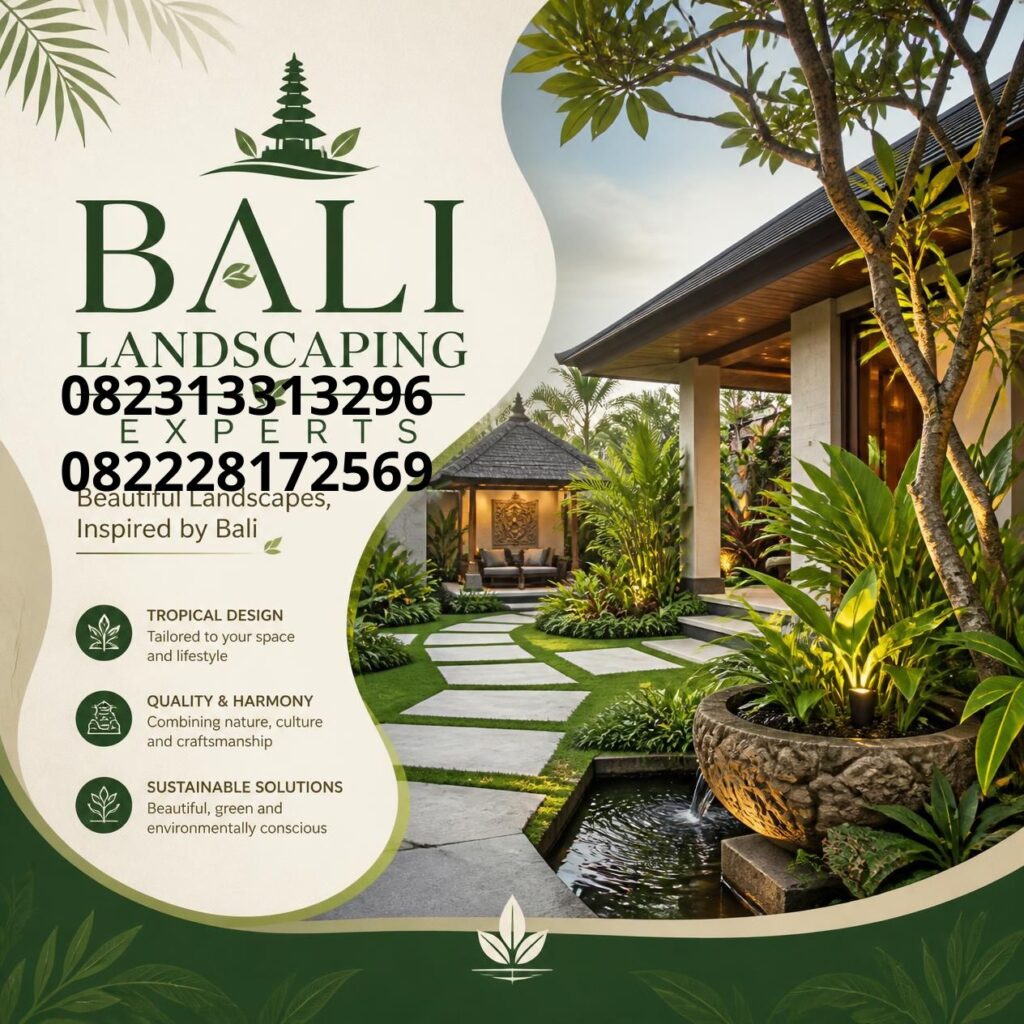
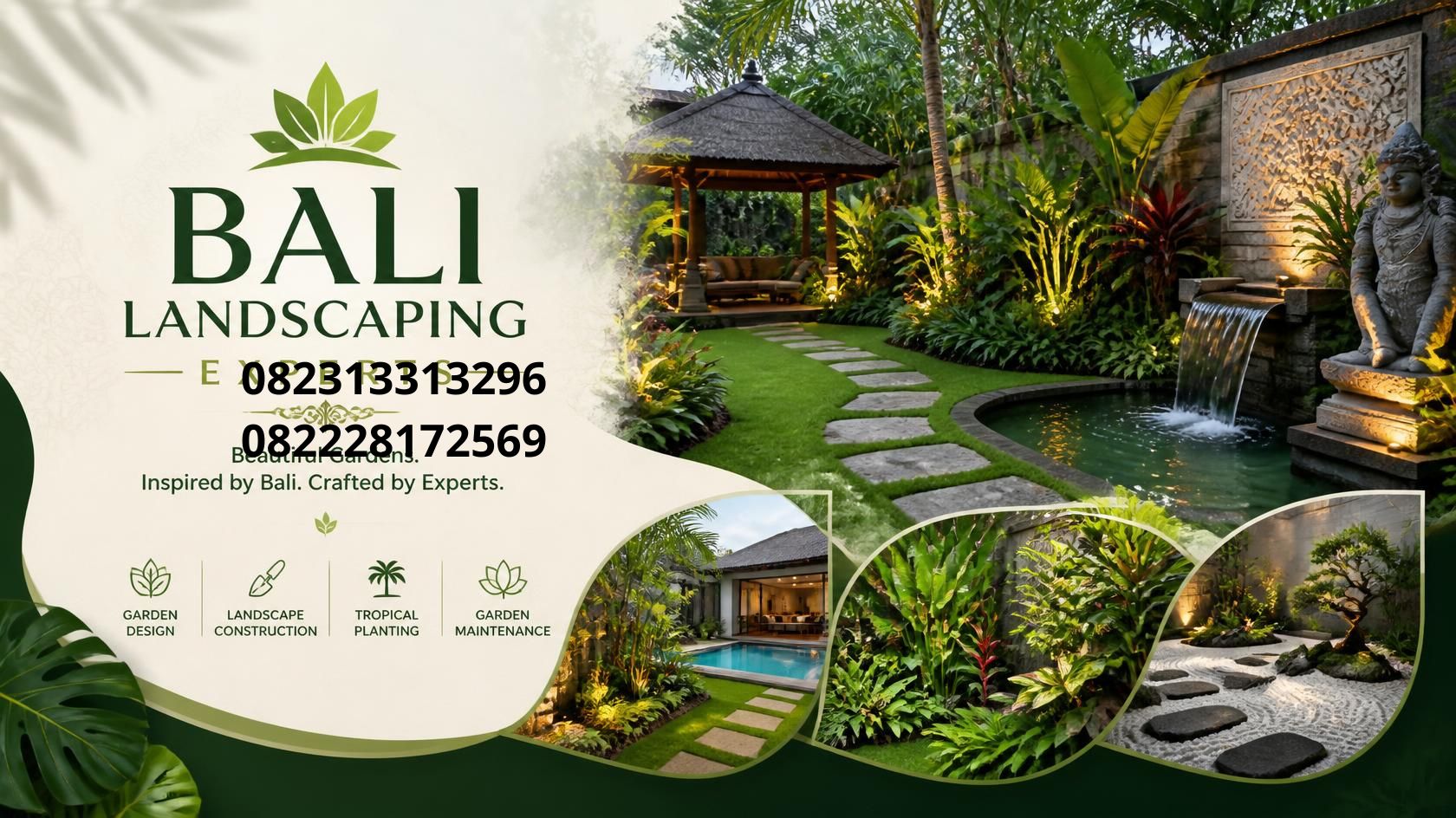
Bali Landscaping Experts – A beautiful garden on opening day proves almost nothing.
Anyone can plant a row of frangipani, lay fresh grass, and photograph it under golden light for a rental listing. The real test comes 18 to 24 months later, after two monsoon seasons, a long dry spell, and a few rounds of guests walking across the lawn to the pool. That’s when you find out whether you hired genuine Bali landscaping experts or just a crew that knew how to make things look good for a week.
If you own a villa, manage a boutique resort, or are developing property on the island from overseas, this guide is for you. It covers why tropical gardens in Bali so often decline, what causes it, and how to choose a landscaping partner who builds for the long term rather than for the handover photos.

Chat on WhatsApp
Chat on WhatsApp
The Garden That Looked Perfect in March
Bali Landscaping Experts – Here’s a pattern seen over and over across Canggu, Ubud, Sanur, and the Bukit Peninsula.
A villa owner completes construction during the dry season. The landscape team installs mature palms, a lush lawn, layered tropical shrubs, and a stone pathway. Everything looks finished and expensive.
Then the wet season arrives. Water pools in the lawn and won’t drain. The grass near the pool deck turns yellow, then brown. A section of the garden wall starts to lean. Palms planted too close to the house begin lifting paving stones with their roots. By the second year, the owner is paying for a “renovation” of a garden that was supposed to last a decade.
None of this is bad luck. Each problem has a specific cause, and almost all of them can be prevented at the design stage.
Why Tropical Gardens in Bali Break Down
Drainage gets treated as an afterthought
Bali Landscaping Experts – Bali’s wet season, which typically runs from around November to March, can deliver intense downpours in a matter of hours. Many villa plots, especially in rice-field conversion areas around Canggu and Tabanan, sit on heavy clay soil that holds water like a bowl.
When a landscaper lays turf and topsoil directly over compacted clay without subsurface drainage, the roots sit in water for weeks. Grass rots. Shrubs develop root disease. Pathways sink. Proper drainage is invisible once the garden is finished, which is exactly why inexperienced teams skip it.
Plants chosen for the photo, not the location
A plant that thrives in humid, shaded Ubud may struggle on the dry limestone plateau of Uluwatu or Pecatu. Coastal sites in Seminyak and Jimbaran deal with salt spray and strong sea breezes that scorch delicate leaves.
Choosing plants based on a mood board instead of the specific microclimate of the plot is one of the most common mistakes in Bali landscaping.
Hardscape and softscape built by different people with no coordination
Pool decks, retaining walls, stepping stones, and garden lighting are often installed by the building contractor, while the plants come from a separate supplier. Nobody plans how water flows off the pool deck, where irrigation pipes run under paving, or how much root space a palm needs before it hits a foundation.
No plan for maintenance
A tropical garden grows fast. Without a realistic maintenance plan covering pruning, fertilizing, pest control, and irrigation checks, even a well-built garden becomes overgrown or patchy within a year. Many owners live abroad and assume someone is “taking care of it,” only to discover the opposite on their next visit.
What Bali Landscaping Experts Do Differently
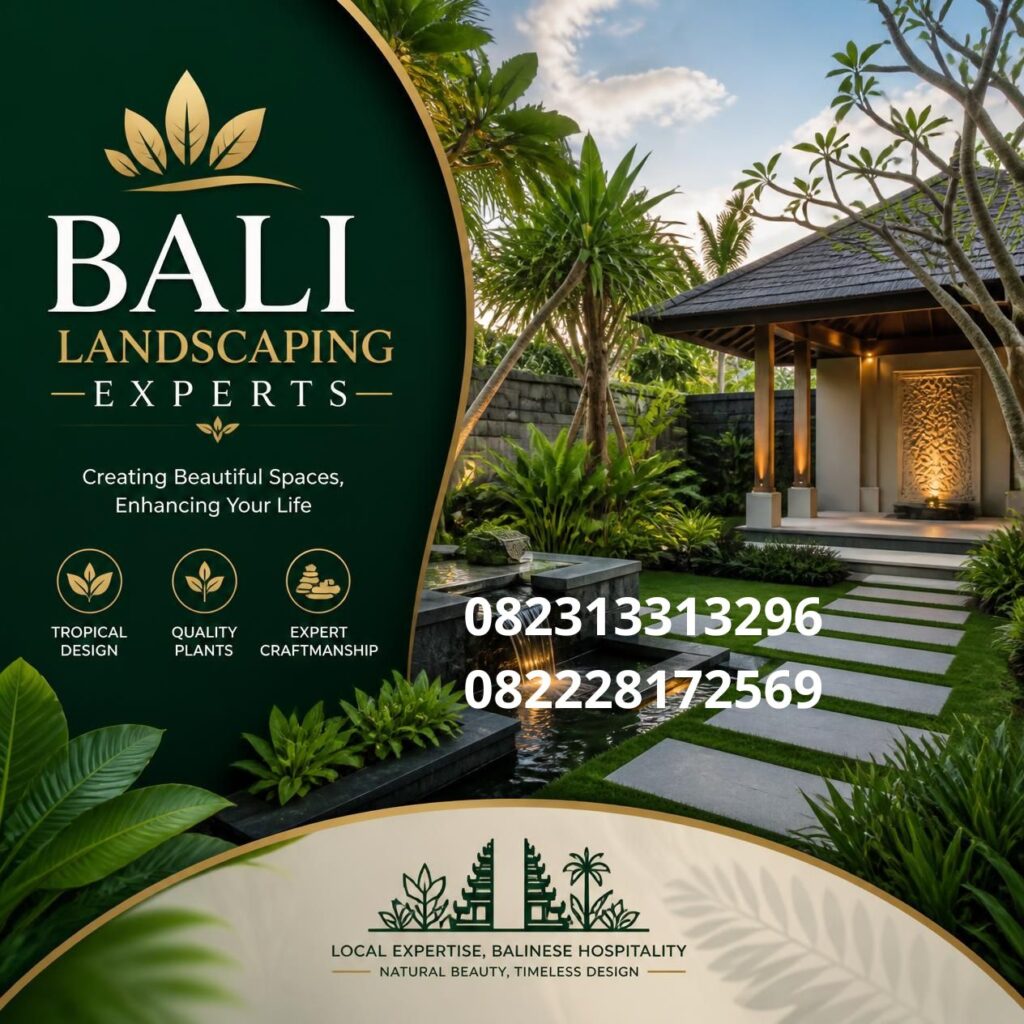
Good landscape work in Bali starts long before the first plant goes in the ground. Here’s what separates a long-lasting garden from a short-lived one.
read also : https://arovabuild
They read the site first
A proper site assessment looks at:
- Soil type: clay, volcanic loam, sandy coastal soil, or limestone rock
- Slope and water flow: where rainwater enters, collects, and exits the property
- Sun exposure: which areas get harsh afternoon sun and which stay shaded
- Wind and salt exposure: critical for beachfront and clifftop villas
- Existing structures: foundations, septic systems, pool equipment, and utility lines
- How the space will be used: private family retreat, rental villa with heavy guest traffic, or resort common area
This information shapes every decision that follows.
They design drainage as part of the garden
French drains, gravel sub-layers, swales disguised as dry riverbeds, and properly graded lawns are standard for experienced teams working in Bali. A well-designed drainage system can turn a monsoon-prone garden into one that recovers within hours of a heavy storm.
They match plants to the microclimate
Experienced landscapers build planting plans around species that genuinely suit the site. Some reliable choices for Bali include:
| Site condition | Plants that typically perform well |
|---|---|
| Full sun, inland | Frangipani, bougainvillea, bird of paradise, agave, ornamental grasses |
| Shade and humidity | Ferns, alocasia, philodendron, heliconia, ginger |
| Coastal and salt-exposed | Pandanus, coconut palm, sea grape, beach morning glory |
| Lawn areas | Hardy tropical grasses suited to the specific sun and foot traffic levels |
| Dry limestone areas | Succulents, cycads, drought-tolerant shrubs |
The goal is a garden that looks naturally at home, needs less water, and holds up without constant replanting.
They treat hardscape and plants as one system
The best results come when one team plans pathways, walls, water features, lighting, and planting together. Natural stone such as paras, andesite, and the green stone often used around pools all behave differently when wet, exposed to sun, or covered in moss. An expert considers slip resistance, heat on bare feet, and how stone will age in tropical humidity.
The Hidden Cost of Choosing on Price Alone
It’s tempting to pick the lowest quote, especially when managing a project from another country. But in landscaping, the cheapest bid usually saves money by cutting the parts you can’t see: drainage layers, soil preparation, root barriers, and irrigation quality.
Those shortcuts tend to cost more within two years than they saved upfront.

Instead of comparing quotes by the total figure alone, ask each contractor to break down:
- Soil preparation and drainage work
- Hardscape materials and their sources
- Plant sizes and species
- Irrigation system type and coverage
- Warranty or replacement policy for plants that fail
- Ongoing maintenance options
A detailed breakdown tells you far more about a contractor’s expertise than a single lump-sum price.
If you’d like a second opinion on a quote you’ve already received, or want a fresh plan for your property, the team at arovabuild.com can review your site details and help you understand what your garden really needs.
How to Choose the Right Landscaping Team in Bali
Ask how they handle the wet season
This single question reveals a lot. A confident, specific answer about drainage, soil amendment, and plant selection is a strong sign. A vague answer like “we use good soil” is a warning.
Look at older projects, not just new ones
Ask to see gardens they completed two or three years ago. Freshly planted gardens always look good. Mature gardens show whether the work was done right.
Check how they communicate with overseas clients
If you’re based abroad, you need regular progress updates, clear photos, and straightforward explanations. A good team will provide a design plan, a planting list, and a schedule you can follow from anywhere.
Make sure design and construction are connected
Whether the same team handles both or they work closely with your architect and builder, someone needs to coordinate how the garden integrates with the structure. Gaps between trades are where most landscape failures begin.
Understand the maintenance plan before signing
Ask who will maintain the garden after handover, how often, and what’s included. A good landscaper will give you a realistic schedule and explain what happens in the first six months, when new plants are most vulnerable.
What Does Landscaping in Bali Typically Cost?
Prices vary widely depending on site size, design complexity, materials, plant maturity, and access. A small private villa garden with simple planting and a modest lawn sits at a very different level from a resort project with water features, extensive stonework, and mature specimen trees.
Factors that push costs up include:
- Steep or terraced sites that need retaining walls
- Mature trees and palms, which are expensive to source and transport
- Premium natural stone
- Water features, ponds, and fountains
- Automated irrigation and garden lighting
- Remote locations with difficult access for trucks
The most reliable way to get an accurate figure is a site-specific quote. A clear brief with your plot size, photos, and the look you want lets a landscaper give you a realistic estimate quickly.
Supporting Bali Projects From Surabaya
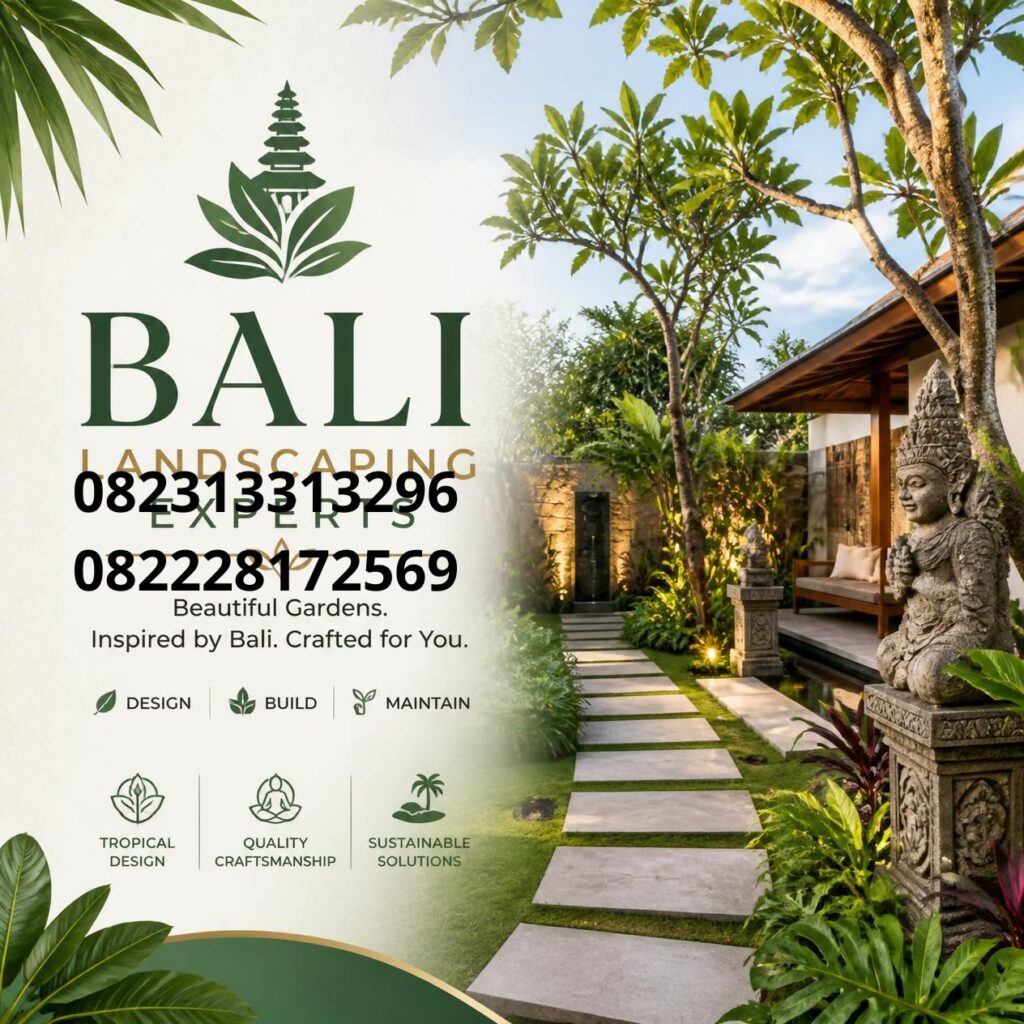
Working with a team based in Surabaya brings practical advantages for Bali projects. East Java is a major hub for building materials, stone, and nursery stock, and the overland route to Bali via the Ketapang–Gilimanuk crossing makes regular material deliveries straightforward.
That access can help with sourcing larger quantities of stone, plants, and construction materials for bigger villa or resort projects, while keeping coordination between design, materials, and installation in one place. arovabuild.com works from Surabaya and supports clients who want a structured, well-coordinated approach to landscape and outdoor construction in Bali.
Frequently Asked Questions
When is the best time to start a landscaping project in Bali?
The dry season, roughly April to October, is generally ideal for groundwork, drainage, and hardscape. Planting can happen year-round, but new plants need extra watering if installed during the driest months.
How long does a villa landscaping project take?
A small to medium villa garden often takes a few weeks, while larger resort landscapes with extensive stonework and water features can take several months. Site access and material availability also affect timing.
What grass works best for Bali villas?
It depends on sun exposure and foot traffic. Hardy tropical grasses suited to full sun work well for open lawns, while shaded areas often perform better with ground covers or ornamental planting instead of grass.
Can I manage a Bali landscaping project from overseas?
Yes. Choose a team that provides a clear design plan, regular photo updates, and a written schedule. Good communication matters as much as good workmanship when you can’t be on site.
How do I stop my garden from flooding in the rainy season?
Proper grading, subsurface drainage, and soil improvement are the main solutions. These are much easier and cheaper to install during the initial build than to retrofit later.
Do Bali gardens need a lot of maintenance?
Tropical gardens grow quickly, so regular care is essential. A well-designed garden using suitable plants needs far less intervention than one built around species that struggle in local conditions.
Build It Once, Enjoy It for Years
A great Bali garden isn’t about how it looks on handover day. It’s about how it looks after two monsoons, a long dry season, and years of guests enjoying it. That outcome comes from reading the site carefully, building drainage into the design, choosing plants that suit the microclimate, and treating stone, water, and greenery as one connected system.
The right Bali landscaping experts will ask detailed questions, explain their choices honestly, and plan for the garden’s long-term health rather than a quick finish.
If you’re planning a new villa garden, upgrading a resort landscape, or fixing a garden that hasn’t held up, reach out to arovabuild.com. Share your plot details and the look you have in mind, and get a clear, site-specific plan and quote to help you build a garden that lasts.