Residential Contractor Bali: Complete Guide to Building Smart Homes in Paradise – arovabuild
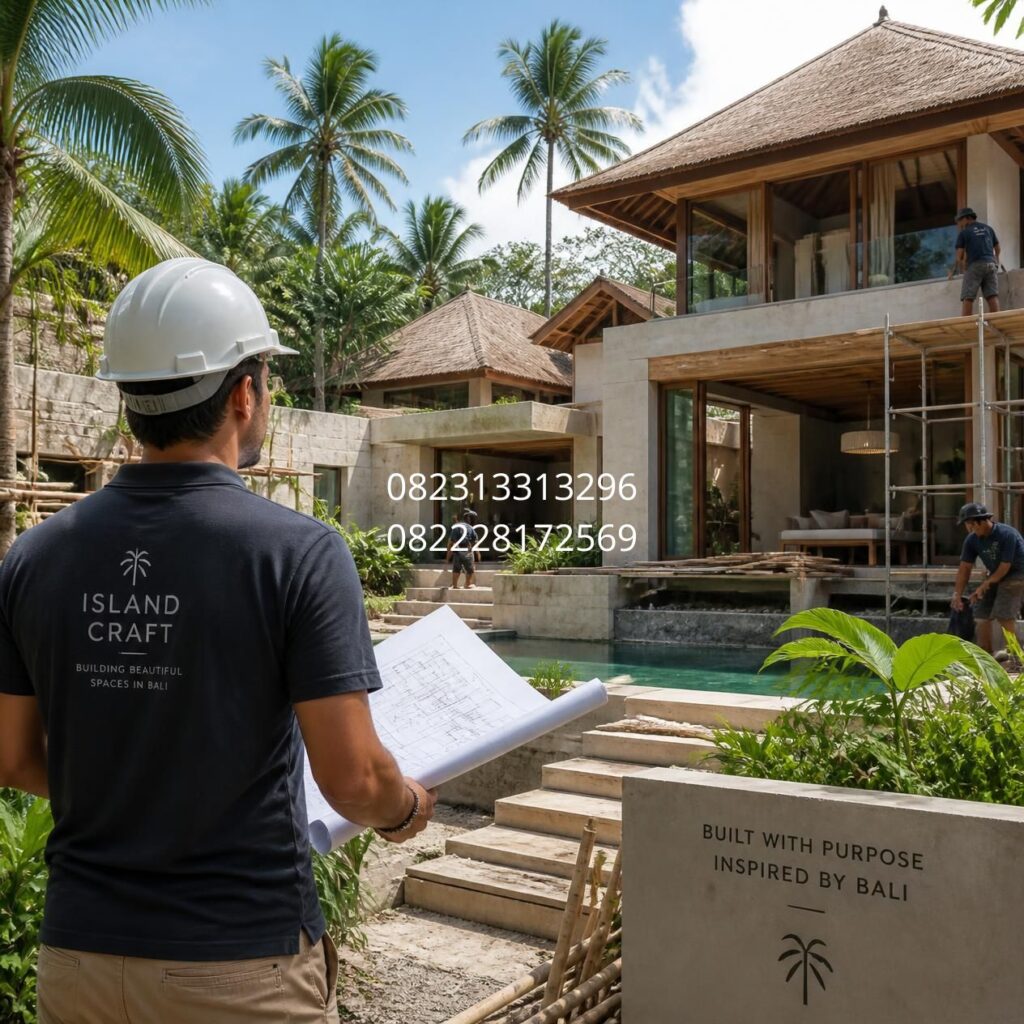
Residential Contractor Bali – Building a home in Bali requires careful planning and the right professional support. Therefore, many homeowners rely on a residential contractor Bali to manage construction efficiently. Moreover, a skilled contractor helps translate ideas into practical and buildable designs.
In addition, Bali offers diverse landscapes that influence construction approaches. For example, coastal areas require different materials compared to inland regions. Thus, choosing the right contractor becomes a critical first step.

Chat WhatsApp 1
Chat WhatsApp 2
Understanding the Role of a Residential Contractor Bali
A residential contractor Bali manages every stage of home construction from planning to completion. First, the contractor evaluates the site and understands client requirements. Then, the contractor develops a structured execution plan.
Moreover, the contractor coordinates architects, engineers, and workers. As a result, the project runs smoothly without unnecessary delays. In addition, the contractor ensures compliance with local building regulations.
Furthermore, contractors monitor quality throughout the construction process. Therefore, homeowners receive consistent and reliable results. This approach reduces risks and improves long-term building performance.
Key Services Offered by Residential Contractors in Bali
Design Planning and Development
A contractor collaborates with designers to create functional home layouts. First, the team analyzes land characteristics and climate conditions. Then, they develop designs that suit tropical environments.
Additionally, the design process balances aesthetics and usability. As a result, homeowners enjoy both comfort and visual appeal. This step ensures that the house meets long-term needs.
READ ALSO : http://arovabuild
Construction and Project Execution
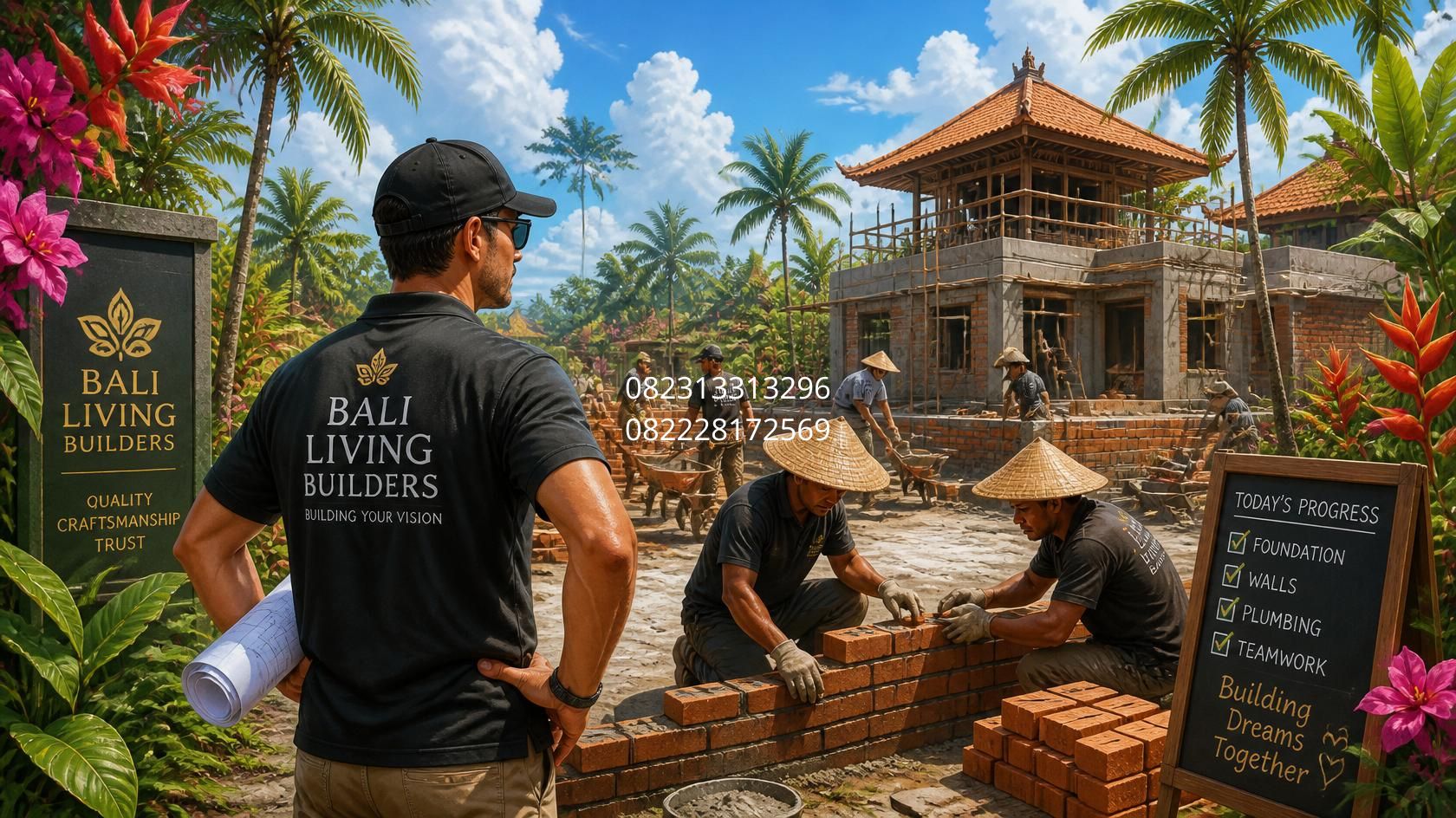
The contractor leads construction activities with clear timelines and supervision. First, the team prepares the foundation based on soil conditions. Then, they proceed with structural and architectural work.
Moreover, supervisors check each stage to maintain quality standards. Consequently, the project avoids costly errors. This structured approach improves efficiency and accuracy.
Renovation and Home Improvement
A residential contractor Bali also handles renovation projects. For instance, homeowners upgrade older properties to meet modern standards. In addition, renovation improves functionality and energy efficiency.
Furthermore, contractors suggest practical improvements based on experience. Therefore, homeowners achieve better results without unnecessary changes.
Why Build a Home in Bali
Bali attracts homeowners due to its unique lifestyle and environment. First, the island offers a peaceful atmosphere for residential living. In addition, many areas provide access to beaches, schools, and healthcare.
Moreover, property values remain relatively stable in key regions. Therefore, building a home in Bali can support long-term investment goals. This factor makes construction an appealing option.
Residential Contractor Bali: Process and Workflow
Site Evaluation and Feasibility Study
The contractor begins by analyzing the land and its surroundings. First, the team checks soil stability and accessibility. Then, they assess environmental factors like drainage and sunlight.
Additionally, this step identifies potential construction challenges early. As a result, the project avoids unexpected complications.
Budget Planning and Cost Estimation
Next, the contractor prepares a detailed cost estimate. First, they calculate material and labor expenses. Then, they include additional costs such as permits and logistics.
Moreover, transparent budgeting helps clients plan effectively. Therefore, homeowners maintain control over their finances throughout the project.
Construction Phase Execution
During construction, the contractor manages daily operations. First, workers follow a structured schedule for each stage. Then, supervisors ensure all tasks meet technical standards.
Furthermore, regular updates keep clients informed about progress. Consequently, communication remains clear and consistent.
Design Considerations for Residential Projects in Bali
Climate-Responsive Architecture
Bali’s tropical climate requires thoughtful design strategies. First, architects maximize natural ventilation to reduce heat. Then, they position windows to improve airflow.
Additionally, roofing materials must withstand humidity and rainfall. Therefore, selecting durable materials becomes essential.

Space Optimization and Layout
Designers create layouts that support daily activities efficiently. First, they organize living spaces for comfort and accessibility. Then, they include outdoor areas like gardens or terraces.
Moreover, flexible spaces allow future modifications. As a result, the home adapts to changing needs over time.
Material Selection for Durability
Contractors choose materials based on environmental conditions. For example, they use moisture-resistant materials in humid areas. In addition, they select finishes that require minimal maintenance.
Thus, proper material selection improves building longevity and reduces repair costs.
Choosing the Right Residential Contractor Bali
Selecting the right contractor requires careful evaluation. First, review the contractor’s portfolio to assess previous projects. Then, check their experience with similar residential builds.
Additionally, communication style plays an important role. Therefore, choose a contractor who provides clear and regular updates. This approach ensures alignment throughout the project.
Moreover, transparency in pricing builds trust. As a result, clients avoid hidden costs and misunderstandings.
Cost Factors in Residential Construction in Bali
Several factors influence construction costs in Bali. First, land location affects material transportation expenses. Then, design complexity impacts labor and construction time.
Additionally, material quality determines overall cost levels. Therefore, homeowners must balance quality and budget carefully.
Furthermore, weather conditions can affect timelines. As a result, delays may increase project costs if not managed properly.
Common Challenges and Practical Solutions
Construction projects in Bali often face unique challenges. First, uneven terrain may require specialized foundation work. However, contractors solve this issue through proper site preparation.
Next, supply chain delays can affect material availability. Therefore, contractors plan procurement schedules carefully.
Additionally, regulatory requirements may change over time. Consequently, contractors stay updated with local rules to ensure compliance.
Residential Construction Trends in Bali
Modern residential projects in Bali reflect evolving lifestyle preferences. First, homeowners prefer open-plan living spaces. In addition, natural lighting remains a key design feature.
Moreover, sustainable construction practices gain popularity. Therefore, many projects incorporate eco-friendly materials and energy-efficient systems.
Furthermore, smart home features continue to grow in demand. As a result, homeowners enjoy improved convenience and security.
Project Management and Quality Control
Effective project management ensures successful construction outcomes. First, managers define clear timelines and milestones. Then, they coordinate all teams to maintain progress.
Additionally, quality control measures prevent structural issues. Therefore, supervisors inspect each stage thoroughly.
Moreover, documentation helps track project development. As a result, clients stay informed and confident throughout the process.
Long-Term Value of Hiring a Professional Contractor
Working with a professional contractor offers long-term benefits. First, proper construction reduces maintenance needs. Then, quality materials extend the building lifespan.
Additionally, efficient design lowers energy consumption. Therefore, homeowners save costs over time.
Furthermore, a well-built home increases property value. As a result, the investment becomes more rewarding in the future.
ArovaBuild as a Professional Residential Contractor Solution
Arovabuild adalah profesional yang menyediakan solusi konstruksi rumah di Bali secara terstruktur. The team focuses on practical planning and efficient execution. Moreover, they align each project with client goals and local conditions.
In addition, the team emphasizes transparency and clear communication. Therefore, clients understand each stage of the process. This approach supports better decision-making.
Legal and Regulatory Considerations for Residential Construction in Bali
Building a home in Bali requires strict attention to legal requirements. Therefore, a residential contractor Bali must guide clients through every regulatory step. Moreover, proper compliance prevents delays and legal complications.
Land Zoning and Ownership Rules
First, developers must understand zoning classifications before starting construction. Each zone defines permitted building types and usage. Therefore, residential projects must align with zoning regulations.
Additionally, foreign buyers must follow ownership structures allowed in Indonesia. For instance, leasehold agreements often provide a practical solution. As a result, investors can legally secure property rights.
Building Permits and Approvals
Next, contractors must obtain building permits before construction begins. These permits confirm that the design meets safety and zoning standards. Therefore, early preparation speeds up approval processes.
Moreover, local authorities may require environmental assessments. Consequently, contractors must submit complete documentation for review. This step ensures transparency and compliance.
Sustainable Building Practices in Bali
Sustainability plays an important role in modern construction. Therefore, many residential contractor Bali professionals integrate eco-friendly strategies. Moreover, sustainable homes reduce environmental impact and long-term costs.
Energy Efficiency and Natural Cooling
First, designers prioritize natural airflow to reduce reliance on air conditioning. Then, they incorporate shading elements to control heat exposure. As a result, homes maintain comfortable indoor temperatures.
Additionally, energy-efficient lighting and appliances reduce electricity usage. Therefore, homeowners benefit from lower operational costs.
Eco-Friendly Materials
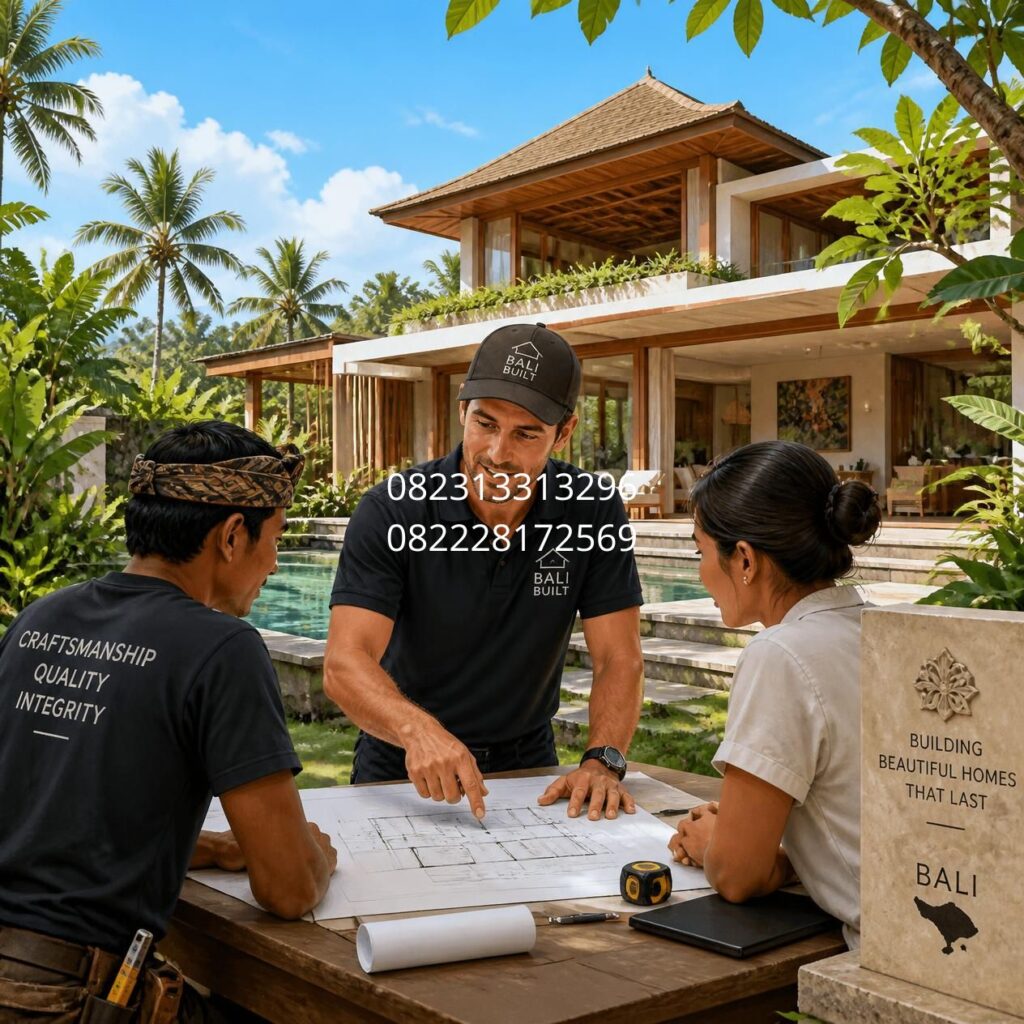
Contractors often use locally sourced materials to minimize environmental impact. For example, bamboo and reclaimed wood offer sustainable alternatives. Moreover, these materials blend well with Bali’s natural aesthetic.
Furthermore, non-toxic finishes improve indoor air quality. Consequently, residents enjoy a healthier living environment.
Timeline Expectations for Residential Projects
Understanding construction timelines helps homeowners plan effectively. Therefore, a residential contractor Bali provides realistic schedules based on project scope.
Pre-Construction Phase
First, the planning phase includes design development and approvals. This stage typically takes several weeks to months. However, complexity may extend the timeline.
Construction Phase
Next, the building process begins with site preparation. Then, workers complete structural, architectural, and finishing stages. Consequently, most residential projects take several months to complete.
Final Inspection and Handover
Finally, contractors conduct inspections before project completion. This step ensures all work meets agreed standards. Therefore, clients receive a ready-to-use property.
Budget Management Tips for Homeowners
Managing a construction budget requires discipline and planning. Therefore, homeowners should work closely with a residential contractor Bali.
Set Clear Priorities
First, define essential features before starting construction. Then, allocate funds based on priority levels. As a result, spending remains focused and controlled.
Monitor Expenses Regularly
Additionally, track expenses throughout the project. Regular monitoring prevents unexpected cost overruns. Therefore, homeowners maintain financial stability.
Allow Contingency Funds
Moreover, unexpected issues may arise during construction. Therefore, setting aside contingency funds provides financial flexibility. This approach reduces stress during the project.
Importance of Communication in Construction Projects
Clear communication supports successful project outcomes. Therefore, a residential contractor Bali must maintain consistent updates.
Regular Progress Updates
First, contractors should provide weekly or biweekly reports. These updates inform clients about progress and challenges. As a result, clients stay engaged in the process.
Transparent Decision-Making
Additionally, contractors must explain technical decisions clearly. Therefore, clients understand the reasoning behind each step. This transparency builds trust and confidence.
Custom Home vs Standard Build in Bali
Homeowners often choose between custom and standard designs. Each option offers distinct advantages.
Custom Home Projects
Custom homes allow complete design flexibility. First, homeowners define layouts and features based on personal preferences. Then, contractors adapt designs to site conditions.
Moreover, custom homes often include unique architectural elements. Therefore, they provide a personalized living experience.
Standard Build Options
Standard builds offer faster construction timelines. Contractors use predefined designs to simplify the process. As a result, projects require less planning time.
Additionally, standard builds often cost less than custom homes. Therefore, they suit budget-conscious homeowners.
Risk Management in Residential Construction
Every construction project involves potential risks. Therefore, a residential contractor Bali must implement risk management strategies.
Identifying Potential Risks
First, contractors analyze possible issues during planning. These risks may include weather delays or material shortages. Consequently, early identification improves preparedness.
Mitigation Strategies
Next, contractors develop solutions to minimize risks. For example, they schedule work around seasonal weather patterns. Moreover, they maintain supplier relationships to ensure material availability.
Technology in Modern Residential Construction
Technology improves efficiency and accuracy in construction projects. Therefore, many residential contractor Bali teams adopt modern tools.
Project Management Software
First, digital tools help track schedules and budgets. These platforms improve coordination among teams. As a result, projects stay on track.
3D Visualization and Modeling
Additionally, 3D models allow clients to visualize designs before construction. Therefore, adjustments can happen early. This process reduces costly changes later.
Maintenance Planning After Construction
A well-built home still requires regular maintenance. Therefore, homeowners should plan for long-term upkeep.
Routine Inspections
First, schedule periodic inspections to identify issues early. Then, address minor problems before they escalate. Consequently, maintenance costs remain manageable.
Preventive Maintenance
Additionally, cleaning and servicing systems improve durability. For example, maintaining roofing and drainage prevents water damage. Therefore, the home remains in good condition.
Selecting the Right Location for Your Home in Bali
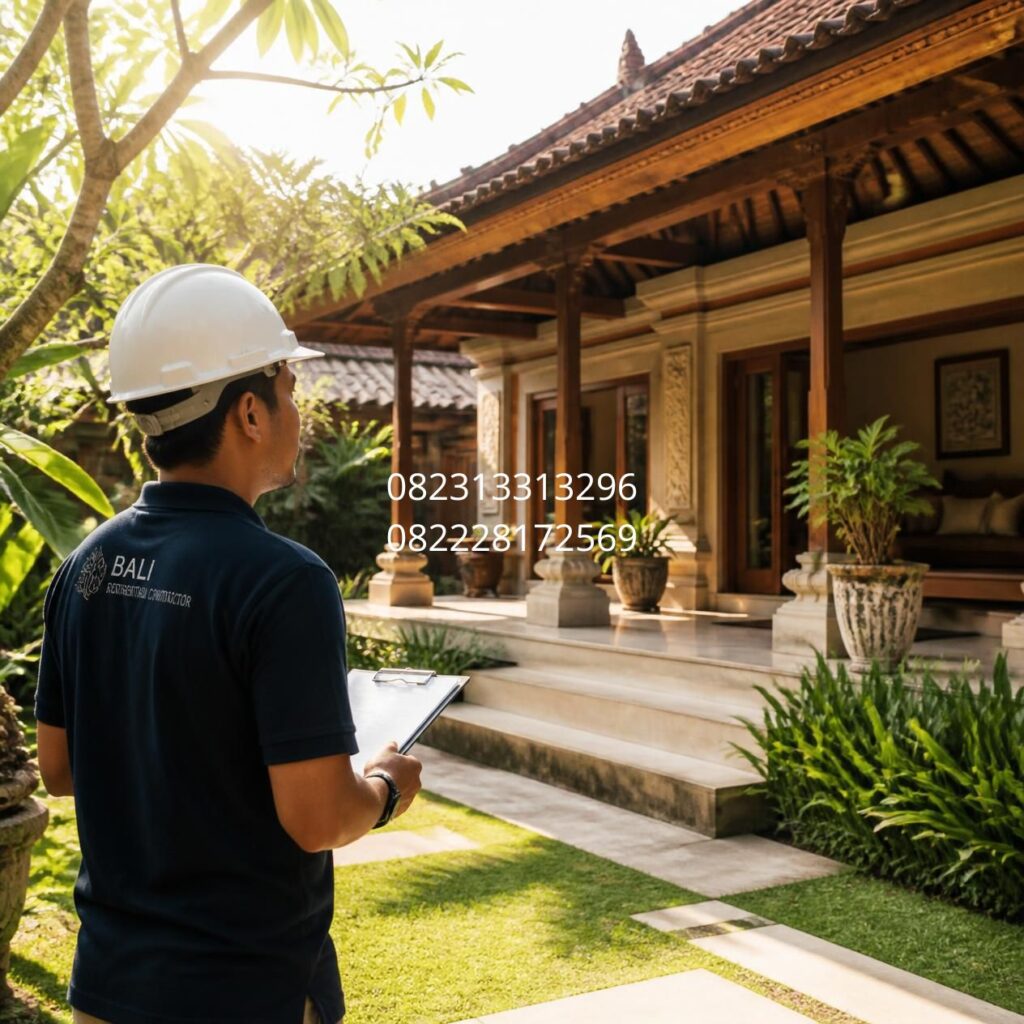
Choosing the right location shapes your entire residential experience. Therefore, a residential contractor Bali must consider context before starting any project. Moreover, each area in Bali offers different advantages and constraints.
Coastal Areas and Beachfront Living
First, coastal zones attract homeowners seeking ocean views and relaxed lifestyles. These areas often include Sanur, Canggu, and Uluwatu. However, salt air and humidity demand durable construction materials.
Additionally, contractors must design structures that resist corrosion. Therefore, proper material selection becomes essential for long-term durability.
Urban and Semi-Urban Residential Zones
Next, urban areas such as Denpasar offer convenient access to schools, hospitals, and offices. These zones support practical daily living. As a result, many families prefer these locations.
Moreover, semi-urban regions provide a balance between accessibility and tranquility. Therefore, these areas suit homeowners seeking both comfort and privacy.
Hillside and Jungle Locations
Hillside locations provide scenic views and cooler temperatures. However, these sites often require complex structural planning. Therefore, contractors must design strong foundations and drainage systems.
Additionally, natural surroundings influence design concepts. As a result, homes blend with the landscape while maintaining functionality.
Structural Systems Used in Bali Residential Construction
Different structural systems support various types of residential projects. Therefore, a residential contractor Bali selects systems based on site conditions and design requirements.
Reinforced Concrete Structures
Reinforced concrete remains the most common structural system in Bali. First, it offers strength and durability. Then, it performs well under tropical weather conditions.
Moreover, concrete structures resist moisture and pests effectively. Therefore, they provide long-term stability for residential buildings.
Steel Frame Construction
Steel structures offer flexibility and faster installation. First, contractors assemble prefabricated components on-site. Then, they complete finishing work efficiently.
Additionally, steel supports modern architectural designs. Therefore, it suits contemporary residential projects.
Hybrid Construction Systems
Some projects combine concrete and steel elements. This hybrid approach improves both strength and flexibility. As a result, contractors achieve optimized performance for complex designs.
Conclusion and Consultation Opportunity
Building a home in Bali requires careful planning and reliable execution. Therefore, choosing the right residential contractor Bali plays a crucial role. Moreover, a structured approach ensures efficiency and quality.
If you plan to build or renovate a home, consider starting with a consultation. This step helps clarify your needs and project scope. As a result, you can move forward with confidence and a clear strategy.