Custom Villa Builder Bali – arovabuild
Custom Villa Builder Bali – Custom villa development in Bali offers a strategic path to create a personalized property. Many investors and homeowners seek tailored solutions that match lifestyle and location. Therefore, a custom villa builder plays a crucial role from concept to completion.
Bali presents unique opportunities due to its tourism growth and cultural richness. However, the island also requires careful planning and contextual design. For this reason, a structured and professional approach ensures long term value.
Moreover, a custom villa reflects both functional needs and aesthetic identity. Each decision shapes the final outcome. Thus, early planning and expert guidance become essential.

Chat WhatsApp 1
Chat WhatsApp 2
Understanding the Role of a Custom Villa Builder in Bali
What Does a Custom Villa Builder Do
A custom villa builder manages the entire development process from start to finish. First, they analyze client needs and site conditions. Then, they coordinate design, engineering, and construction phases.
In addition, they ensure all elements align with the agreed concept. They also manage timelines and technical coordination. As a result, the project runs efficiently and consistently.
Why Custom Development Matters in Bali
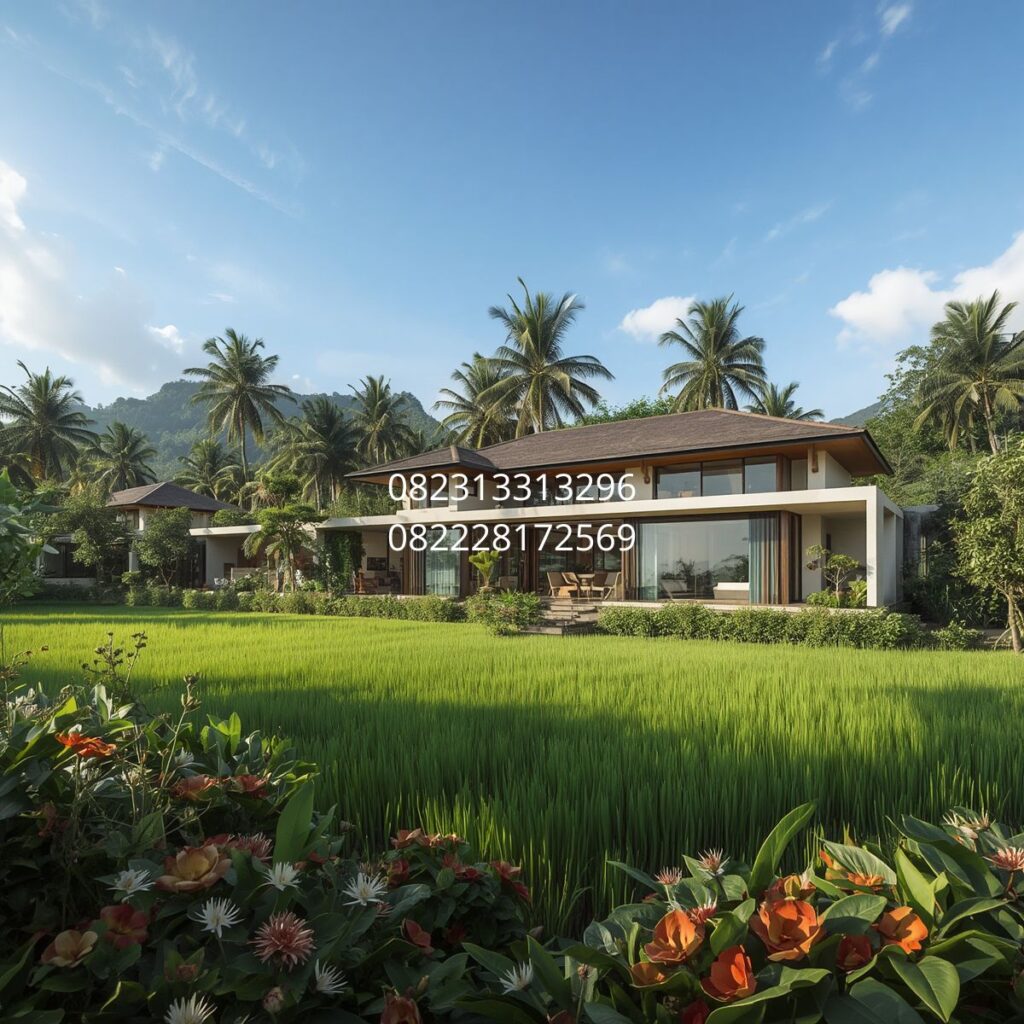
Custom Villa Builder Bali – Bali has diverse landscapes, including coastal zones, rice fields, and hillside areas. Each location demands a different design response. Therefore, standard solutions rarely deliver optimal results.
Custom development allows adaptation to climate, terrain, and local regulations. Furthermore, it improves comfort and sustainability. Consequently, the villa performs better over time.
Key Considerations Before Building a Villa in Bali
Site Analysis and Land Characteristics
Every successful project starts with a detailed site analysis. Builders evaluate soil condition, contour, and access. They also study surrounding context and environmental factors.
Additionally, orientation plays a critical role in tropical design. Proper positioning improves natural lighting and airflow. Thus, it reduces reliance on artificial systems.
BACA JUGA : http://arovabuild
Legal and Regulatory Awareness
Custom Villa Builder Bali – Building in Bali requires compliance with local regulations. Therefore, understanding zoning and building permits becomes essential. Builders assist in aligning the project with applicable rules.
Moreover, regulations may vary across regions. Early clarification prevents delays and complications. As a result, the project progresses smoothly.
Budget Planning and Cost Control
Budget planning defines the scope and quality of the project. Builders help estimate costs based on design and materials. They also identify potential cost risks early.
Furthermore, phased planning improves financial control. It allows adjustments without disrupting the project. Consequently, the investment remains efficient.
Design Approach for Custom Villas in Bali
Balancing Aesthetics and Functionality
Custom Villa Builder Bali – A well designed villa combines visual appeal with practical use. Designers focus on layout efficiency and spatial flow. At the same time, they maintain a strong design identity.
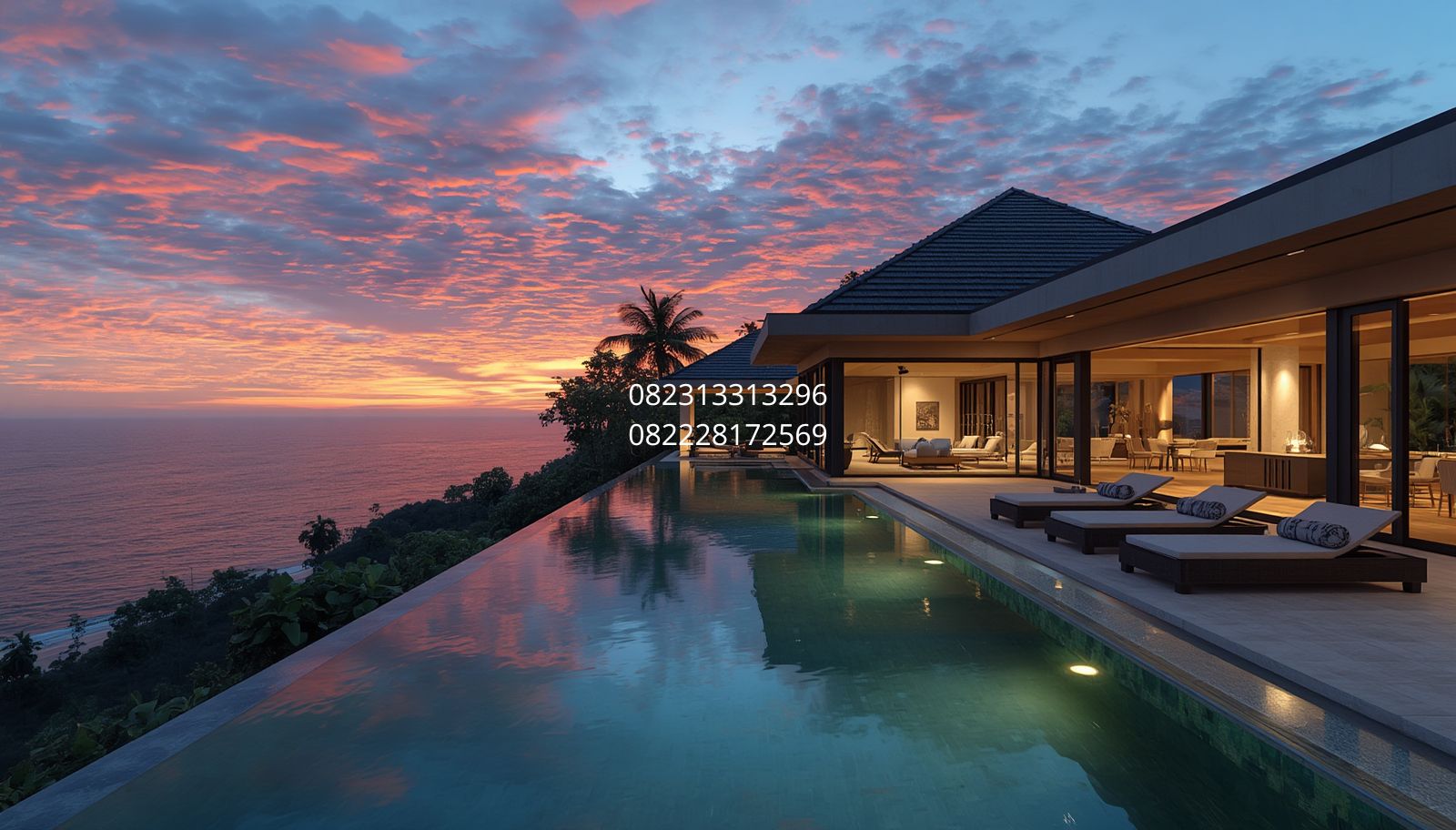
Additionally, open space concepts enhance the tropical living experience. Natural ventilation and seamless indoor outdoor transitions create comfort. Therefore, the design supports both lifestyle and climate.
Integrating Local Architectural Elements
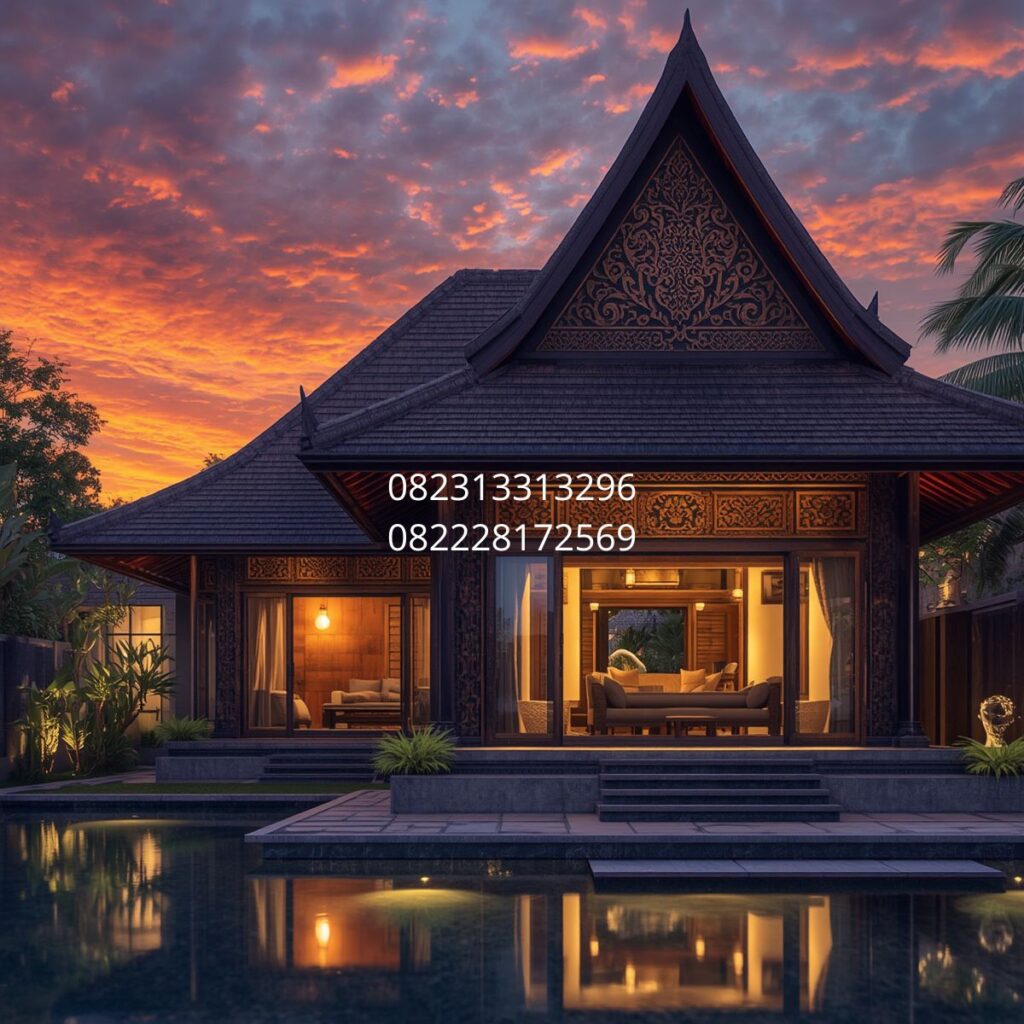
Bali has a rich architectural heritage that influences modern design. Builders often integrate traditional elements into contemporary concepts. This approach creates a unique and contextual identity.
Moreover, local materials and craftsmanship add authenticity. They also support the local economy. As a result, the villa gains cultural and aesthetic value.
Sustainable and Climate Responsive Design
Sustainability plays an important role in modern villa development. Designers use passive cooling strategies to reduce energy use. They also incorporate natural shading and cross ventilation.
In addition, water management systems improve efficiency. These include rainwater harvesting and proper drainage planning. Therefore, the villa becomes more environmentally responsible.
Construction Process of a Custom Villa
Initial Consultation and Concept Development
Custom Villa Builder Bali – The process begins with a detailed consultation. Builders gather information about needs, preferences, and budget. Then, they translate these inputs into a concept design.
Next, the design evolves through revisions and technical refinement. This stage ensures clarity before construction begins. Consequently, risks decrease significantly.
Design Development and Technical Drawings
After concept approval, the team develops detailed drawings. These include architectural, structural, and mechanical plans. Each drawing guides the construction phase.
Furthermore, precise documentation prevents misinterpretation. It also improves coordination among teams. As a result, execution becomes more accurate.
Construction Execution and Supervision
During construction, the builder manages all on site activities. They coordinate labor, materials, and schedules. They also monitor quality and progress regularly.
Additionally, supervision ensures compliance with design specifications. Any issues receive immediate attention. Therefore, the project stays on track.
Final Handover and Quality Assurance
Before completion, the builder conducts a thorough inspection. They check structural integrity and finishing quality. They also ensure all systems function properly.
After that, the project moves to handover. Clients receive a ready to use property. Consequently, the process concludes with clarity and satisfaction.
Material Selection for Villas in Bali
Choosing Durable Materials for Tropical Climate
Bali has high humidity and strong sunlight. Therefore, materials must withstand these conditions. Builders select options that resist moisture and heat.
For example, natural stone and treated wood perform well in tropical environments. They also enhance visual appeal. As a result, durability and aesthetics align.
Balancing Cost and Quality
Material selection must consider both budget and performance. Builders recommend options that meet functional requirements. They also suggest alternatives when necessary.
Moreover, long term maintenance costs should guide decisions. Cheaper materials may increase future expenses. Therefore, careful selection ensures better value.
Common Challenges in Villa Development
Managing Environmental Conditions
Weather conditions can affect construction timelines. Rainfall may delay certain activities. Builders plan schedules to minimize disruptions.
Additionally, site access can present logistical challenges. Proper planning ensures smooth material delivery. As a result, progress remains consistent.
Coordination Between Teams
Villa projects involve multiple disciplines. Architects, engineers, and contractors must collaborate effectively. Builders act as the central coordinator.
Clear communication prevents misunderstandings. It also improves efficiency across all stages. Therefore, teamwork becomes a key success factor.
Maintaining Design Consistency
Execution must follow the original design intent. However, site conditions may require adjustments. Builders balance flexibility with consistency.
They ensure changes do not compromise overall quality. Consequently, the final result reflects the intended vision.
Benefits of Working with a Professional Builder
Structured Project Management
Professional builders apply systematic project management methods. They plan each phase carefully and monitor progress. This approach reduces uncertainty.
Moreover, structured workflows improve efficiency. They also ensure accountability. As a result, projects achieve better outcomes.
Technical Expertise and Problem Solving
Builders bring technical knowledge to every stage. They identify potential issues early and propose solutions. This proactive approach prevents major setbacks.
Additionally, experience helps them handle unexpected conditions. Therefore, projects continue without major disruptions.
Long Term Value and Investment Security
A well built villa maintains its value over time. Quality construction reduces maintenance costs. It also enhances resale potential.
Furthermore, a strategic design attracts long term users or tenants. Therefore, the property becomes a stable investment.
Tips for Choosing the Right Custom Villa Builder
Evaluate Portfolio and Experience
Review past projects to understand the builder’s capabilities. Look for consistency in quality and design execution. This step provides valuable insight.
Additionally, experience in Bali adds significant advantage. Local knowledge improves decision making. Therefore, it supports smoother project delivery.
Assess Communication and Transparency
Effective communication ensures clarity throughout the project. Builders should provide regular updates and clear explanations. This practice builds trust.
Transparency in budgeting and timelines also matters. It prevents misunderstandings. As a result, collaboration becomes more productive.
Understand the Working Process
Each builder follows a specific workflow. Understanding this process helps align expectations. It also ensures compatibility with your project goals.
Moreover, a clear process improves efficiency. It guides each stage systematically. Therefore, the project remains organized.
Future Trends in Bali Villa Development
Smart Home Integration
Technology plays an increasing role in villa design. Smart systems improve convenience and security. They also enhance energy efficiency.
Moreover, automation supports modern lifestyles. Therefore, many projects integrate these features.
Eco Friendly Construction Practices
Sustainable practices continue to gain importance. Builders use renewable materials and energy efficient systems. This trend aligns with global standards.
Additionally, eco friendly villas attract conscious buyers. Therefore, sustainability becomes a competitive advantage.
Minimalist Tropical Design
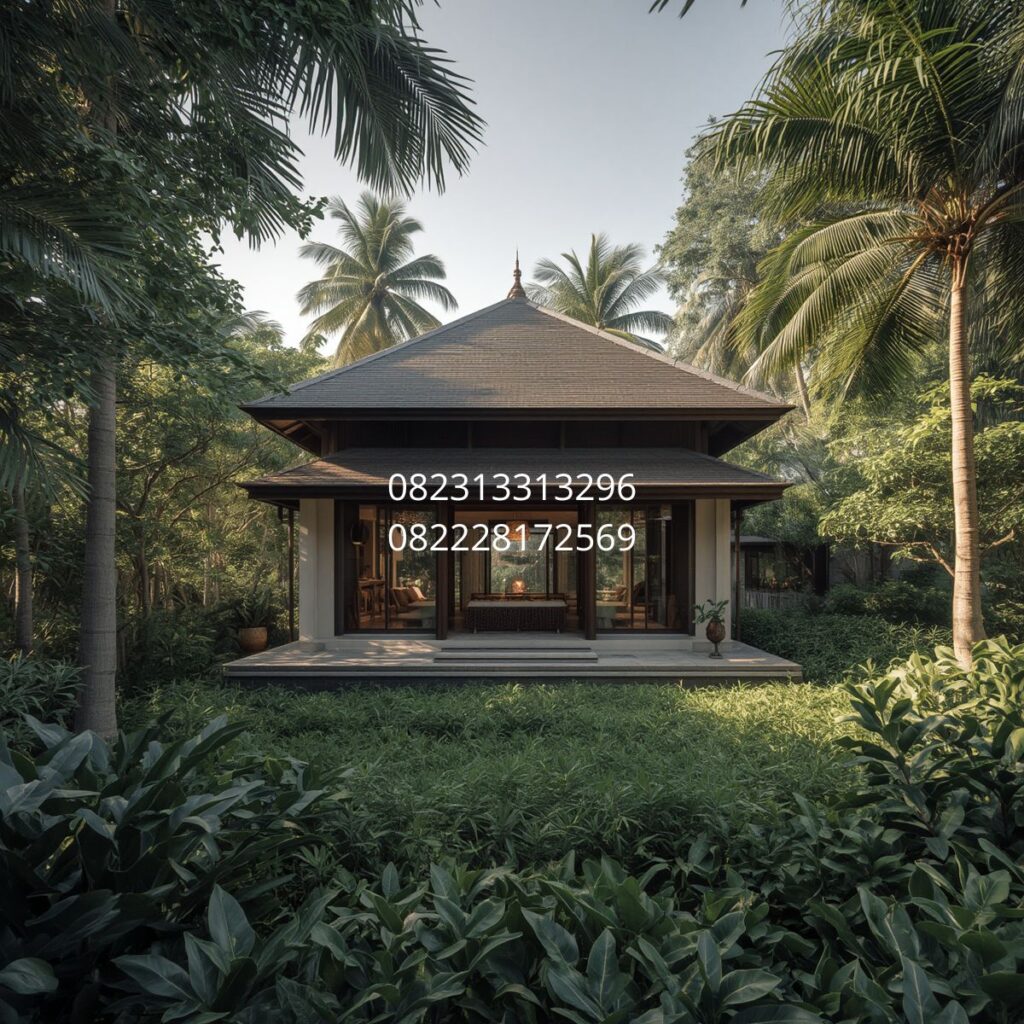
Minimalist design with tropical elements remains popular. It focuses on simplicity and openness. This approach enhances comfort and aesthetics.
Furthermore, it reduces construction complexity. As a result, it offers practical benefits.
Cost Structure of Custom Villa Builder Bali Projects
Key Components of Construction Cost
Understanding cost structure helps you plan a realistic project. First, land preparation and site work require early allocation. Then, structural construction forms the largest portion of the budget.
Additionally, architectural finishes influence overall cost significantly. High quality finishes increase aesthetic value but require careful selection. Therefore, balancing design and budget becomes essential.
Mechanical and electrical systems also require attention. These systems support daily functionality and comfort. As a result, proper planning ensures long term performance.
Soft Costs and Professional Fees
Soft costs include design, permits, and consultant fees. These costs may seem smaller but remain essential. They support planning accuracy and compliance.
Moreover, project management fees ensure smooth coordination. Builders use structured systems to manage timelines and resources. Consequently, projects avoid costly delays.
Contingency Planning for Budget Stability
Every project requires contingency allocation. Unexpected conditions may arise during construction. Therefore, reserving a buffer protects financial stability.
Typically, a contingency of five to ten percent works effectively. This approach allows flexibility without major disruption. As a result, the project remains controlled.
Timeline Planning for Custom Villa Development
Typical Project Duration in Bali
A custom villa project in Bali usually spans several months. Design development may take two to four months. Construction may take eight to twelve months depending on complexity.
However, each project differs based on scope and location. Therefore, timeline planning must remain flexible. Builders adjust schedules based on real conditions.

Factors That Influence Project Timeline
Several factors affect construction duration. Weather conditions often impact site work. Additionally, material availability may influence progress.
Labor coordination also plays an important role. Efficient teams accelerate execution. Therefore, strong management ensures better timeline control.
Strategies to Maintain Project Schedule
Clear planning helps maintain schedule consistency. Builders create detailed timelines for each phase. They also monitor progress regularly.
Moreover, early procurement reduces delays. Ordering materials in advance ensures availability. As a result, construction flows smoothly.
Quality Control in Villa Construction
Importance of Quality Assurance Systems
Quality control ensures that construction meets design standards. Builders implement systematic inspections at each stage. This approach prevents defects.
Additionally, consistent monitoring improves workmanship. It also ensures material compliance. Therefore, the final result meets expectations.
Site Supervision and Reporting
Regular supervision maintains project quality. Supervisors check daily progress and workmanship. They also document activities for transparency.
Furthermore, reporting helps track performance. Clients receive updates on key milestones. As a result, communication remains clear.
Testing and Final Inspection
Before completion, builders conduct thorough testing. They verify electrical systems, plumbing, and structural elements. Each system must function properly.
After testing, final inspection confirms readiness. Builders address any remaining issues. Consequently, the villa becomes fully operational.
Risk Management in Custom Villa Projects
Identifying Potential Risks Early
Risk identification begins during planning. Builders analyze site conditions and technical challenges. This step helps anticipate problems.
Additionally, financial and regulatory risks require attention. Early awareness allows preventive action. Therefore, projects avoid major disruptions.
Mitigation Strategies for Construction Risks
Builders develop strategies to manage identified risks. They adjust design or methods when necessary. This flexibility improves resilience.
Moreover, backup plans support continuity. Alternative solutions ensure progress continues. As a result, risks remain manageable.
Importance of Communication in Risk Control
Clear communication reduces misunderstandings. Builders coordinate closely with all stakeholders. This approach ensures alignment.
Additionally, timely updates prevent escalation. Problems receive immediate attention. Therefore, project stability improves.
Post Construction Considerations
Maintenance Planning for Long Term Performance
Maintenance planning begins before project completion. Builders provide guidance on upkeep routines. This step preserves quality.
Regular maintenance prevents deterioration. It also extends the lifespan of materials. Therefore, the villa remains in good condition.
Property Management Opportunities
Many villa owners consider property management after completion. This option supports rental operations. It also ensures proper maintenance.
Additionally, professional management improves occupancy rates. It enhances overall investment performance. As a result, the villa generates consistent returns.
Future Renovation and Expansion
A well planned villa allows future adjustments. Builders consider flexibility during design. This approach supports long term needs.
Moreover, expansion becomes easier with proper planning. Structural provisions enable modifications. Therefore, the property adapts over time.
Regional Insights for Building Villas in Bali
Coastal Areas and Beachfront Development
Coastal areas attract high demand due to scenic value. However, these locations require careful planning. Salt exposure affects material durability.
Therefore, builders select corrosion resistant materials. They also design protective systems. As a result, structures remain durable.
Ubud and Green Landscape Development
Ubud offers a different environment with lush landscapes. Projects often focus on harmony with nature. Builders emphasize natural integration.
Additionally, terrain may vary significantly. Proper structural planning becomes essential. Therefore, site analysis plays a critical role.
Urban Areas and Investment Zones
Urban areas such as Canggu and Seminyak attract investors. These zones offer strong rental potential. However, density requires efficient design.
Builders maximize land use through smart layouts. They also consider accessibility and infrastructure. As a result, villas remain competitive.
Collaboration with a Professional Team
Integrated Design and Build Approach
An integrated approach improves efficiency. Design and construction teams work closely together. This method reduces miscommunication.
Additionally, coordination becomes faster and more accurate. Decisions align with project goals. Therefore, outcomes improve significantly.
Role of Technical Consultants
Consultants provide specialized expertise. Structural and mechanical engineers support design accuracy. Their input ensures safety and performance.
Moreover, collaboration enhances overall quality. Each expert contributes to the project. As a result, the villa meets high standards.
Value of Experience and Local Knowledge
Experience in Bali provides a strong advantage. Builders understand local conditions and regulations. This knowledge improves decision making.
Additionally, local networks support smoother execution. Access to resources becomes easier. Therefore, projects progress efficiently.
Conclusion
Custom villa development in Bali requires careful planning and professional execution. Each stage influences the final result. Therefore, a structured approach ensures success.
From site analysis to construction, every decision matters. Builders help navigate technical and practical challenges. Consequently, the project achieves optimal outcomes.
If you plan to build a villa in Bali, consider starting with a consultation. A clear discussion helps define direction and priorities. This step provides valuable insight before making major decisions.