Villa Development Bali – arovabuild
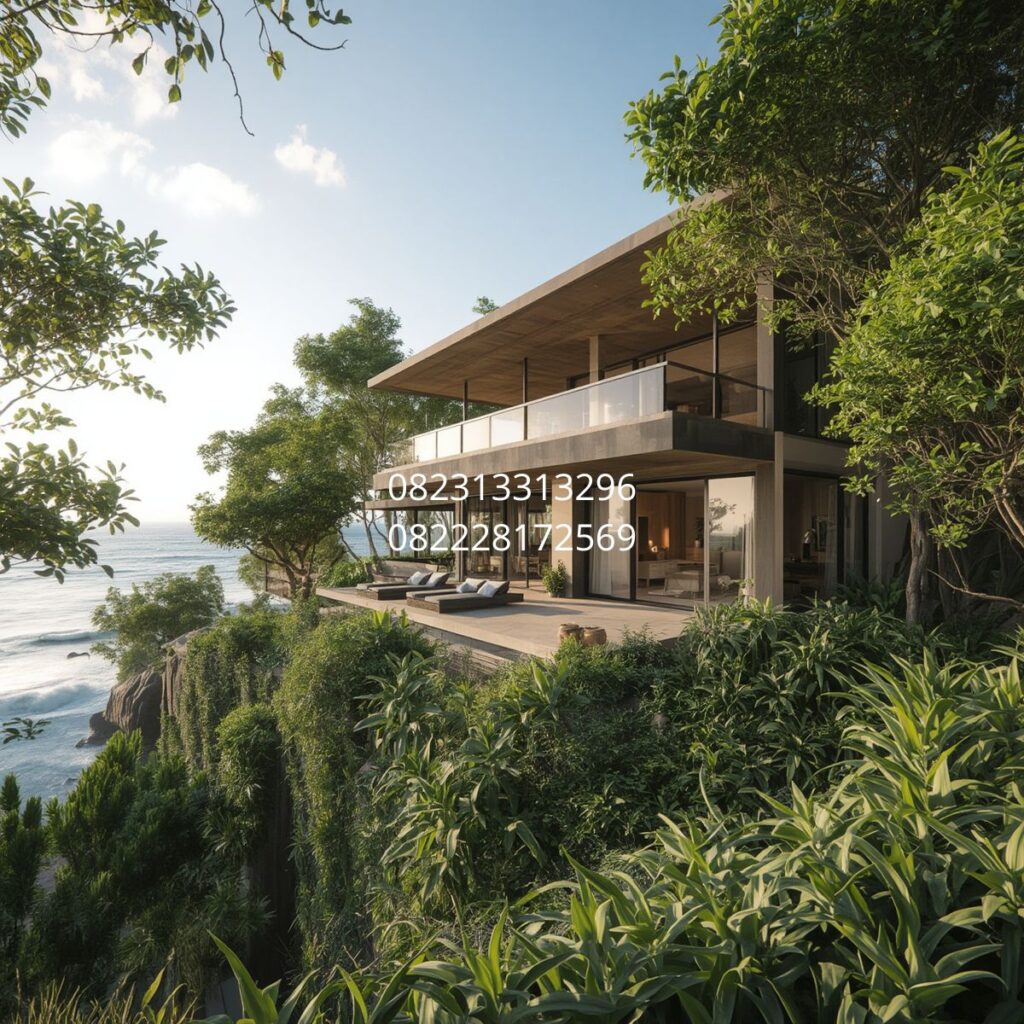
Villa development in Bali attracts investors, homeowners, and developers from many regions. The island offers strong tourism demand and unique cultural value. Therefore, many people consider building villas as a long term investment.
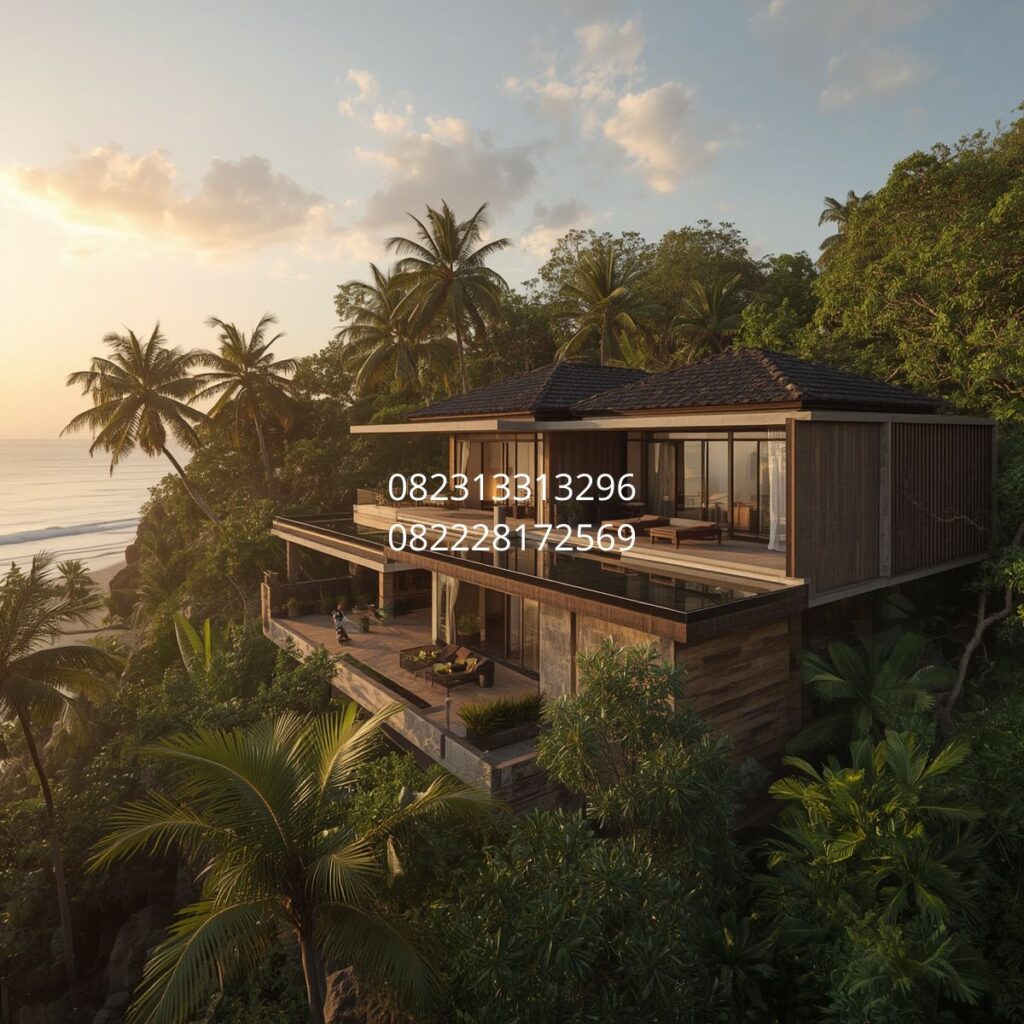
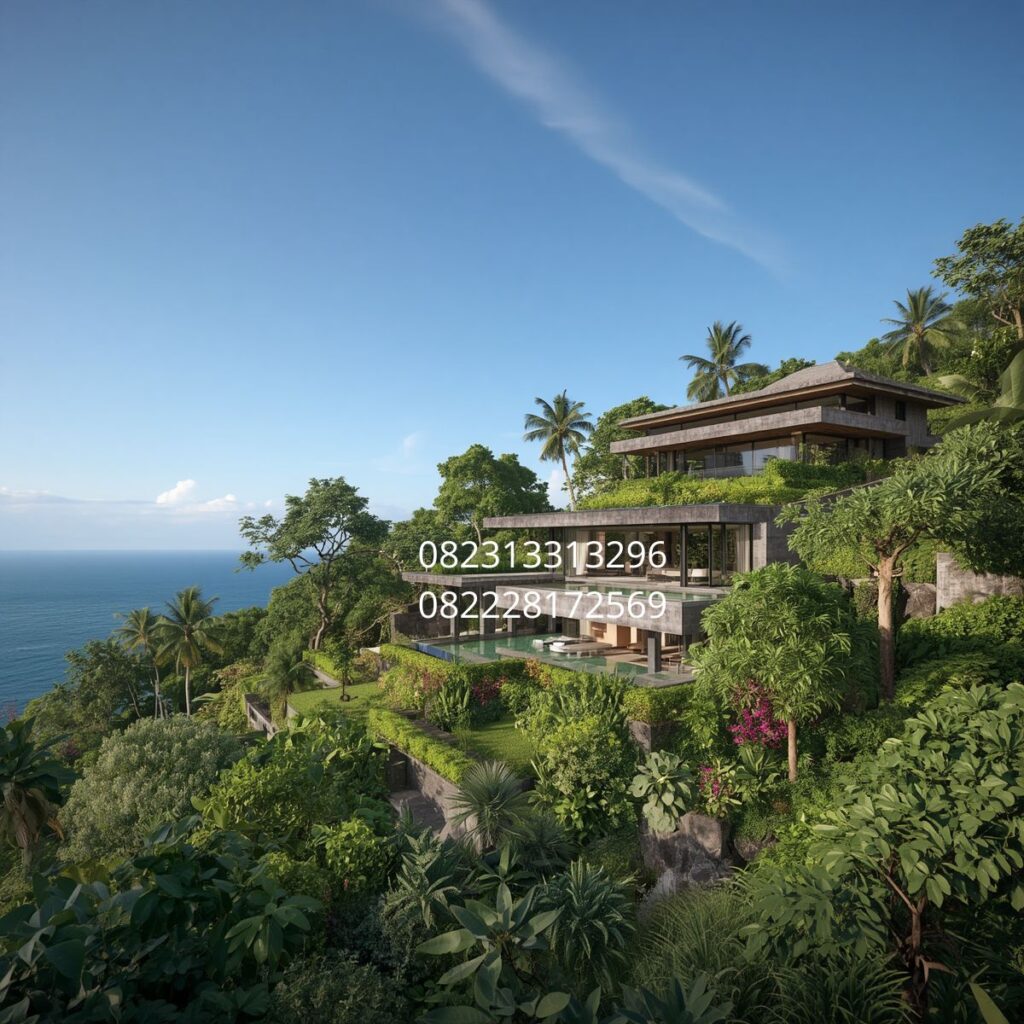
Moreover, Bali provides diverse landscapes that support various villa concepts. Coastal areas offer ocean views, while inland regions present natural greenery. As a result, developers can create projects that match different market segments.
In addition, villa development requires careful planning and structured execution. Each stage demands attention to detail and clear coordination. Therefore, understanding the process helps ensure a smooth project outcome.

Chat WhatsApp 1
Chat WhatsApp 2
Understanding Villa Development Services in Bali
Villa development services cover planning, design, construction, and project management. Each phase contributes to the final result. Therefore, an integrated approach improves efficiency and quality.
Furthermore, professionals usually guide clients through regulatory requirements. They also assist with technical decisions. As a result, clients can focus on their goals while the team manages execution.
Scope of Villa Construction Services
Villa construction includes land preparation, structural work, and finishing. Each step requires precise coordination. Therefore, teams must follow clear workflows.
In addition, services often include architectural design and interior planning. These elements shape the overall experience of the villa. As a result, thoughtful design enhances property value.
Benefits of Structured Development Approach
A structured approach improves timeline control and cost efficiency. Teams can anticipate challenges earlier. Therefore, projects can avoid major delays.
Moreover, systematic planning ensures consistent quality across all stages. Each task follows defined standards. As a result, the final building meets expectations.
BACA JUGA : http://arovabuild
Planning a Villa Project in Bali
Planning forms the foundation of successful villa development. Every decision at this stage influences the outcome. Therefore, early preparation becomes essential.
Additionally, planning includes budget allocation, design direction, and timeline setting. These elements guide the entire project. As a result, clear planning reduces uncertainty.
Site Analysis and Land Selection
Site analysis evaluates land conditions, access, and surroundings. Each factor affects construction feasibility. Therefore, thorough assessment becomes necessary.
Furthermore, land selection should match the intended villa concept. A luxury villa requires different surroundings compared to a rental unit. As a result, location must align with goals.
Budget Planning and Cost Estimation
Budget planning determines financial feasibility. Developers must calculate construction costs, materials, and labor. Therefore, accurate estimation prevents overspending.
In addition, contingency funds help manage unexpected changes. Costs may fluctuate during construction. As a result, financial preparation supports project stability.
Design Process for Villa Development
Design defines the identity and functionality of the villa. A well designed villa balances aesthetics and practicality. Therefore, collaboration between client and designer becomes important.
Moreover, design decisions affect construction methods and materials. Each element must align with technical requirements. As a result, early coordination improves efficiency.
Architectural Concept Development
Architectural concepts shape the overall layout and style. Designers consider climate, orientation, and user needs. Therefore, each design responds to its environment.
Additionally, open spaces and natural ventilation often enhance comfort. These features suit tropical conditions. As a result, villas become more livable.
Interior and Landscape Integration
Interior design defines the atmosphere within the villa. Furniture layout and material choices influence comfort. Therefore, careful planning creates cohesive spaces.
Meanwhile, landscape design connects the villa with its surroundings. Gardens and outdoor areas add value. As a result, the property feels more complete.
Construction Process in Villa Development Bali
Construction transforms plans into physical structures. Each stage requires skilled execution. Therefore, coordination between teams becomes essential.
Furthermore, construction follows a sequence that ensures stability and efficiency. Each phase builds upon the previous one. As a result, proper scheduling supports progress.
Structural Work and Foundation
Structural work begins with foundation preparation. Engineers assess soil conditions before construction. Therefore, the foundation supports long term durability.
In addition, structural elements include columns, beams, and slabs. These components form the building framework. As a result, strength and safety remain priorities.
Finishing and Installation Work
Finishing work includes flooring, painting, and fixtures. These details define the visual appeal. Therefore, quality control becomes important at this stage.
Moreover, installation covers electrical and plumbing systems. Each system must function properly. As a result, testing ensures reliability.

Legal and Regulatory Considerations
Villa development in Bali requires compliance with local regulations. Developers must follow zoning rules and permit requirements. Therefore, legal understanding becomes crucial.
Additionally, obtaining permits ensures project legitimacy. Authorities review plans before approval. As a result, proper documentation prevents future issues.
Building Permits and Compliance
Building permits authorize construction activities. Developers must submit detailed plans. Therefore, accurate documentation supports approval.
Moreover, compliance includes environmental considerations. Projects must respect local guidelines. As a result, sustainable practices gain importance.
Ownership and Land Regulations
Land ownership rules differ for local and foreign investors. Developers must understand legal frameworks. Therefore, proper consultation helps avoid complications.
In addition, contracts should clearly define rights and responsibilities. Transparency supports trust. As a result, projects run more smoothly.
Risk Management in Villa Development
Every construction project involves potential risks. Identifying risks early helps reduce impact. Therefore, risk management becomes essential.
Furthermore, risks may arise from technical, financial, or environmental factors. Each risk requires a specific strategy. As a result, preparation improves resilience.
Technical Risks and Site Challenges
Soil instability may affect structural integrity. Engineers must address these conditions carefully. Therefore, site testing becomes necessary.
Additionally, weather conditions may disrupt schedules. Rain can delay construction work. As a result, teams should prepare alternative plans.
Financial Risks and Budget Control
Material price fluctuations can increase costs. Developers must monitor market changes. Therefore, flexible budgeting becomes important.
Moreover, design changes may add expenses. Clear communication helps minimize revisions. As a result, cost control remains effective.
Quality Control in Villa Construction
Quality control ensures that construction meets required standards. Each stage requires inspection. Therefore, consistent monitoring becomes necessary.
Additionally, quality assurance improves durability and safety. A well built villa lasts longer. As a result, investment value increases.
Material Inspection and Standards
Teams must inspect materials before use. Quality materials support strong construction. Therefore, verification prevents defects.
Furthermore, suppliers should meet specified standards. Reliable sourcing ensures consistency. As a result, construction quality improves.
Final Testing and Handover
Before completion, teams test all systems. Electrical and plumbing systems require inspection. Therefore, functionality must be confirmed.
In addition, final checks ensure readiness for use. The property must meet safety standards. As a result, owners receive a reliable building.
Post Construction Villa Management
After construction, villa management becomes important. Proper management maintains property value. Therefore, owners should plan operational strategies.
Moreover, maintenance and tenant management influence long term performance. Each aspect contributes to sustainability. As a result, structured management enhances returns.
Maintenance and Upkeep
Regular maintenance prevents damage and wear. Teams should inspect systems periodically. Therefore, early repairs reduce major costs.
Additionally, cleaning and landscaping maintain appearance. A well maintained villa attracts more interest. As a result, occupancy rates improve.
Rental and Guest Management
If owners rent the villa, guest management becomes essential. Good service improves satisfaction. Therefore, positive experiences lead to repeat visits.
Furthermore, efficient booking systems simplify operations. Owners can track occupancy easily. As a result, income management becomes more effective.
Timeline Planning in Villa Development Bali
A clear timeline helps organize every stage of villa development. Each phase requires proper scheduling and coordination. Therefore, timeline planning supports project efficiency.
Moreover, a structured schedule helps teams track progress consistently. Each milestone reflects completed work. As a result, developers can evaluate performance accurately.
Pre Construction Timeline
The pre construction phase includes planning and preparation. Teams conduct site surveys and finalize designs. Therefore, this stage sets the foundation for execution.
In addition, permit processing may require specific time allocation. Authorities review submitted documents carefully. As a result, early submission helps avoid delays.
Construction Phase Scheduling
Construction scheduling divides work into structured sequences. Teams follow daily and weekly targets. Therefore, organized execution improves productivity.
Furthermore, coordination between workers ensures smooth transitions between tasks. Each team completes responsibilities on time. As a result, delays become easier to control.
Post Construction Timeline
Post construction includes inspection and handover processes. Teams verify quality and functionality. Therefore, this stage ensures readiness for use.
Additionally, final adjustments may occur before completion. Minor corrections improve overall quality. As a result, the project meets expected standards.
Sustainable Approach in Villa Development
Sustainability becomes increasingly important in villa development. Developers consider environmental impact and resource efficiency. Therefore, sustainable strategies improve long term value.
Moreover, eco friendly practices enhance comfort and reduce operational costs. Energy efficiency supports daily usage. As a result, sustainability benefits both owners and users.
Energy Efficient Design Strategies
Designers often include natural lighting and ventilation. These features reduce energy consumption. Therefore, villas become more efficient.
In addition, proper orientation minimizes heat exposure. Shading elements also improve comfort. As a result, indoor environments feel more balanced.
Water Management and Resource Use
Water management systems support efficient usage. Rainwater collection can supplement daily needs. Therefore, resource planning becomes more effective.
Furthermore, efficient plumbing reduces waste. Proper installation ensures long term performance. As a result, operational costs decrease over time.
Choosing the Right Construction Team
Selecting the right team influences project success. Skilled professionals bring experience and technical knowledge. Therefore, careful selection becomes essential.
Moreover, collaboration between client and team improves communication. Clear expectations support better results. As a result, the project runs more smoothly.
Evaluating Experience and Capability
Developers should review previous projects carefully. Experience indicates reliability and expertise. Therefore, past work helps assess capability.
In addition, technical skills determine construction quality. Teams must understand local conditions. As a result, expertise supports effective execution.
Communication and Project Coordination
Effective communication ensures alignment between all parties. Teams must share updates regularly. Therefore, transparency improves collaboration.
Furthermore, coordination helps resolve issues quickly. Each problem requires immediate attention. As a result, delays can be minimized.
Cost Efficiency Strategies in Villa Development
Cost efficiency requires smart planning and decision making. Developers must balance quality and budget. Therefore, strategic choices improve outcomes.
Moreover, efficient resource management reduces unnecessary expenses. Each decision impacts overall cost. As a result, careful planning becomes essential.
Material Selection and Optimization
Material selection affects both cost and durability. Developers should choose materials based on function. Therefore, practical decisions improve efficiency.
In addition, bulk purchasing may reduce expenses. Suppliers often provide better pricing. As a result, cost savings become achievable.
Minimizing Waste During Construction
Construction waste can increase costs significantly. Teams must manage materials carefully. Therefore, planning reduces unnecessary waste.
Furthermore, efficient usage improves sustainability. Each resource should serve a purpose. As a result, projects become more environmentally responsible.
Market Trends in Villa Development Bali
Market trends influence design and investment decisions. Developers must understand current preferences. Therefore, awareness supports competitiveness.
Moreover, trends often reflect lifestyle changes and travel patterns. Demand shifts over time. As a result, adaptability becomes important.
Demand for Private and Luxury Villas
Many visitors prefer private accommodations with exclusive features. Villas offer privacy and comfort. Therefore, demand continues to grow.
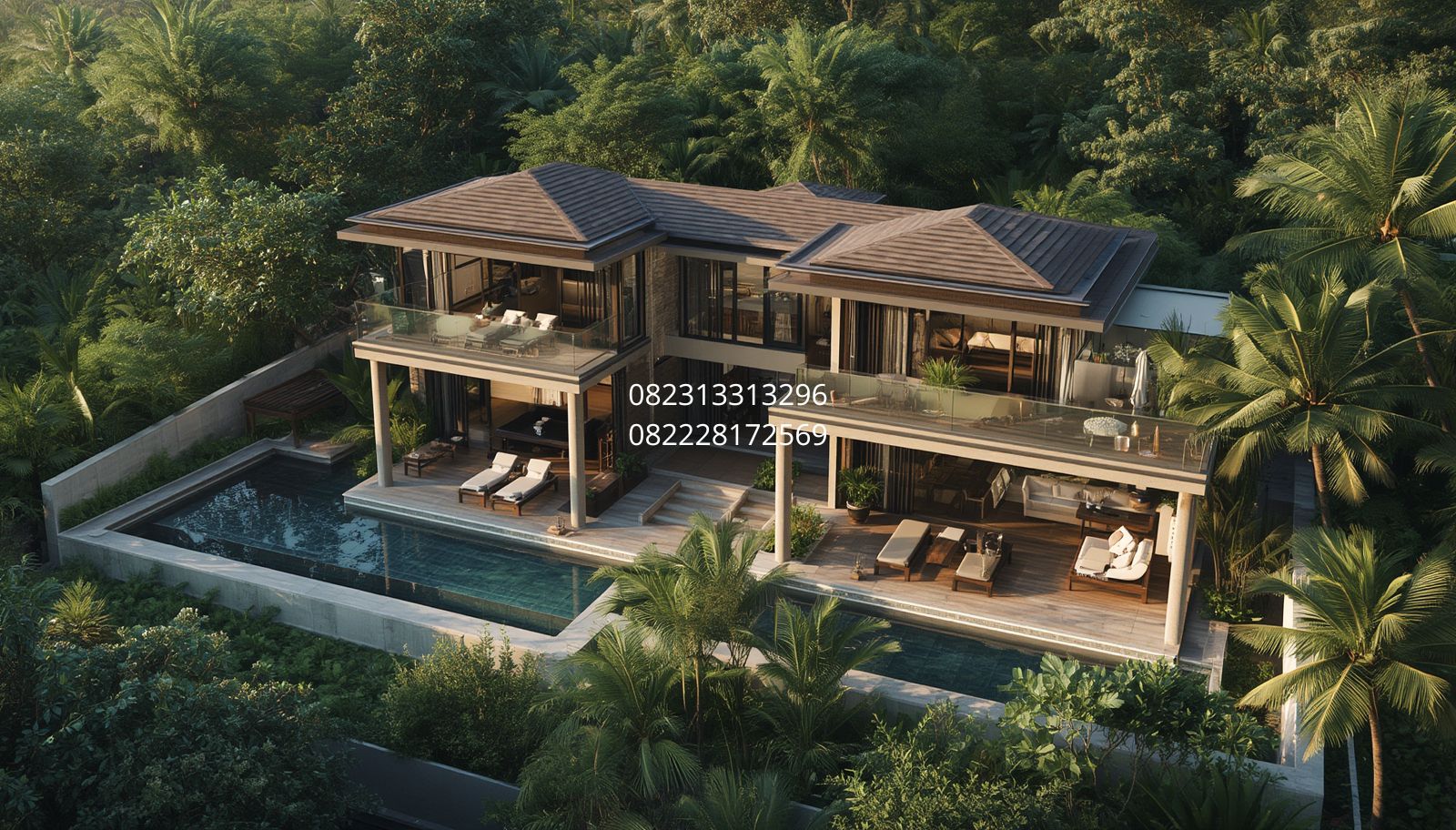
In addition, luxury amenities increase attractiveness. Pools and outdoor spaces enhance experience. As a result, high quality villas gain attention.
Integration of Modern and Local Design
Developers often combine modern elements with local character. This approach creates unique properties. Therefore, design becomes more distinctive.
Furthermore, cultural integration adds value to the experience. Guests appreciate authentic environments. As a result, villas stand out in the market.
Long Term Value of Villa Investment
Villa development offers potential long term benefits. Property value may increase over time. Therefore, strategic planning supports investment growth.
Moreover, rental income provides additional returns. Well managed villas generate consistent revenue. As a result, investment becomes more attractive.
Property Appreciation Factors
Location strongly influences property value. Strategic areas tend to appreciate faster. Therefore, site selection becomes critical.
In addition, construction quality affects longevity. Durable buildings maintain value. As a result, quality investment delivers better returns.
Revenue Generation Opportunities
Rental income depends on occupancy and pricing strategy. Developers must analyze market demand. Therefore, pricing should remain competitive.
Furthermore, marketing efforts influence visibility. Effective promotion attracts more guests. As a result, revenue potential increases.
Technical Considerations in Villa Development Bali
Technical planning plays a critical role in villa development. Each decision affects durability and safety. Therefore, developers must evaluate technical aspects carefully.
Moreover, technical accuracy ensures that construction meets required standards. Every component must function properly. As a result, the building performs well over time.
Structural Engineering and Stability
Engineers design structures based on load calculations and site conditions. Each element supports overall stability. Therefore, precise engineering prevents structural issues.
In addition, foundation design depends on soil characteristics. Engineers must adapt solutions accordingly. As a result, the structure remains secure.
Mechanical and Electrical Systems
Mechanical and electrical systems support daily operations. These systems include lighting, water supply, and drainage. Therefore, proper installation becomes essential.
Furthermore, system layout must follow safety guidelines. Technicians ensure correct connections. As a result, the villa operates efficiently.
Conclusion Villa Development Bali
Villa development in Bali requires careful planning and execution. Each stage influences the final outcome. Therefore, a structured approach ensures better results.
Moreover, understanding technical, legal, and financial aspects helps reduce risks. Developers can make informed decisions. As a result, projects achieve long term success.
In addition, collaboration with experienced professionals supports smooth execution. Expertise improves efficiency and quality. Therefore, guidance becomes valuable.
As a practical step, you can start with a detailed consultation. This discussion helps clarify project goals and site conditions. Moreover, it provides insight into realistic solutions for your villa development plan.